The Apothecary / Reproductive health
Enlarged prostate
19 remedies
See a doctor if
Blood in urine, inability to pass urine, or bone pain.
Reference, not prescription. Nothing here is medical advice. Herbs can interact with medicines and be dangerous in pregnancy; tell your doctor or pharmacist about anything you take.
Moderate evidence
ModerateSeveral trials, mostly positive, or an EMA ‘well-established use’ monograph.
Limited evidence
LimitedSmall or few trials, mixed results, or mainly lab and animal work.
Amur cork tree
Phellodendron amurense
A bark extract (Nexrutine) was given for 1–2 months to men with prostate cancer before surgery or during radiotherapy in a study designed to test tolerance. It was well tolerated, and PSA fell in 81% of men (by 17% on average). This does not show it treats prostate disease.
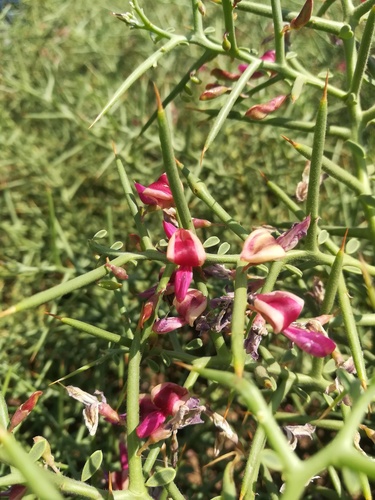
Camelthorn
Alhagi maurorum
In rats with testosterone-induced benign prostatic hyperplasia, the extract (200–400 mg/kg for 28 days) reduced prostate weight and down-regulated 5-α reductase, comparably to finasteride. No human data.
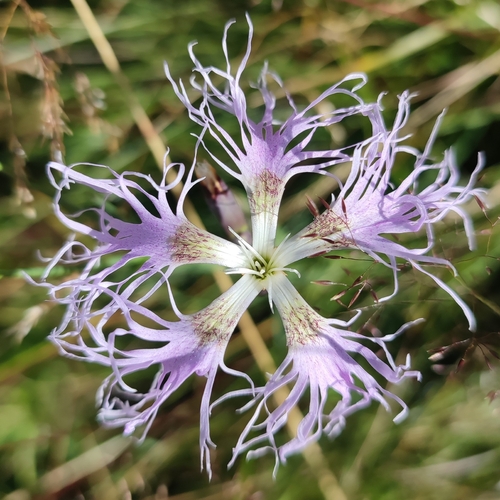
Fringed pink
Dianthus superbus
In a small Chinese study of 60 men with chronic prostatitis, Gualou Qumai pill with Taohe Chengqi decoction for 8 weeks was reported as 'effective' in 27 of 30 treated patients. These are multi-herb formulas, and the trial quality is unclear.
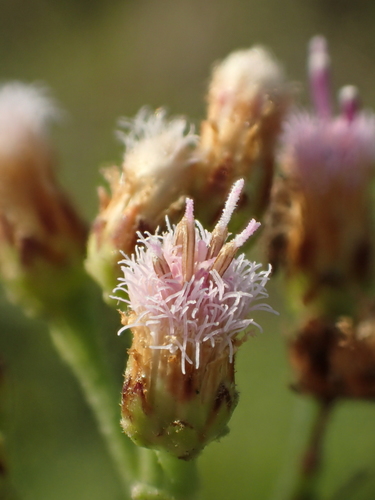
Indian camphorweed
Pluchea indica
Traditionally used in Southeast Asia for uncomfortable urinary symptoms. A standardised leaf extract slowed the growth of prostate stromal cells in the test tube; no clinical studies.
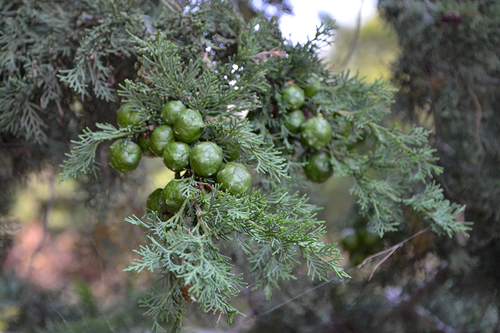
Italian cypress
Cupressus sempervirens
The fruit (cone) extract is used traditionally for urinary symptoms of benign prostatic hyperplasia. A diterpene from it, labda-8(17),12,14-trien-19-oic acid, inhibited human BPH stromal cells, reduced stromal tissue in human BPH samples ex vivo and prevented prostatic enlargement in rats. No human trials.
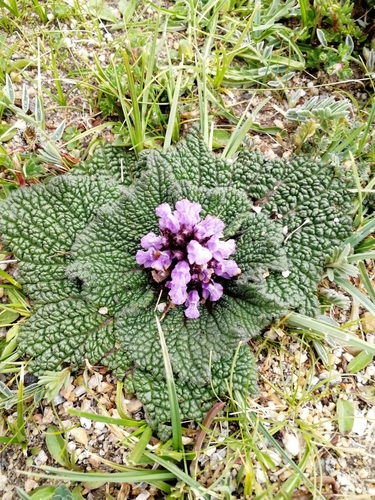
Lamiophlomis
Phlomoides rotata
In a Chinese randomised trial in men with type IIIB chronic prostatitis, Lamiophlomis rotata capsules for 4 weeks reduced pain and quality-of-life scores more than tamsulosin but improved urinary symptoms less; the abstract's patient numbers are inconsistent and the trial was not blinded as far as reported.
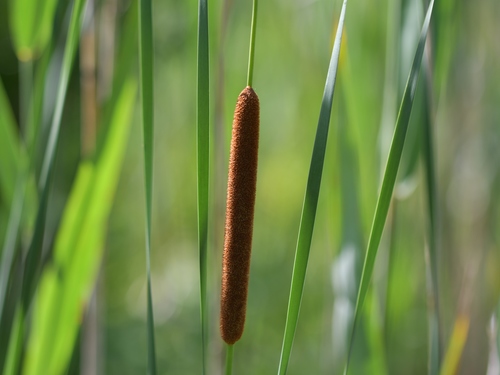
Narrowleaf cattail
Typha angustifolia
Inhibited testosterone-induced prostatic hyperplasia in rodents; the 2025 review reports modern clinical use for benign prostatic hyperplasia but cites no controlled trial.

Pumpkin
Cucurbita pepo
EU traditional-use indication for lower urinary tract symptoms of benign prostatic hyperplasia, after a doctor has excluded serious disease. In the one-year GRANU trial (1,431 men), 58.5% of men taking 5 g whole seed twice daily responded (IPSS fall of 5 points or more) versus 47.3% on placebo, but a seed extract did no better than placebo. An earlier 12-month trial of a seed extract in 476 men found a small advantage over placebo (IPSS fall 6.8 vs 5.6), with no change in urine flow or prostate size. A small trial found pumpkin seed oil less effective than tamsulosin.

Rangoon creeper
Combretum indicum
In a 12-week randomised, double-blind, placebo-controlled trial in 135 men with moderate lower urinary tract symptoms, 1,000 mg or 2,000 mg daily of a Q. indica extract improved symptom scores (IPSS) compared with placebo and was well tolerated. A single trial; not yet replicated.
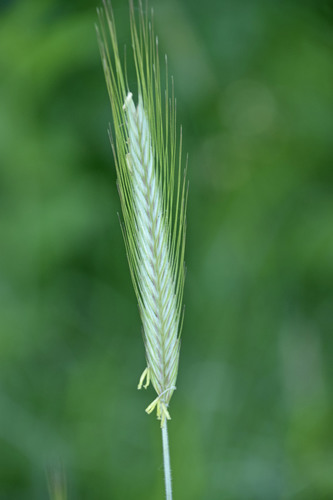
Rye
Secale cereale
Benign prostatic enlargement: a systematic review of four trials (444 men, 12–24 weeks) found that Cernilton improved men's own rating of urinary symptoms (risk ratio 2.40 vs placebo) and reduced night-time urination, but did not improve urine flow, residual urine or prostate size. Trials were short, small and of unclear quality; the 2011 Cochrane update was withdrawn for lack of adequate data.
Rye
Secale cereale
Chronic prostatitis / chronic pelvic pain syndrome: in a 12-week double-blind trial of 139 men with the inflammatory type, the pollen extract improved total symptom score, pain and quality of life compared with placebo (response 70.6% vs 50.0%). A later 100-man trial found it similar to another plant product, Eviprostat, with no placebo arm.
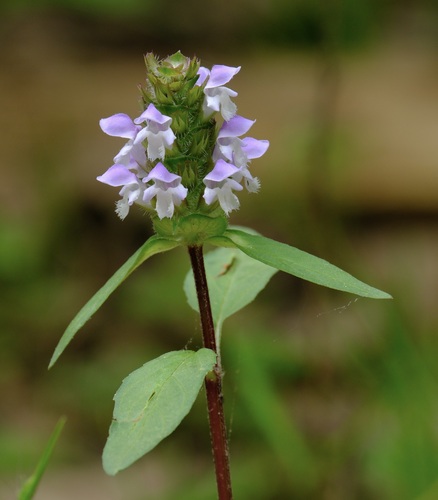
Self-heal
Prunella vulgaris
In a 12-week double-blind trial in 80 Korean men with moderate lower urinary tract symptoms, 600 mg/day of extract reduced the prostate symptom score more than placebo (−5.2 vs −2.8 points) without changing urine flow or prostate volume.

Stinging nettle
Urtica dioica
EMA traditional use of nettle root for lower urinary tract symptoms of benign prostatic hyperplasia after a doctor has excluded serious disease. In one 6-month randomised trial (620 men) symptom scores fell from 19.8 to 11.8 with nettle versus 19.2 to 17.7 with placebo; a review notes most other evidence comes from open studies.

Swizzle-stick
Rauvolfia vomitoria
Root-bark extracts are promoted for benign prostatic hyperplasia on the basis of laboratory and rat studies; a 90-day rat study found liver and lung changes even at the lowest dose and concluded that the safety of long-term use remains doubtful.
Traditional use
TraditionalLong recorded use, essentially untested in clinical trials.
African potato
Hypoxis hemerocallidea
Now used for an enlarged prostate, as well as headache, dizziness, burns and ulcers; no trials were found.
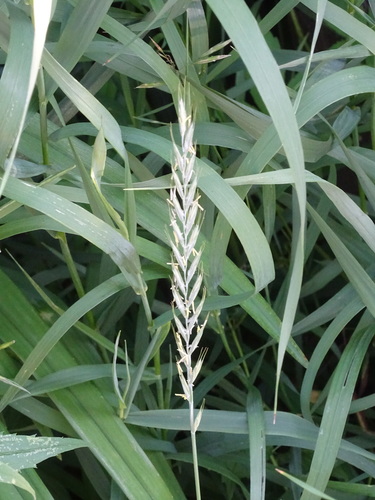
Couch grass
Elymus repens
The British Herbal Pharmacopoeia (1974, 1983) lists cystitis, urethritis, prostatitis and benign prostatic hypertrophy as indications. There are no controlled trials.

Small-flowered willowherb
Epilobium parviflorum
EMA/HMPC traditional-use monograph (2015): relief of lower urinary tract symptoms of benign prostatic hyperplasia after serious conditions have been ruled out by a doctor. The HMPC noted the lack of clinical studies; extracts and oenothein B inhibit 5α-reductase and aromatase and slow prostate-cell growth in vitro (not specifically for prostate cells), and two dogs with BPH had 40% smaller prostates after 2 months of extract.