Poor appetite
35 remedies
See a doctor if
Unexplained loss of appetite with weight loss.
Reference, not prescription. Nothing here is medical advice. Herbs can interact with medicines and be dangerous in pregnancy; tell your doctor or pharmacist about anything you take.
Moderate evidence
ModerateSeveral trials, mostly positive, or an EMA ‘well-established use’ monograph.
Limited evidence
LimitedSmall or few trials, mixed results, or mainly lab and animal work.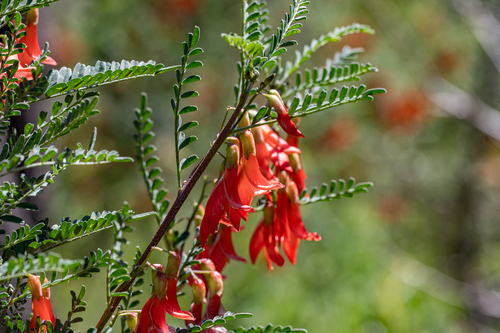
Cancer bush
Lessertia frutescens
A three-month randomised placebo-controlled safety trial in 25 healthy adults (800 mg/day leaf powder) found it well tolerated and noted improved appetite in the treated group.
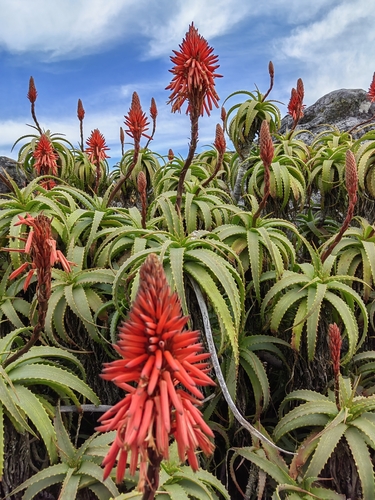
Candelabra aloe
Aloe arborescens
The same syrup is indicated for loss of appetite; improvement was reported in about two-thirds of children in the uncontrolled study.

Satsuma
Citrus unshiu
The Kampo formula ninjin'yoeito, which contains chinpi, is used in Japan for loss of appetite and fatigue in people with cancer. In cell studies, nobiletin, hesperidin, limonene and linalool from the peel activated the orexin-1 receptor, which is involved in appetite; the peel itself has not been tested in people.
Traditional use
TraditionalLong recorded use, essentially untested in clinical trials.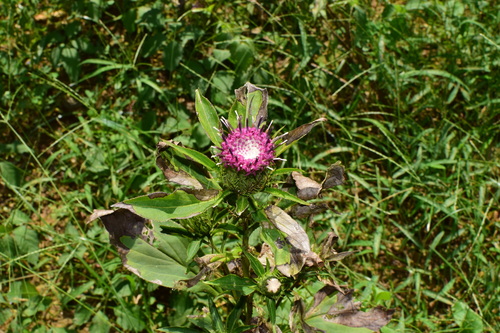
Bai zhu
Atractylodes macrocephala
Poor appetite from 'spleen deficiency' is a classic Chinese-medicine indication, usually in formulas such as Si jun zi tang.
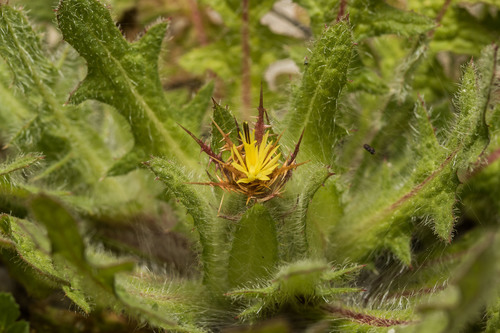
Blessed thistle
Centaurea benedicta
EMA traditional use for temporary loss of appetite, taken before meals. The bitter sesquiterpene lactone cnicin is thought to stimulate saliva and gastric juice reflexively, but EMA found no pharmacological or clinical studies demonstrating this.
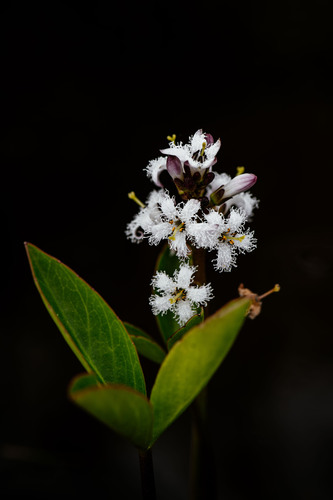
Bogbean
Menyanthes trifoliata
EMA traditional use in temporary loss of appetite, taken 30 minutes before meals. The bitter secoiridoids are thought to act reflexively on digestive secretion; EMA found no clinical trials. German Commission E indications were dyspeptic complaints and loss of appetite.
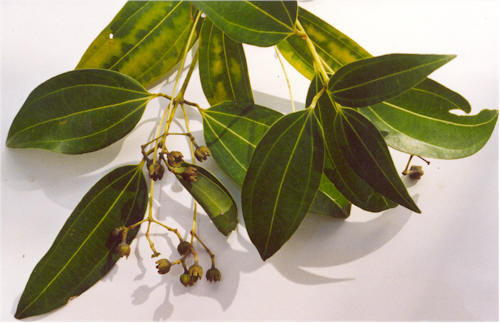
Ceylon cinnamon
Cinnamomum verum
Loss of appetite and dyspeptic complaints are listed in ESCOP and the British Herbal Pharmacopoeia, as summarised by the EMA assessment; not tested in trials.
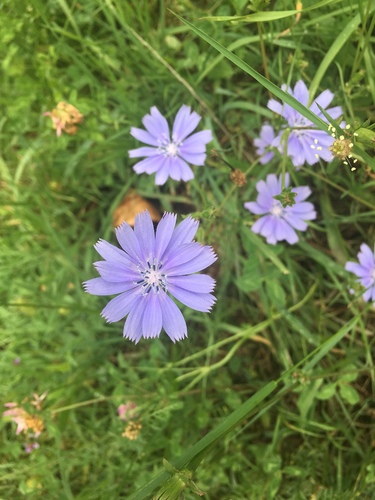
Chicory
Cichorium intybus
EMA also accepts traditional use for temporary loss of appetite. German Commission E approved the dried above-ground parts and/or root for dyspepsia and loss of appetite.
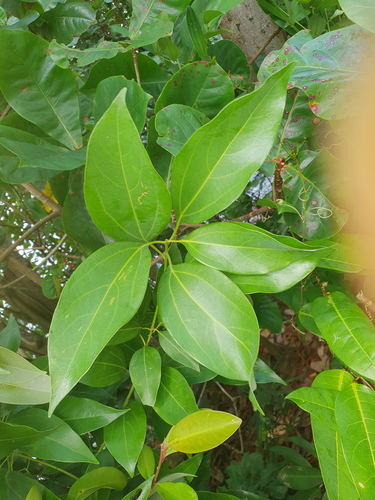
Chinese cassia
Cinnamomum cassia
Loss of appetite is part of the same WHO pharmacopoeial indication; no clinical trials are cited.
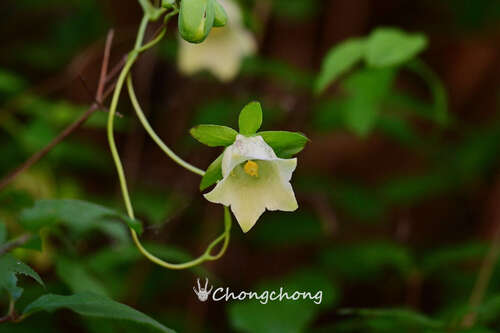
Codonopsis
Codonopsis pilosula
Used in Chinese medicine to 'strengthen the spleen' when appetite is poor, and in formulas such as Shen qi bai zhu tang for diarrhoea due to qi deficiency. Evidence is from animal studies on stomach and gut protection, not human trials.
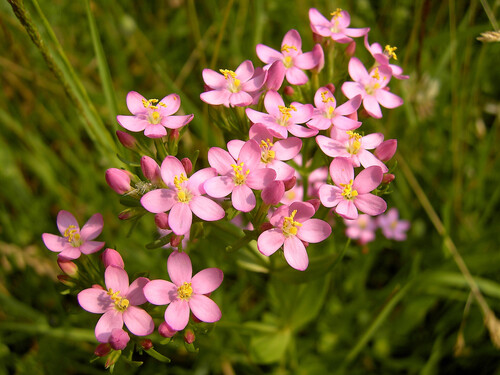
Common centaury
Centaurium erythraea
EMA traditional-use indication for temporary loss of appetite. Handbooks describe it as a bitter that stimulates appetite and gastric secretion.
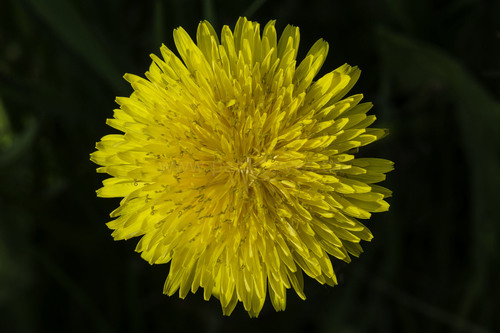
Dandelion
Taraxacum officinale
EMA traditional use for temporary loss of appetite; WHO lists appetite stimulation among uses in well-established documents (Commission E).
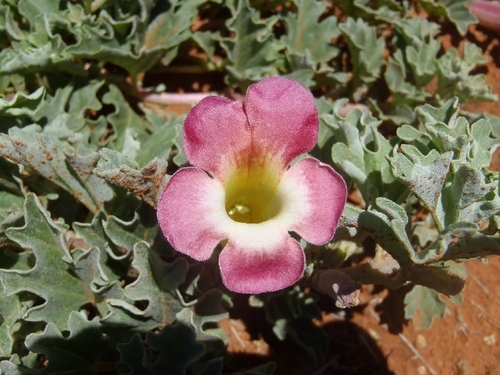
Devil's claw
Harpagophytum procumbens
EMA recognises traditional use where there is temporary loss of appetite, based on long use of this very bitter root.
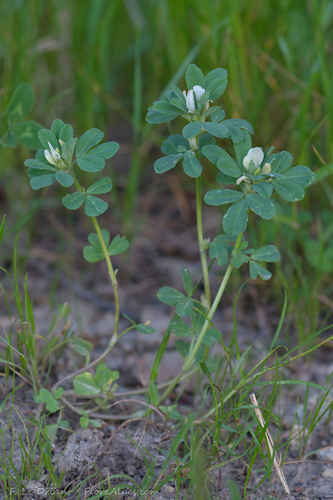
Fenugreek
Trigonella foenum-graecum
The EU herbal monograph accepts fenugreek seed as a traditional herbal medicine for temporary loss of appetite, on the strength of long use rather than trials. Commission E and the WHO monograph give the same indication.
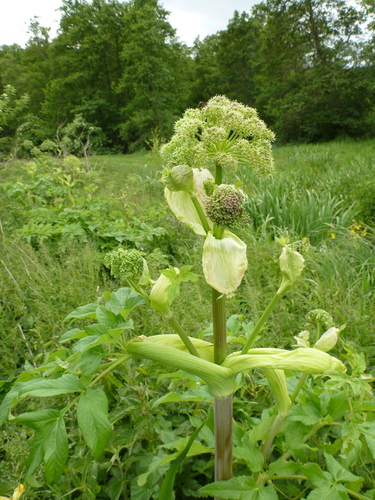
Garden angelica
Angelica archangelica
Used as a bitter preparation, a class indicated for loss of appetite in Swiss integrative practice; untested in trials.

Ginger
Zingiber officinale
EMA traditional use for temporary loss of appetite.
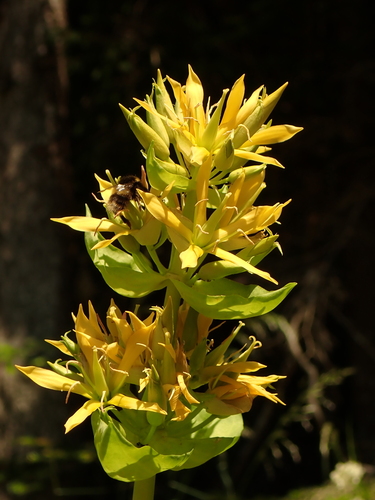
Great yellow gentian
Gentiana lutea
EMA registers gentian root as a traditional remedy for temporary loss of appetite; WHO lists it as an appetite stimulant during convalescence, based on pharmacopoeias rather than trials.

Greater burdock
Arctium lappa
EMA traditional-use indication for temporary loss of appetite; the German Drug Codex (DAC 2008) also records popular use for gastrointestinal complaints.

Horseradish
Armoracia rusticana
Recorded as an appetite stimulant in a 2026 survey of Lithuanian traditional medicine for digestive complaints.
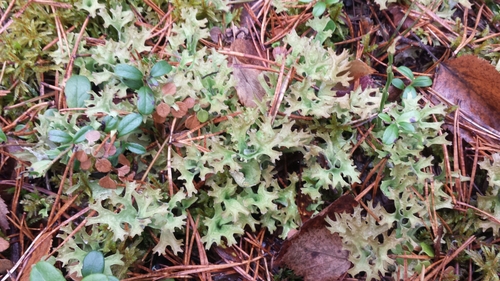
Iceland moss
Cetraria islandica
EMA traditional use for temporary loss of appetite; WHO also lists loss of appetite and nausea among uses described in pharmacopoeias.

Jamun
Syzygium cumini
Listed among traditional uses for loss of appetite; untested.
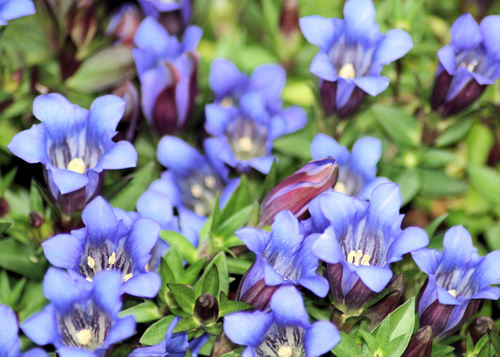
Japanese gentian
Gentiana scabra
Pharmacopoeias cited by WHO list it for lack of appetite; like other gentians it is intensely bitter (from gentiopicroside), but there are no clinical studies.

Javanese turmeric
Curcuma zanthorrhiza
Used in Indonesian jamu for lack of appetite, alongside stomach and liver complaints; not clinically tested.
Mandarin orange
Citrus reticulata
A component of Liujunzi / Rikkunshito, a qi-tonifying formula used across East Asia for poor appetite and digestive weakness.
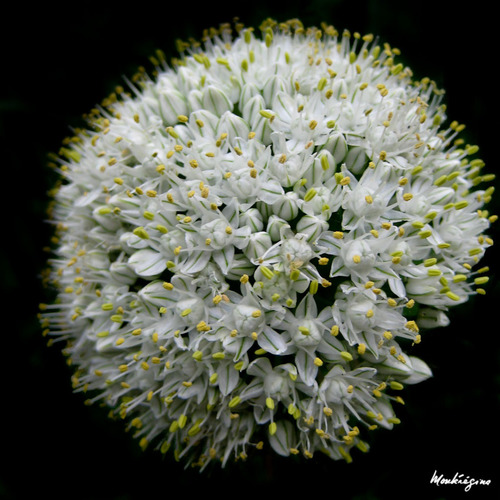
Onion
Allium cepa
WHO, citing the 1986 German Commission E monograph, gives loss of appetite and prevention of age-related changes in blood vessels as the principal modern uses; these rest on long use and small studies rather than good trials.
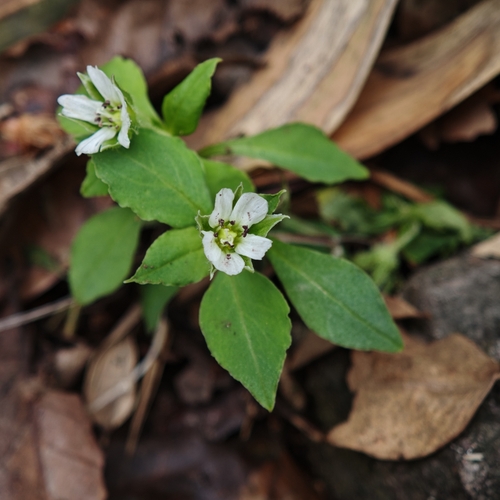
Prince ginseng
Pseudostellaria heterophylla
A classic Chinese use is poor appetite with spleen deficiency. The root is an ingredient of commercial Chinese digestive products such as Jianwei Xiaoshi tablets. Not tested on its own.

Quinine tree
Cinchona officinalis
Commission E approved cinchona bark as a bitter for loss of appetite and dyspeptic complaints such as bloating; this rests on long use rather than trials.

Scurvy grass
Cochlearia officinalis
Also recorded in Romanian folk medicine for lack of appetite in children. Untested.
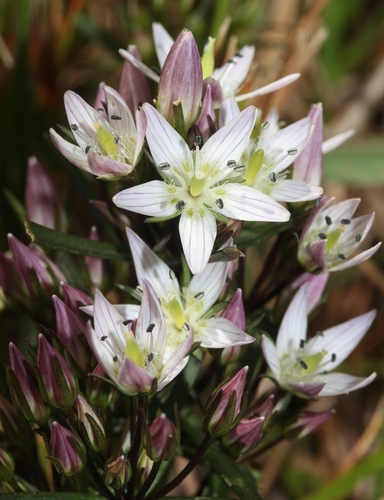
Senburi
Swertia japonica
Described as used in Japan mainly as a digestive and appetite stimulant; the claim rests on tradition, not trials.

Sweet orange
Citrus x aurantium
Commission E approved bitter orange peel for loss of appetite and dyspeptic complaints, on the basis of long use; it has not been assessed by the EMA.

White horehound
Marrubium vulgare
EMA traditional-use indication for temporary loss of appetite. The assessment report notes that bitter preparations raise saliva and gastric secretion, so a benefit can only be assumed in people with reduced gastric secretion.
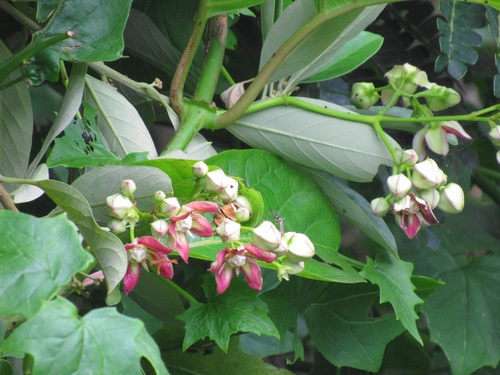
White's ginger
Mondia whitei
The root is used as an appetiser and to improve appetite.
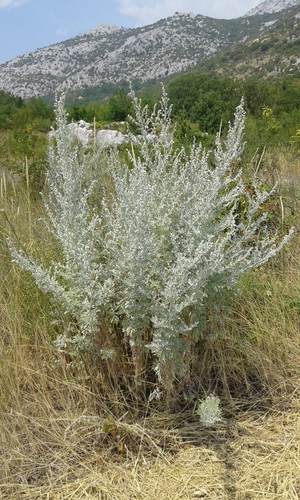
Wormwood
Artemisia absinthium
EMA traditional use for temporary loss of appetite in adults, taken 30 minutes before meals.
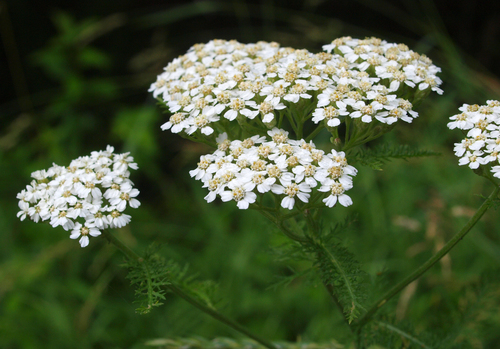
Yarrow
Achillea millefolium
EMA traditional use for temporary loss of appetite, based on long-standing use rather than trials.