Constipation
84 remedies
See a doctor if
Blood in stools, a lasting change in bowel habit, or severe pain.
Reference, not prescription. Nothing here is medical advice. Herbs can interact with medicines and be dangerous in pregnancy; tell your doctor or pharmacist about anything you take.
Strong evidence
StrongAn approved medicine, or consistent good-quality trials and reviews.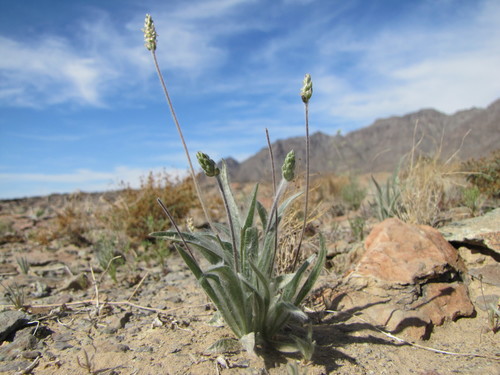
Psyllium (Blond plantain)
Plantago ovata
An authorised medicine for habitual constipation under the EMA well-established-use monograph. It usually acts within 12–24 hours, sometimes taking 2–3 days for the full effect.

Senna
Senna alexandrina
The EU grants well-established use for short-term occasional constipation (10–30 mg sennosides at night). The 2023 AGA–ACG guideline gives senna a conditional recommendation for chronic idiopathic constipation in adults.
Moderate evidence
ModerateSeveral trials, mostly positive, or an EMA ‘well-established use’ monograph.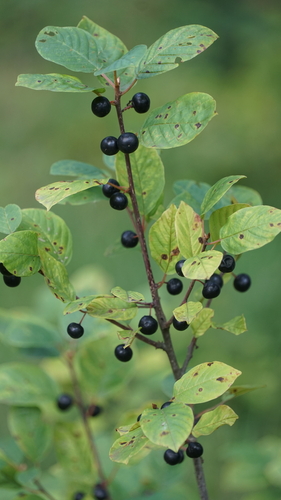
Alder buckthorn
Frangula alnus
EMA grants well-established use for short-term relief of occasional constipation, and WHO lists this as supported by clinical data. EMA notes that there are no recent trials of frangula alone: its conclusion rests on trials of combination laxatives, clinical experience and the better-studied senna.

Aloe vera
Aloe vera
EMA recognises well-established use of the dried leaf juice (latex) for short-term occasional constipation, and WHO lists this among clinically supported uses; it acts like senna, through anthranoid glycosides.
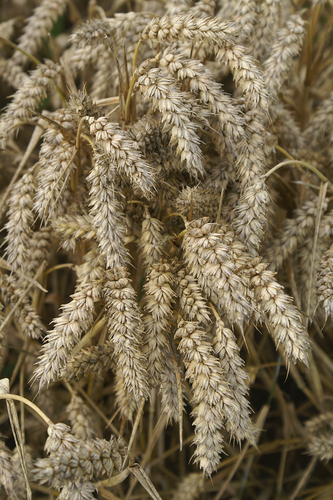
Bread wheat
Triticum aestivum
A 2022 meta-analysis of 16 RCTs found fibre supplements helped chronic constipation (66% vs 41% responders), most clearly at more than 10 g a day for at least 4 weeks. Psyllium and pectin showed significant effects; one wheat bran trial showed a large effect, but the authors recommend psyllium over bran because bran caused abdominal pain severe enough for some to withdraw.

Cape aloe
Aloe ferox
EU well-established-use indication: short-term use in occasional constipation, with a bowel movement 6–12 hours after the dose. The EMA notes there are no clinical trials of aloe itself; the grade rests on pharmacology, clinical experience and trials of the closely related senna anthranoids. WHO and Commission E also cover this use.
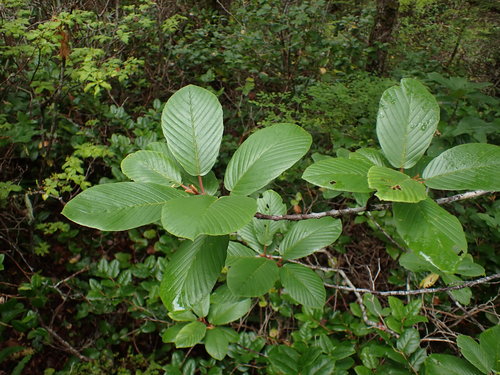
Cascara sagrada
Frangula purshiana
The EU monograph (revised 2020) grants well-established use for short-term treatment of occasional constipation. EMA notes this rests on pharmacology, expert opinion and clinical experience: there are no controlled clinical trials of cascara alone, and the laxative mechanism is shared with senna and frangula. Effect comes 8–12 hours after a dose. For bowel cleansing before procedures, a cascara-plus-magnesium-sulphate combination did worse than polyethylene glycol solution. It was also the recorded laxative of many Indigenous peoples of the Pacific Northwest.

Castor oil plant
Ricinus communis
EMA well-established use as a laxative for short-term use in occasional constipation, based on bibliographic data and two clinical studies. It works within hours but causes more cramping, vomiting and bloating than other laxatives, so it is rarely a first choice.
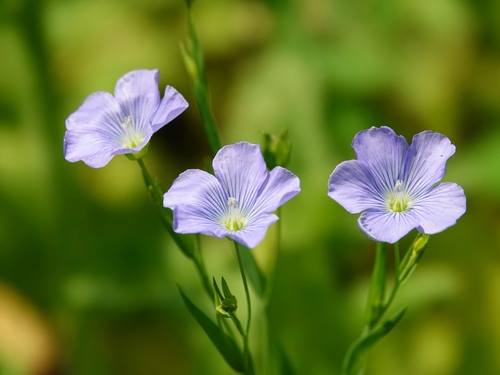
Flax (Linseed)
Linum usitatissimum
EMA well-established use for habitual constipation, based on clinical studies and long use. It acts in 12–24 hours, sometimes 2–3 days. A small trial in constipated people with type 2 diabetes found 10 g twice daily in cookies improved symptoms over placebo.

Kiwifruit
Actinidia chinensis var. deliciosa
The European Food Safety Authority (2021) judged that six intervention studies consistently showed two to four green Hayward kiwifruit a day increase stool frequency, and concluded a cause-and-effect relationship for about 200 g of flesh daily. A multicentre crossover RCT found two kiwifruit a day added about 1.5 complete bowel movements per week.
Limited evidence
LimitedSmall or few trials, mixed results, or mainly lab and animal work.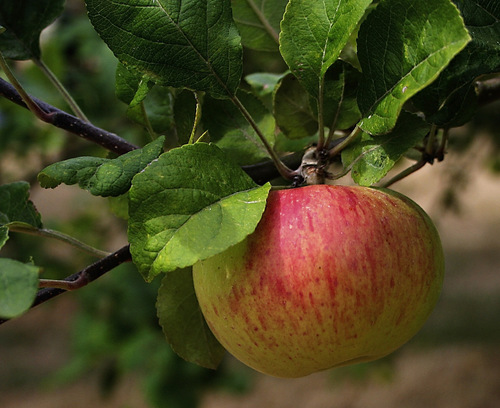
Apple
Malus domestica
In a fibre meta-analysis, pectin was one of the fibres that improved constipation. A small 12-week trial (23 adults) found unripe-apple polyphenol tablets (600 mg/day) increased weekly bowel movements (7.0 vs 4.9).
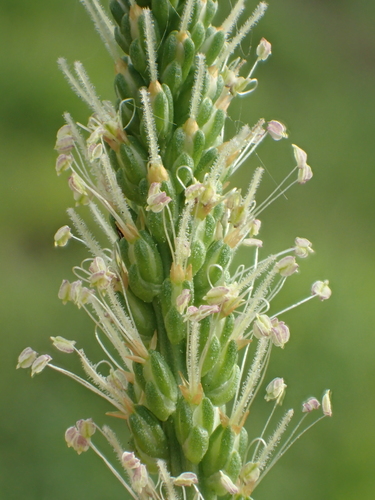
Asian plantain
Plantago asiatica
WHO's monograph on Semen Plantaginis, which includes seed of P. asiatica alongside psyllium (P. ovata) and others, lists use as a bulk-forming laxative as supported by clinical data. WHO does not report trials species by species, so the evidence for P. asiatica seed itself is uncertain.
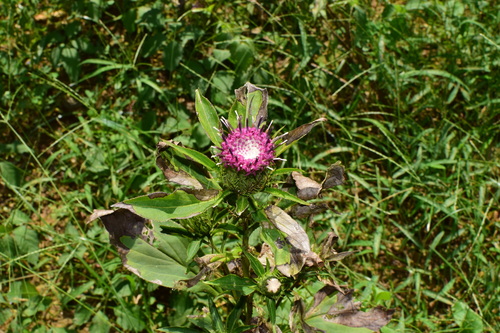
Bai zhu
Atractylodes macrocephala
Water and polysaccharide extracts increased stool output and gut motility in rat and mouse constipation models. Human evidence was not found.
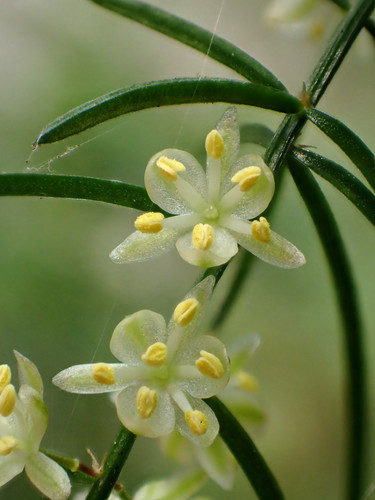
Chinese asparagus
Asparagus cochinchinensis
Used traditionally for constipation. A saponin-enriched extract increased stool number and gut transit in rats with loperamide-induced constipation.

Common fig
Ficus carica
A 2016 Korean randomised, double-blind, placebo-controlled trial in 80 adults with functional constipation found that 8 weeks of fig paste shortened colon transit time and improved stool type and abdominal discomfort compared with placebo, with no changes in blood safety markers. It has not been independently repeated.
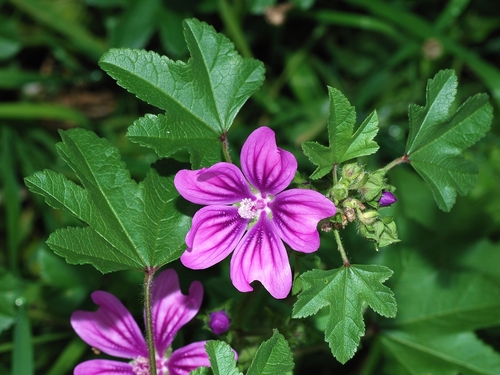
Common mallow
Malva sylvestris
One placebo-controlled trial in Iran (110 adults, 4 weeks) found a mallow-flower syrup increased stool frequency and reduced hard stools (45% vs 9% with placebo). EMA judged it insufficient for a well-established-use monograph.
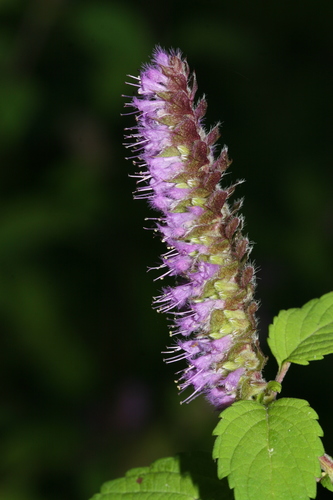
Crested late-summer mint
Elsholtzia ciliata
A water extract relieved loperamide-induced constipation in mice, increasing gut transit and markers of intestinal barrier function.
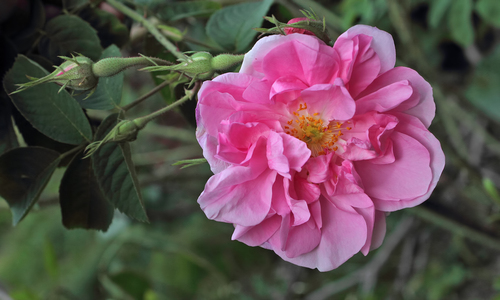
Damask rose
Rosa damascena
Reviews describe small Iranian trials: a rose hydroalcoholic extract acted faster than lactulose in adults with chronic constipation, and rose-containing formulas (with fennel, or with brown sugar for children) compared well with polyethylene glycol. Rose petal boiled extract is laxative in rat gut studies.

Desert broomrape
Cistanche deserticola
Long used in Chinese medicine to moisten the bowel; animal studies show increased gut motility and stool volume. A 2026 placebo-controlled phase II trial in 180 adults with functional constipation of 'yang-deficiency' type found responder rates of 60.7% on 6 g/day of Congrong Runtong oral liquid, 35.0% on 3 g/day and 18.6% on placebo over 8 weeks; the abstract does not give the product's full composition.

Flixweed
Descurainia sophia
First-line treatment for constipation in Iranian traditional medicine. In 109 children aged 2–12 with chronic functional constipation, 2–3 g of seeds daily for 8 weeks worked about as well as the standard laxative PEG (64.3% vs 54.7% no longer met constipation criteria; difference not significant), though children disliked the taste. In an uncontrolled 4-week pilot in 35 adults, symptom scores and stool form improved, with about half reaching three or more complete bowel movements a week.
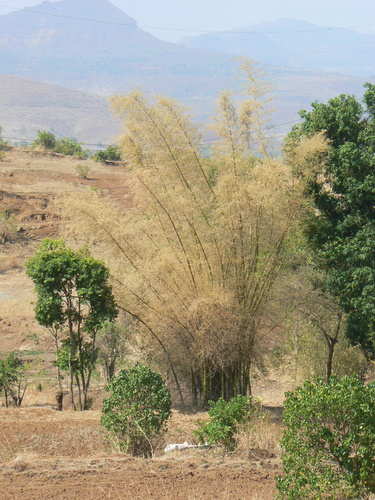
Giant thorny bamboo
Bambusa bambos
The shoots are a folk laxative. An ethanolic shoot extract increased wet faeces and gut transit in mice at 250–500 mg/kg; there are no human studies.
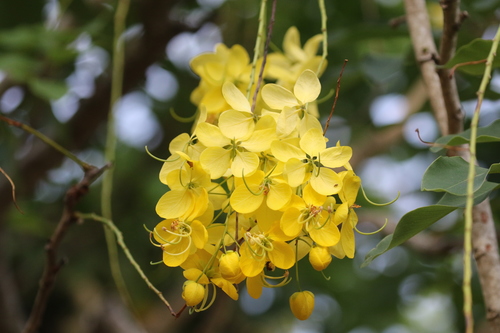
Golden shower tree
Cassia fistula
In two randomised trials from one Iranian group, a pod-pulp syrup (30 ml/day for 2 weeks) increased bowel movements more than the same dose of lactulose, in 70 older adults and in 66 people with chronic kidney disease, with no significant side effects. Earlier trials found a C. fistula emulsion more effective than mineral oil and as effective as polyethylene glycol in children's functional constipation. Trials were small and short.
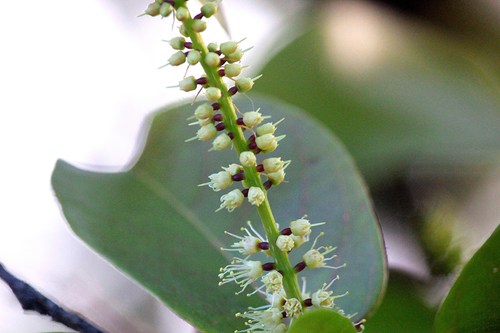
Haritaki (Chebulic myrobalan)
Terminalia chebula
Small, poorly reported clinical studies of haritaki and Triphala describe increased stool output and frequency; Ayurveda calls Triphala mildly laxative at normal doses and purgative at high doses.
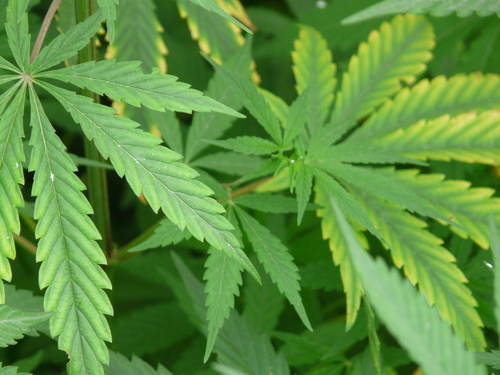
Hemp (Cannabis)
Cannabis sativa
The seed (which contains essentially no THC) is the base of the Chinese formula Ma Zi Ren Wan (Hemp Seed Pill); a 2021 meta-analysis found it effective for functional constipation in Asian patients, with calls for trials elsewhere.
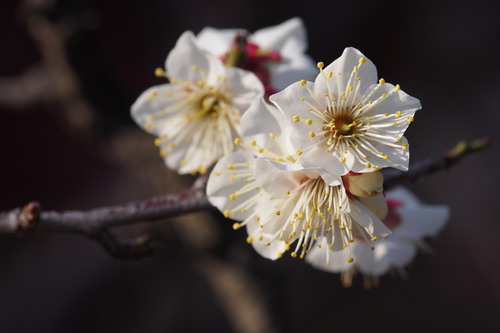
Japanese apricot
Prunus mume
In an 8-week randomised placebo-controlled trial (57 people), 7.2 g fruit extract twice daily shortened colon transit time and reduced pain on defecation.

Papaya
Carica papaya
The same small Caricol trial found improved constipation compared with placebo.

Pointed gourd
Trichosanthes dioica
Ayurveda calls the leaves laxative. An aqueous root extract had a stimulant-laxative effect in mice, and the higher dose (200 mg/kg) caused diarrhoea.

Red silk-cotton tree
Bombax ceiba
Somewhat at odds with its use for diarrhoea, an aqueous flower extract (160 mg/kg for 8 days) increased stool number and water content and gut transit in mice with drug-induced constipation.
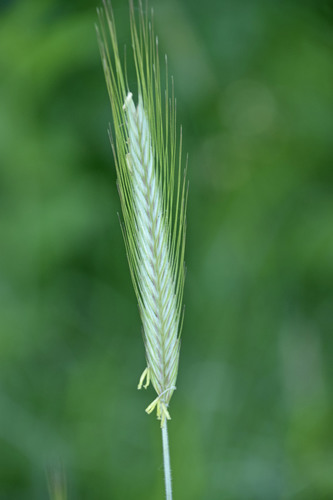
Rye
Secale cereale
In a 3-week randomised trial in 51 constipated adults, at least 240 g a day of whole-grain rye bread shortened gut transit time by 23% and added about 1.4 bowel movements a week compared with white wheat bread, without more gastrointestinal side effects.
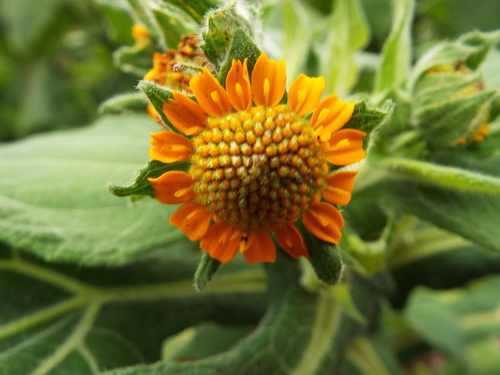
Yacón
Smallanthus sonchifolius
In 16 healthy volunteers, 20 g of yacón syrup a day for two weeks shortened colonic transit time from 59.7 to 38.4 hours and increased stool frequency.
Traditional use
TraditionalLong recorded use, essentially untested in clinical trials.
Amla (Indian gooseberry)
Phyllanthus emblica
In Ayurveda, Triphala (amla with two Terminalia fruits) is a mild laxative and bowel tonic; a few small clinical studies of Triphala exist, but not of amla alone.
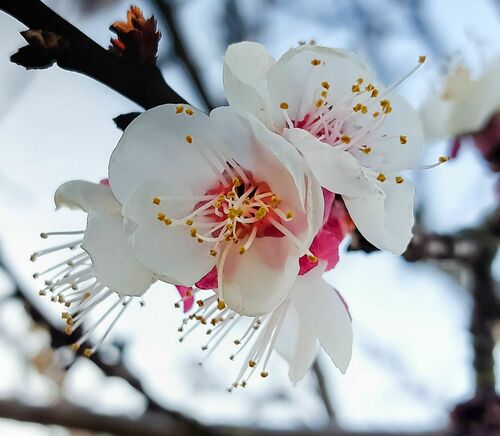
Apricot
Prunus armeniaca
Chinese Pharmacopoeia: 'moistens the intestine and relaxes the bowels', for constipation.
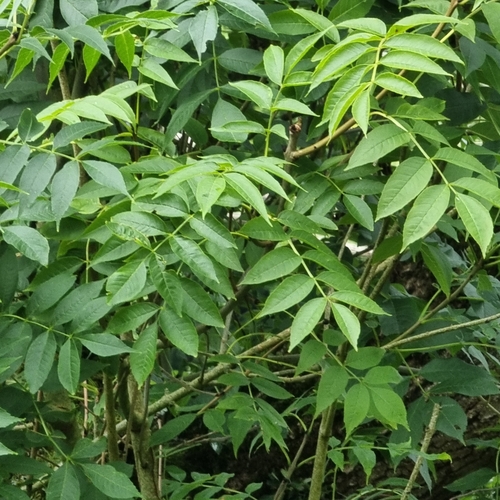
Ash
Fraxinus excelsior
Fraxinus species are used in European folk medicine as mild purgatives and for constipation; EMA notes mannitol may explain a laxative effect.
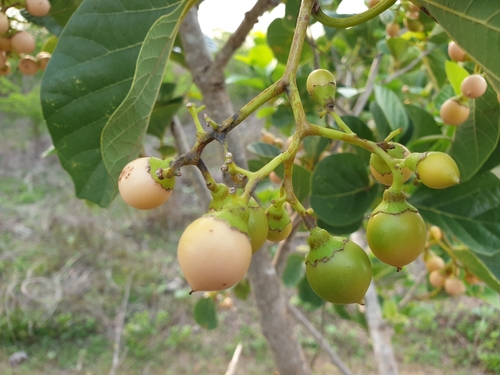
Assyrian plum
Cordia myxa
Unani authors (Baghdadi; Ibn Sina) say Sapistan relieves constipation and quenches thirst; it acts as a mild purgative.
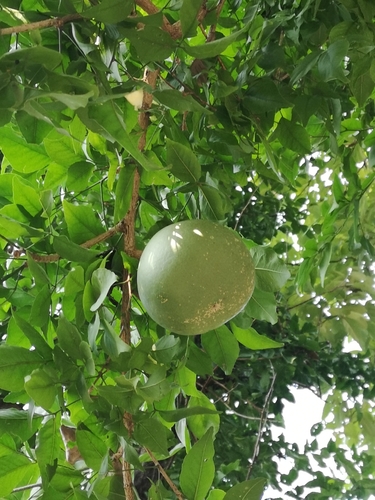
Bael
Aegle marmelos
The ripe fruit is regarded in Indian tradition as laxative, restorative and tonic, in contrast to the astringent unripe fruit.
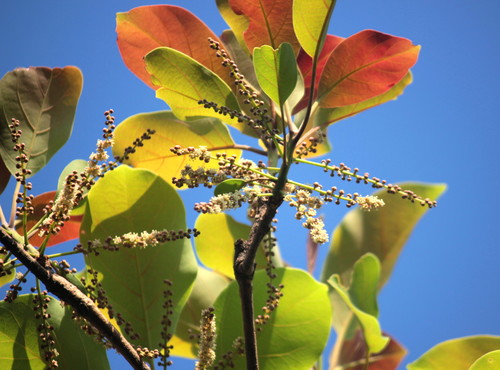
Bibhitaki
Terminalia bellirica
Ayurvedic physicians consider the fruit pulp astringent and laxative (Pharmacographia Indica, 1890), and triphala is used for constipation; human studies of triphala are limited (MSK).
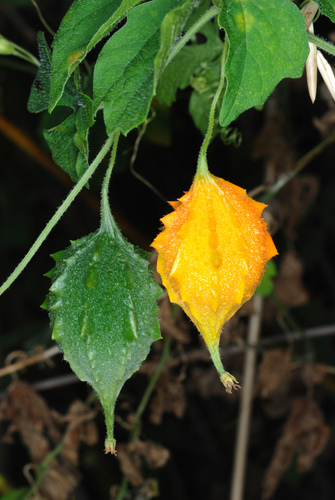
Bitter melon
Momordica charantia
WHO records use as a laxative, an emetic and a tonic in pharmacopoeias and established documents; no trials.
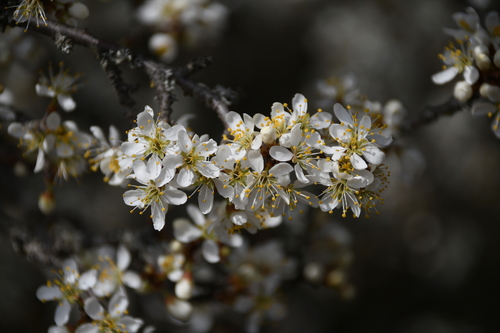
Blackthorn
Prunus spinosa
Leaves and fruits have long been used as a laxative in traditional medicine.

Blue flag
Iris versicolor
Cree, Creek, Iroquois and Ojibwa people used the root or plant as a purgative ('quick physic'); the Ojibwa also used it as an emetic. Not tested in trials.
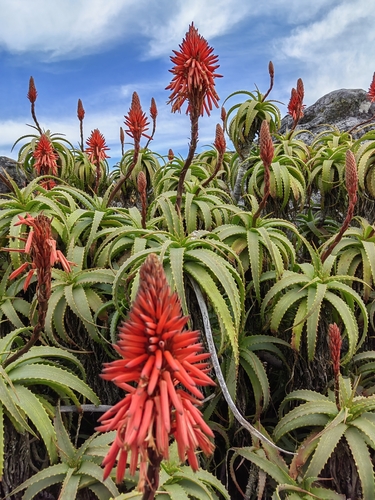
Candelabra aloe
Aloe arborescens
The leaf has long been used as a laxative; its anthraquinones such as aloin are converted to aloe-emodin by gut enzymes.
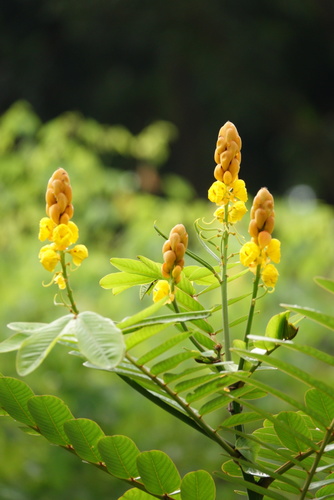
Candle bush
Senna alata
Widely used as a laxative in traditional medicine (Cuba, Nigeria, Egypt and elsewhere); its leaves contain anthraquinones such as rhein, emodin and aloe-emodin, but no human laxative trials were found.
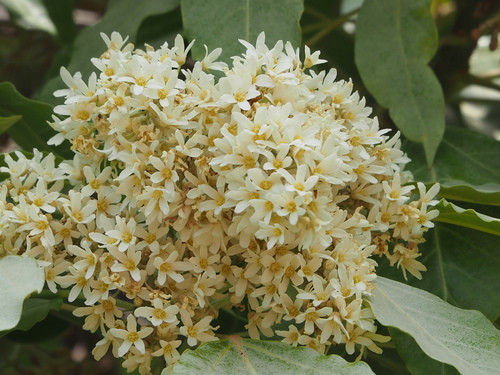
Candlenut
Aleurites moluccanus
The seed is sold as a 'natural laxative'; raw seeds cause abdominal pain, vomiting and diarrhoea, so this is a toxic effect rather than a safe remedy.

Cleavers
Galium aparine
Cherokee took an infusion to 'move bowels'.
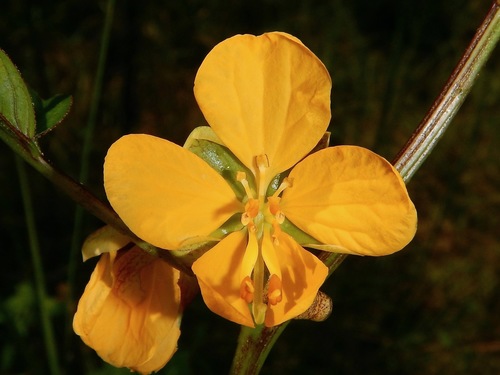
Coffee senna
Senna occidentalis
Used as a laxative in traditional medicine, and an ingredient of the Indian polyherbal laxative Herbolax; Jamaican folk medicine uses it for constipation. It is not the senna of commercial laxatives (Senna alexandrina), and has been found as a contaminant of senna products.
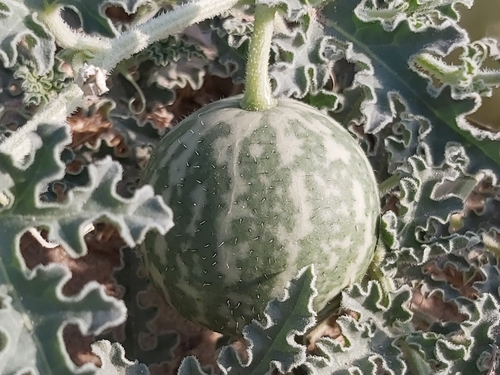
Colocynth
Citrullus colocynthis
The classic traditional use, as a purgative in traditional Iranian and African medicine. Taking it for constipation is also how most reported poisonings happen, including a Somali man and a 4-year-old American child who developed bloody diarrhoea.
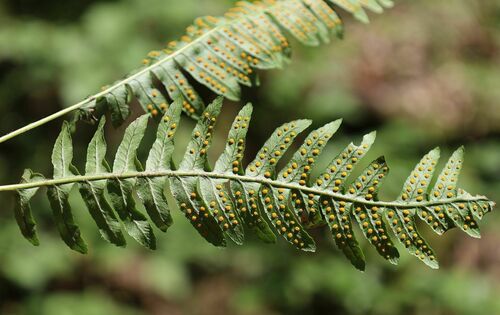
Common polypody
Polypodium vulgare
EMA traditional use for short-term relief of occasional constipation, recorded from Culpeper to Madaus (1938). No clinical studies exist. A mild laxative effect is listed as a side effect when it is used for coughs.
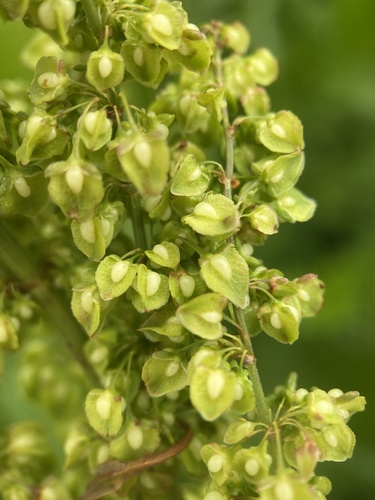
Curled dock
Rumex crispus
Cherokee people took a root infusion for constipation, and Iroquois, Micmac and Shoshone people took the root as a purgative. The root contains anthraquinones such as emodin and chrysophanol, a class with laxative action, but no clinical studies were found.
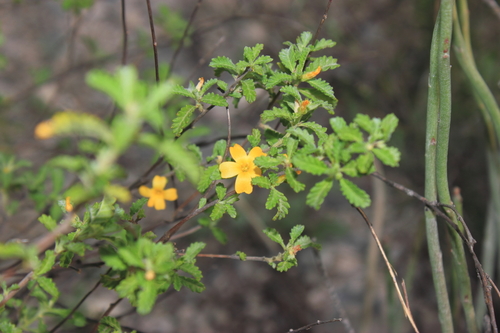
Damiana
Turnera diffusa
Used as a laxative in traditional medicine; MSK says there are no data to support this use.
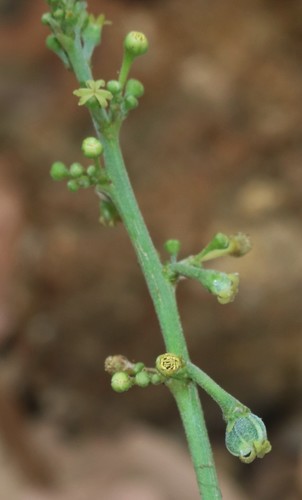
Danti
Baliospermum montanum
Danti is classed among the six best purgatives in classical Ayurveda and is used for strong therapeutic purgation (teekshna virechana), not for ordinary constipation. In 27 hospital patients purged with Danti avaleha, 20 had abdominal cramps and 20 vomited; the authors note it is a little-used purgative because of these complications. A 2026 rat study found root extract changed stool output and colonic secretion in a dose-related way.

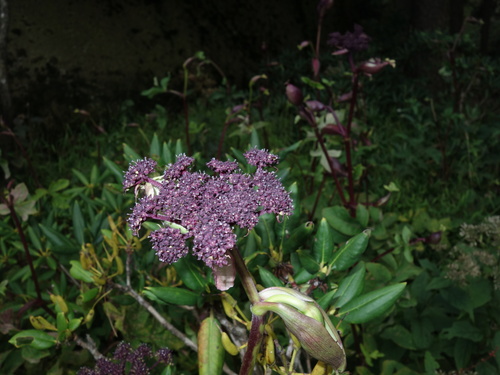
Devil's club
Oplopanax horridus
Used as a laxative or purgative by the Bella Coola, Carrier, Kwakiutl and Thompson.
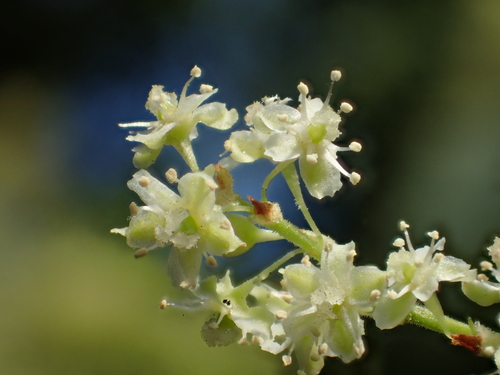
Dong quai
Angelica sinensis
The Chinese Pharmacopoeia records it 'to relax the bowels'; WHO lists constipation among traditional uses.
Fo-ti
Reynoutria multiflora
The Chinese Pharmacopoeia (Zhong Hua Yao Dian) lists it for constipation and high blood lipids; no good clinical trials.
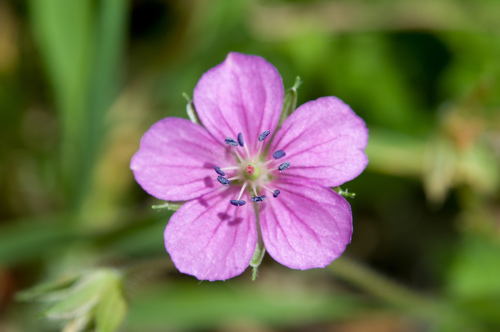
Gennoshoko
Geranium thunbergii
The same herb brewed briefly as a tea (rather than long-boiled) is used in Japan for constipation. Untested.
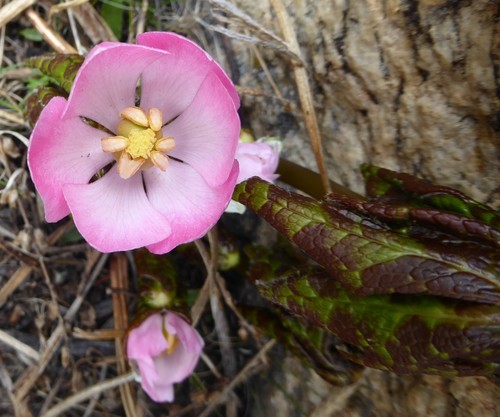
Himalayan mayapple
Sinopodophyllum hexandrum
Listed among the traditional uses in Ayurveda, Unani, Siddha, Tibetan and Chinese medicine, with fever, jaundice, liver disorders, syphilis and lymph-gland disease. Podophyllin laxatives have caused severe poisoning.
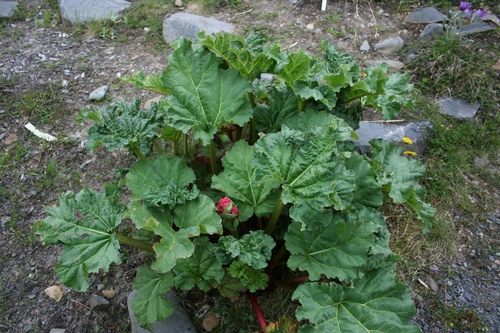
Himalayan rhubarb
Rheum australe
Root, bark and leaf extracts have long been used as a laxative, and a watery extract of the rhizome is taken for constipation in Himachal Pradesh. Its anthraquinones are the same type as those of official rhubarb (R. palmatum), but R. australe itself has not been tested in trials.
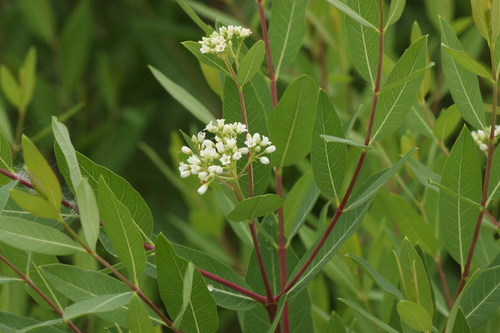
Indian hemp
Apocynum cannabinum
The Blackfoot and Iroquois used the root as a laxative and the Hudson Bay Cree a decoction of leaves and bark as a purgative and emetic. Its strong purgative and emetic action reflects its toxicity.
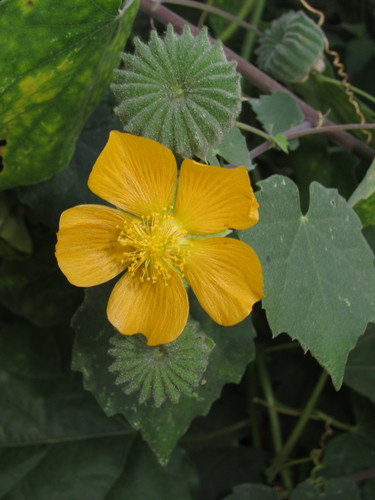
Indian mallow
Abutilon indicum
Seed powder taken with water is used as a laxative, and the plant is described as laxative in Ayurveda. Untested.
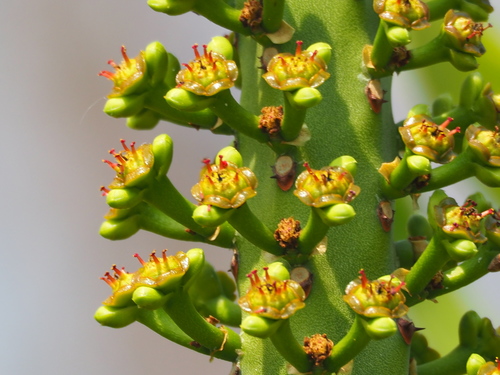
Indian spurge tree
Euphorbia neriifolia
Vaidyas have long used the latex as a 'radical' laxative and powerful purgative, including for dropsy, anasarca and enlarged liver and spleen. Its purgative action reflects its irritant toxicity.
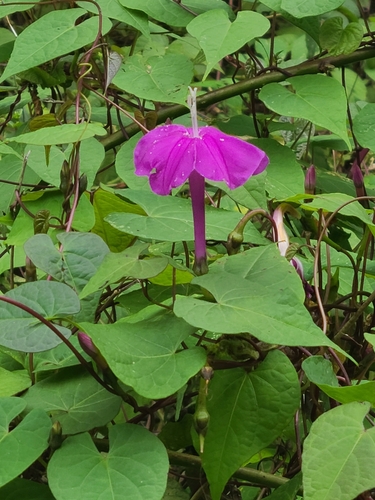
Jalap
Ipomoea purga
A pre-Hispanic Mexican purgative still used as a laxative and found in over-the-counter products sold by herbalists in Mexico; its resin glycosides cause purging, but no clinical trials were found.
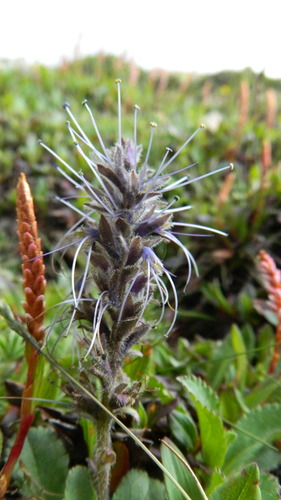
Kutki
Picrorhiza kurroa
Ayurveda classes it as a purgative (cathartic); diarrhoea and increased bowel frequency are its commonest side effects.
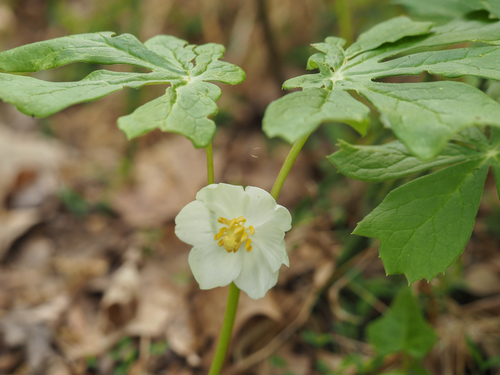
Mayapple
Podophyllum peltatum
Cherokee, Iroquois and Delaware people ate the boiled or powdered root, chewed raw root or drank a cold infusion as a strong physic; the resin is documented as a laxative.
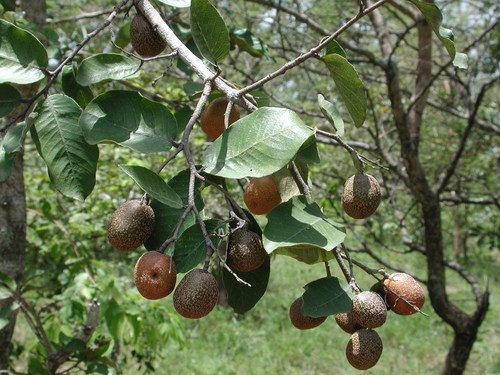
Mobola plum
Parinari curatellifolia
In south-central Zimbabwe a root extract of muchakata is drunk as a constipation medicine. No clinical testing.
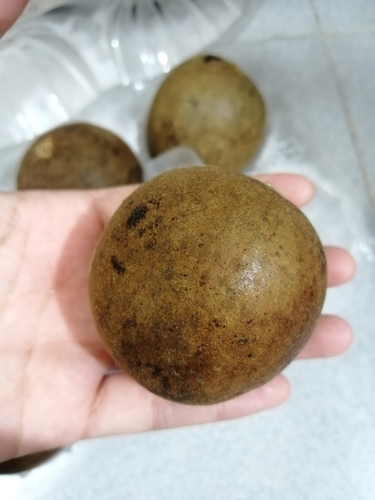
Monk fruit
Siraitia grosvenorii
Pharmacopoeia indication for constipation from 'intestinal dryness'.
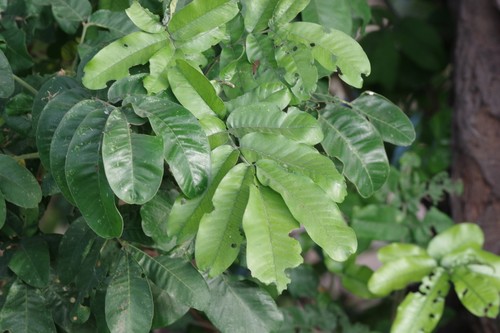
Natal mahogany
Trichilia emetica
The bark is widely used in South Africa as a purgative, laxative and emetic, taken by mouth or as an enema. In muthi markets, an infusion of the bark with Spirostachys africana bark is sold for constipation. No clinical testing.

Ningpo figwort
Scrophularia ningpoensis
Listed among its long-standing traditional uses in Chinese medicine; no trial of the root alone was found.

Noni
Morinda citrifolia
Ripe fruit was used for bowel cleansing and, in Polynesia, for constipation and diarrhoea.

Peach
Prunus persica
Táo rén is used in Chinese medicine for dry-type constipation and in digestive formulas; a 2024 review lists digestive use among its clinical applications but cites no controlled trials of the kernel alone.
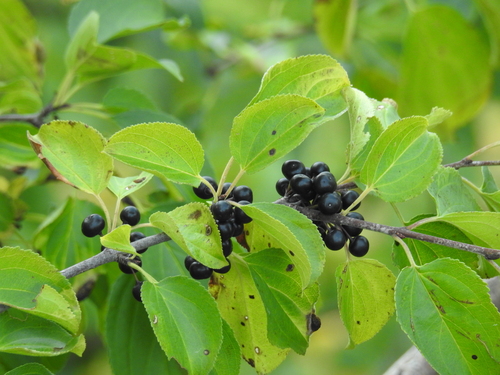
Purging buckthorn
Rhamnus cathartica
Commission E approved buckthorn berries for constipation. The effect comes from anthraquinone glycosides, as with senna and frangula, but no clinical trials of this species were found. Commentators note the effect is hard to control: even moderate doses can cause cramping abdominal pain or vomiting.
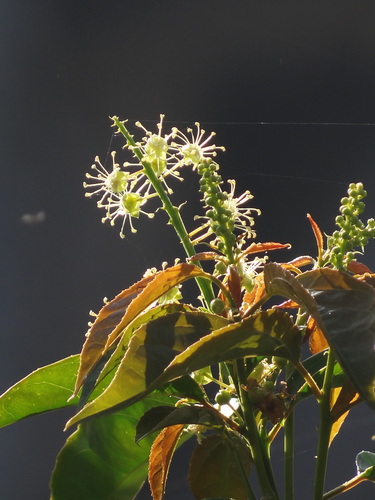
Purging croton
Croton tiglium
Used as a drastic purgative in traditional medicine across Asia; croton oil is a stimulant laxative acting within 6–12 hours. In rats, raw seed powder at 100 mg/kg caused marked purging and stomach inflammation, and Thai detoxification reduced both. Not used medically as a laxative today because of toxicity.
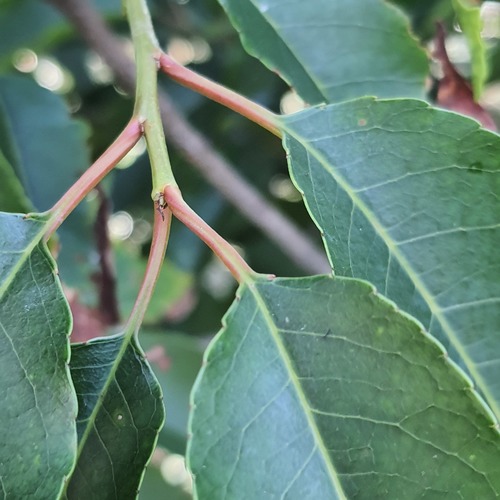
Pygeum
Prunus africana
WHO records folk use as a purgative, not supported by experimental or clinical data.
Radish
Raphanus sativus
Constipation, diarrhoea and dysentery are among the seed's recorded uses in Chinese clinical practice.
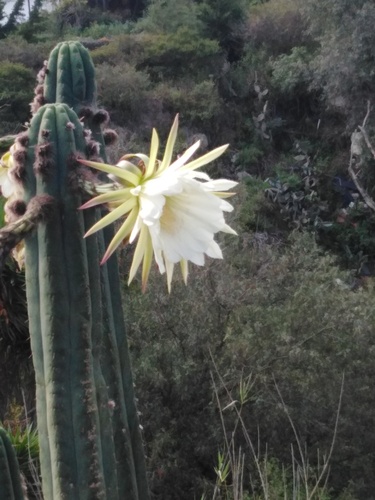
San Pedro cactus
Trichocereus macrogonus var. pachanoi
Saraguro healers mix fresh San Pedro juice with other plants as a purgative, drunk fasting before breakfast for three days.

Sea hibiscus
Hibiscus tiliaceus
The slime from the bark or the flower bases was a Hawaiian laxative for adults and children. Untested.
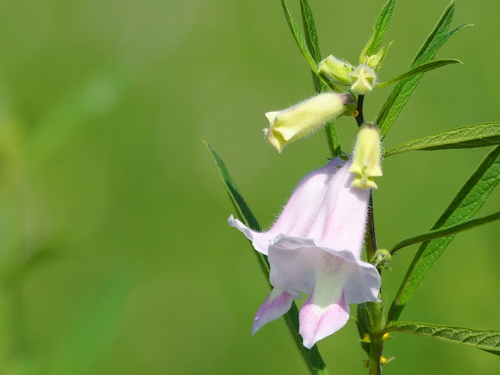
Sesame
Sesamum indicum
In Chinese medicine, black sesame (Sesami Semen Nigrum) is a tonic often prescribed for constipation.
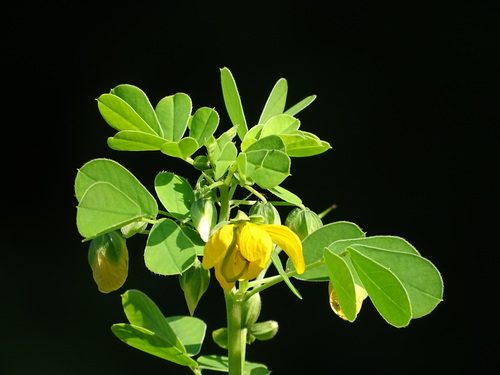
Sickle senna
Senna tora
Cassiae Semen has long been used in Asia as a laxative; its seeds contain laxative anthraquinones. No controlled human trials of S. tora seed for constipation were found.
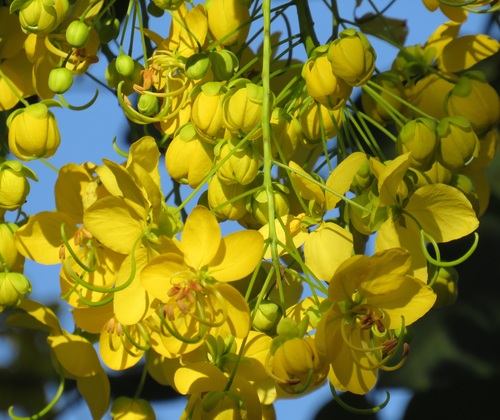
Sjambok pod
Cassia abbreviata
Also used for constipation; the plant contains anthraquinones, the class of laxative compounds found in senna.
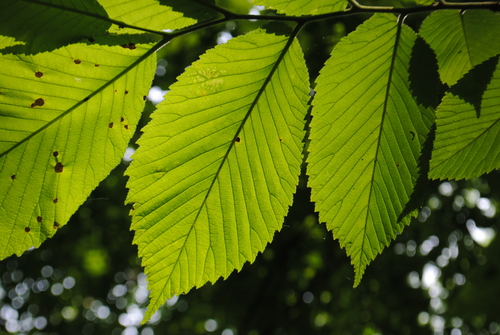
Slippery elm
Ulmus rubra
The Dakota, Omaha, Pawnee and Ponca took a decoction of the inner bark as a laxative, and the Cherokee used it as a mild laxative. Bark tea is still used as a laxative in eastern Kentucky.
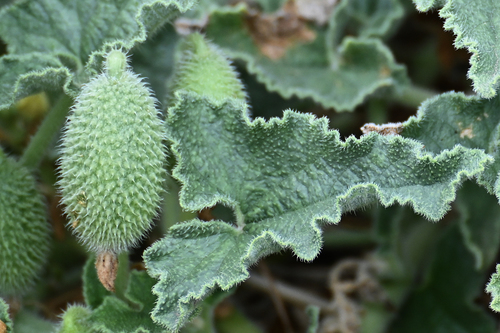
Squirting cucumber
Ecballium elaterium
The dried juice (elaterium) was used as a drastic purgative; the cucurbitacins responsible are heavy purgatives. Not a safe laxative by modern standards.

Sweet violet
Viola odorata
Persian medicine rubs violet oil on the abdomen for constipation it attributes to heat and dryness, and European folk use counts it a laxative.
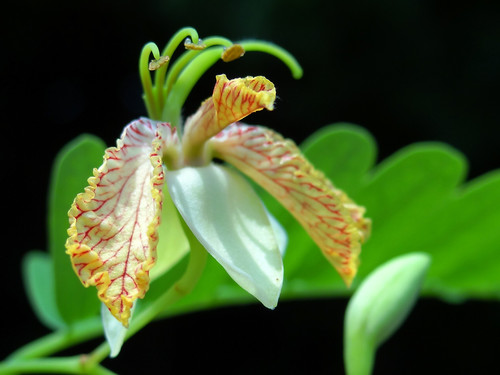
Tamarind
Tamarindus indica
The ripe pulp is widely used as a mild laxative in Asia, Africa and the Americas, and Ayurveda and Unani prescribe it for this. Laxative effects have been studied in animals, not in proper human trials.
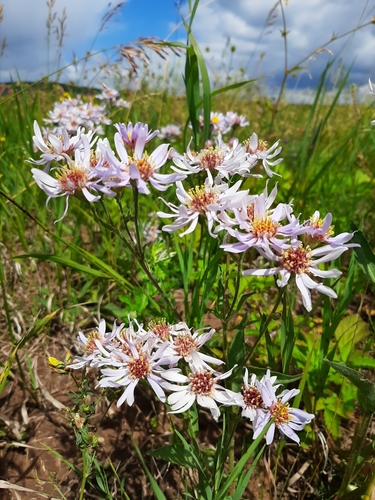
Tatarian aster
Aster tataricus
Older Chinese medical records describe it as relieving constipation and difficult urination; untested.
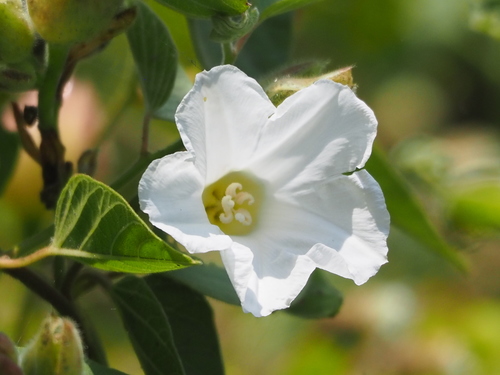
Turpeth
Operculina turpethum
Classed in Ayurveda among the 'ten purgative herbs' and used for virechana, the purging therapy of panchakarma. No controlled trials of its laxative effect in people were found.
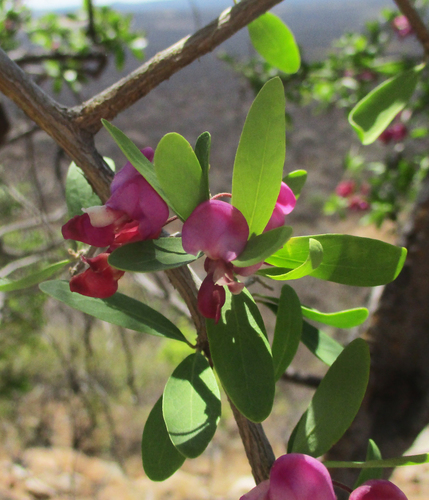
Violet tree
Securidaca longepedunculata
Listed among its traditional African uses.
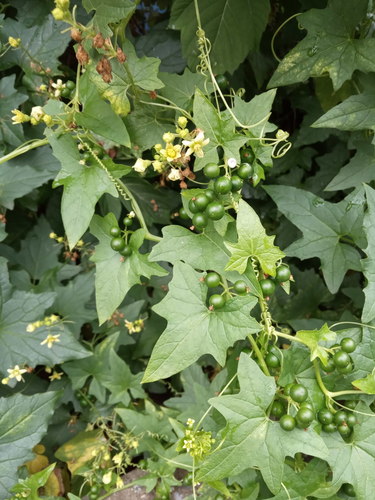
White bryony
Bryonia alba
Historically used as a laxative and cathartic. No trials exist.