Stomach ulcers and gastritis
57 remedies
See a doctor if
Black or bloody stools, vomiting blood, or sudden severe pain.
Reference, not prescription. Nothing here is medical advice. Herbs can interact with medicines and be dangerous in pregnancy; tell your doctor or pharmacist about anything you take.
Limited evidence
LimitedSmall or few trials, mixed results, or mainly lab and animal work.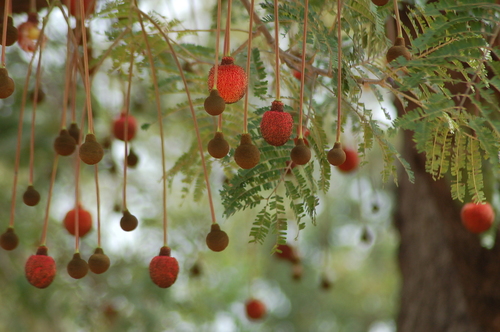
African locust bean
Parkia biglobosa
Bark preparations are used for ulcers and gastrointestinal complaints. Stem-bark extracts protected the stomach in a rat ulcer model, with effects compared with omeprazole.
African yellow wood
Annickia chlorantha
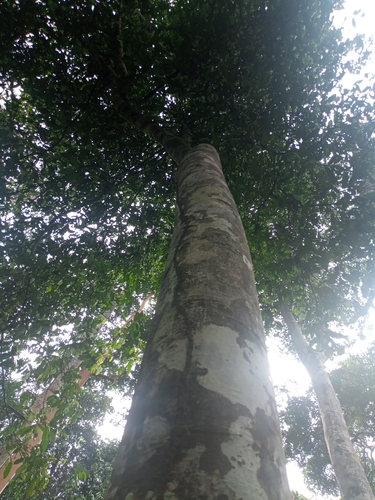
Stem bark is used for stomach problems and gastric and duodenal ulcers. Stem-bark extracts and protoberberine alkaloids were gastroprotective in animal studies.
Ash gourd
Benincasa hispida
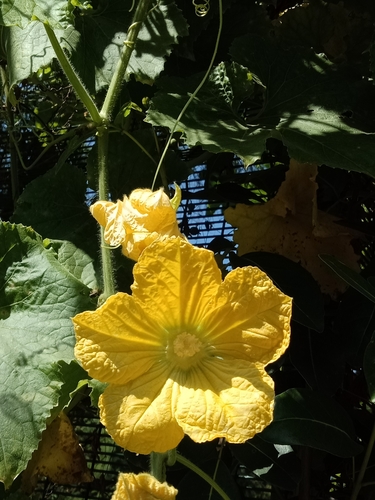
Fresh juice and several extracts reduced experimental gastric ulcers in rodents, and chronic dosing with the juice caused no blood or biochemical changes; no human trials were found.
Bael
Aegle marmelos
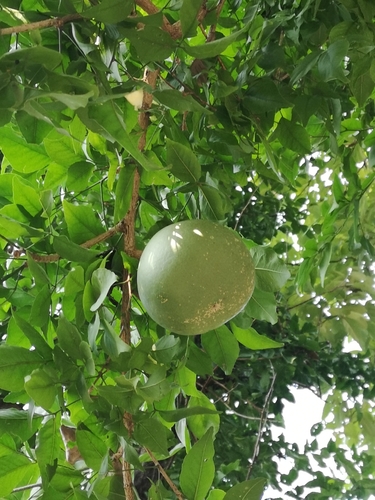
Used for ulcers in Ayurveda; a methanolic extract reduced stomach ulcers in rats. No human trials.

Balm of Gilead
Commiphora gileadensis
An ethanol extract ('Balessan', 250–500 mg/kg) protected rats against experimentally induced gastric ulcers.

Black cardamom
Amomum subulatum
A methanolic extract and its oil and ethyl acetate fractions protected rats against ethanol-induced (but not aspirin-induced) gastric lesions, supporting Unani use of 'Heel kalan' for gastric disorders.

Black nightshade
Solanum nigrum
Extracts reduced experimental gastric ulcers in mice and rats; at 500 mg/kg one extract was as effective as lansoprazole.
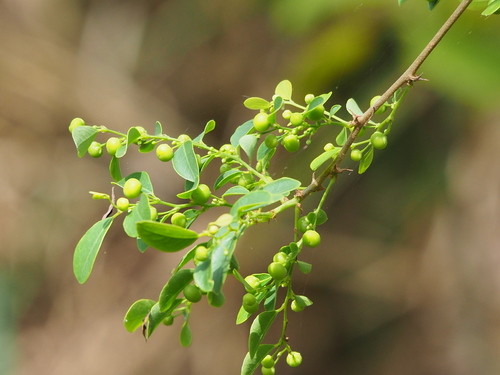
Black-honey shrub
Phyllanthus reticulatus
Used traditionally for gastrointestinal disorders. Extracts (400 mg/kg) protected rats against ethanol-induced stomach ulcers, reducing ulcer scores, acid secretion and TNF-α and IL-8 expression.
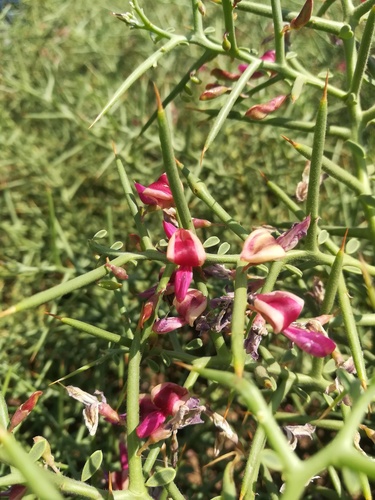
Camelthorn
Alhagi maurorum
Traditionally anti-ulcerogenic; an ethanol extract (100 mg/kg) reduced gastric acid output and protected rats against aspirin-induced gastric injury.
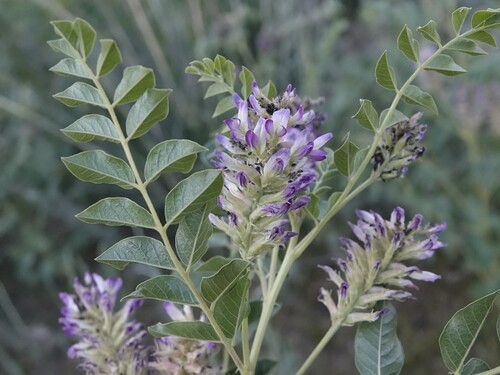
Chinese licorice
Glycyrrhiza uralensis
WHO cites a small study of 15 patients in which oral liquorice root improved peptic-ulcer healing, and a trial in 169 people with chronic duodenal ulcer in which deglycyrrhizinated liquorice (380 mg three times daily) did as well as antacids or cimetidine. Modern ulcer care has moved on, and these studies are old.

Clearing nut
Strychnos potatorum
Used in Indian medicine for 'gastropathy'. Seed powder and water extract prevented aspirin-plus-pyloric-ligation ulcers in rats, reducing acid secretion and raising mucin.

Cochlospermum
Cochlospermum tinctorium
Root infusions are used in Malian traditional medicine for gastric ulcer. A crude root water extract reduced Helicobacter pylori attachment to human gastric cells by 43% in vitro.
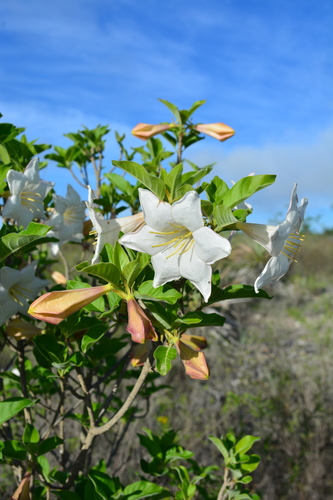
Copalchi
Hintonia latiflora
Stomach complaints are the first recorded use (Florentine Codex). Infusions of bark and leaves protected rats against ethanol-induced stomach injury; no human trials were found.

Cuachalalate
Amphipterygium adstringens
The leading traditional use. Water and methanol bark extracts reduced experimental stomach and duodenal ulcers in rats, in one model comparably to omeprazole; 3-epioleanolic acid and 3α-hydroxymasticadienonic acid are among the active compounds. No human trials were found.

Deodar
Cedrus deodara
Used in Ayurveda for peptic ulcer. In rats, steam-distilled wood oil reduced stomach acid and ulcer scores, and root oil (200 mg/kg) protected the stomach lining without harming liver or kidney.
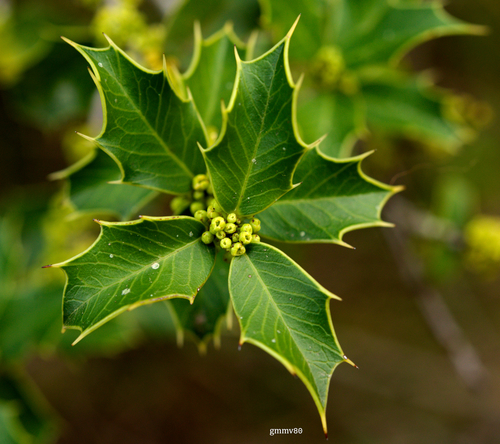
Espinheira-santa
Monteverdia ilicifolia
Water and other extracts protected the stomach lining of rodents against stress, ethanol and indomethacin, with reduced acid secretion. Extracts inhibited Helicobacter pylori in the lab (MIC 64 µg/ml). No human ulcer trials were found.

Fingerroot
Boesenbergia rotunda
Used by communities in Thailand and Indonesia for peptic ulcer. The methanol extract and its compound pinostrobin protected the stomach lining in rats; no human ulcer trials were found.
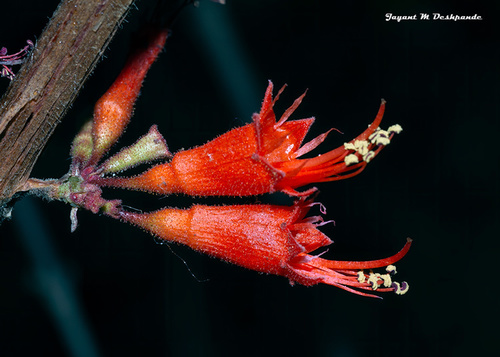
Fire-flame bush
Woodfordia fruticosa
A standardised flower extract protected against stomach ulcers in rats at 31.25–62.5 mg/kg and had earlier shown proton-pump-inhibiting and anti-Helicobacter pylori activity in the lab. The authors called it ready for clinical testing; no human results were found.
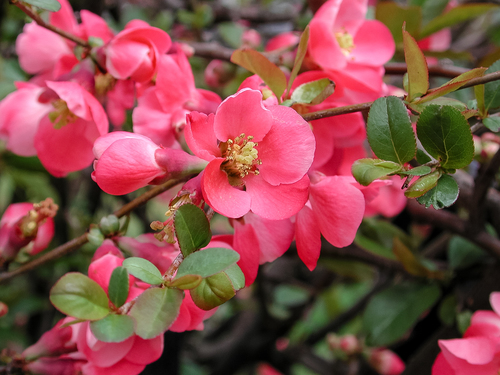
Flowering quince
Chaenomeles speciosa
Tormentic acid, a triterpenoid isolated from the fruit, protected rat stomach lining and cultured gastric cells against injury caused by indomethacin. Lab and animal data only.
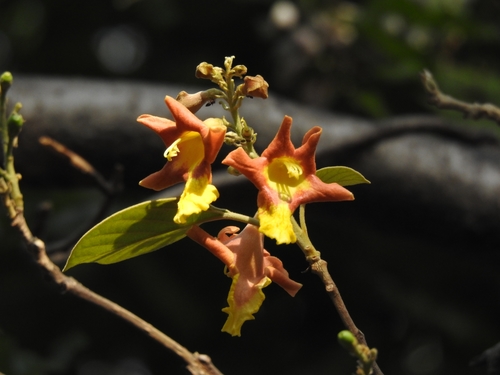
Gamhar
Gmelina arborea
A methanol stem-bark extract (500 mg/kg) prevented about 92% of ethanol-induced stomach ulcers in rats, more than ranitidine, alongside antioxidant changes in the stomach lining. Animal data only.
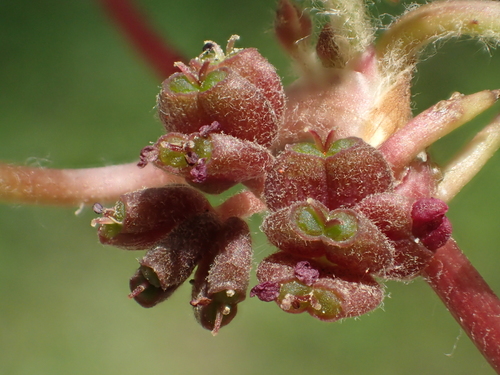
Gotu kola (Indian pennywort)
Centella asiatica
WHO notes extracts have been given orally for stress-induced stomach and duodenal ulcers; evidence is limited to early studies.
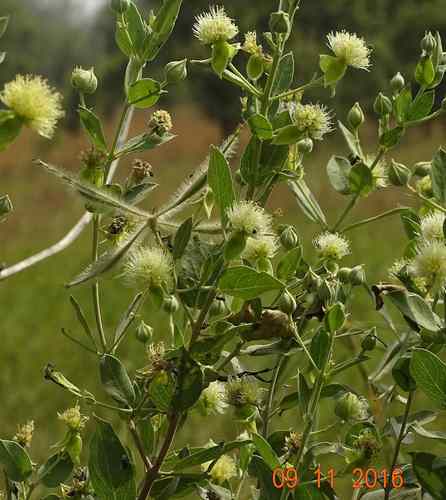
Guiera
Guiera senegalensis
The root extract protected the stomach lining against ethanol-induced ulcers in rats, supporting its Nigerian use for ulcers; untested in people.
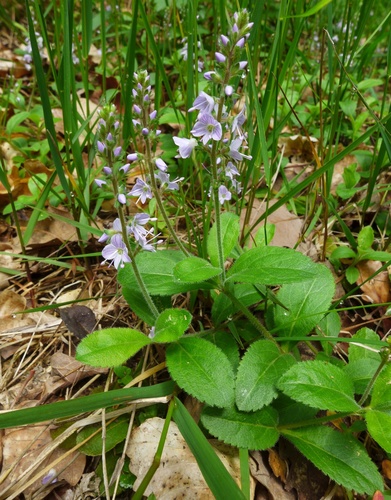
Heath speedwell
Veronica officinalis
Romanian folk use of the decoction for gastric ulcers is supported only by rat studies, in which extracts protected against indomethacin ulcers and sped mucosal healing.
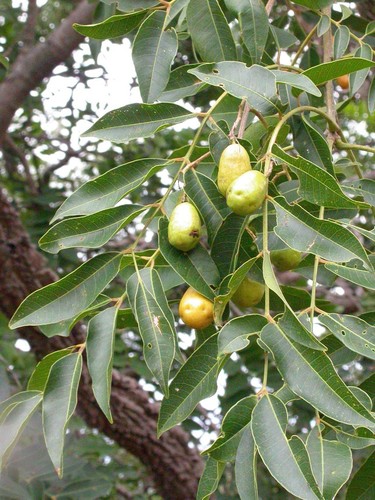
Hog plum
Spondias mombin
Used in folk medicine for gastrointestinal diseases. An ethanolic leaf extract (50–200 mg/kg) reduced ethanol-induced stomach lesions by up to 90% in rodents, lowered acid secretion, increased mucus and inhibited Helicobacter pylori in vitro.
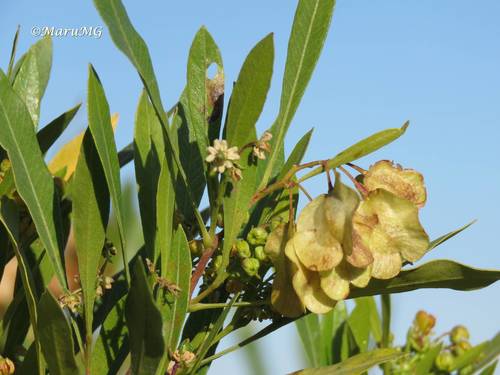
Hopbush
Dodonaea viscosa
Tribes of the Western Ghats of India use it for stomach pain, piles and ulcers. In rats, a hexane leaf extract dose-dependently protected against ethanol- and indomethacin-induced stomach ulcers (up to about 90% at 500 mg/kg) and reduced gastric acid. No human data.
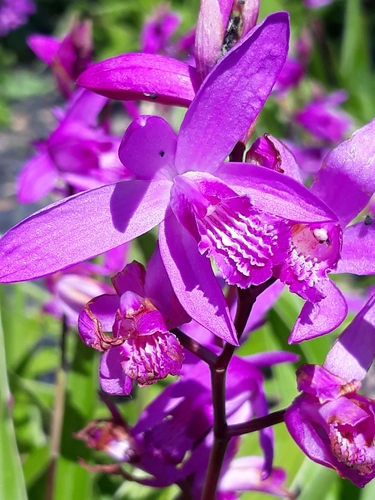
Hyacinth orchid
Bletilla striata
Chinese trials have added Bai ji powder to standard acid-suppressing treatment for peptic ulcer: in one of 68 patients, omeprazole plus 6 g Bletilla powder in capsules gave a higher H. pylori eradication rate (47% vs 18%) than omeprazole alone. The trials are small, published mainly in Chinese, and the reviewers do not assess bias.
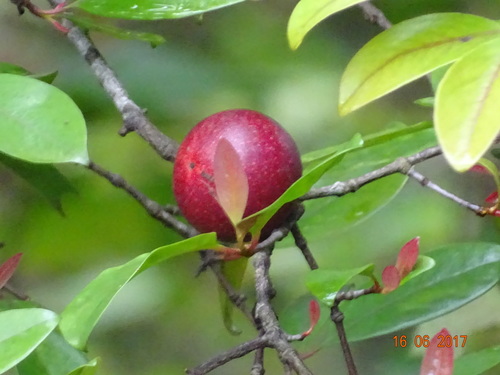
Kokum
Garcinia indica
Garcinol purified from the rind, given by mouth, prevented acute stomach ulcers caused by indomethacin or stress in rats. No human data.

Large-leaf gentian
Gentiana macrophylla
Gentiopicroside protected the stomach lining of mice against ethanol-induced injury (title only); human data are lacking.
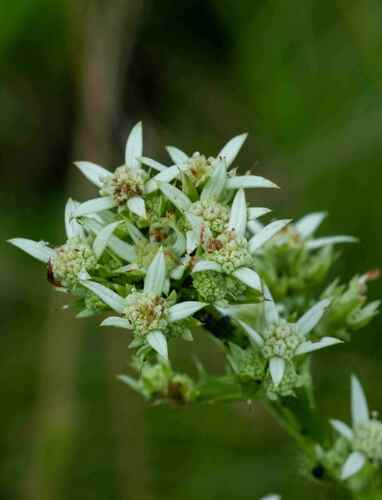
Larger tinsel flower
Alepidea amatymbica
Extracts inhibited clinical strains of Helicobacter pylori, the bacterium behind most stomach ulcers, in the lab (MIC50 0.06–5 mg/ml across the plants tested).
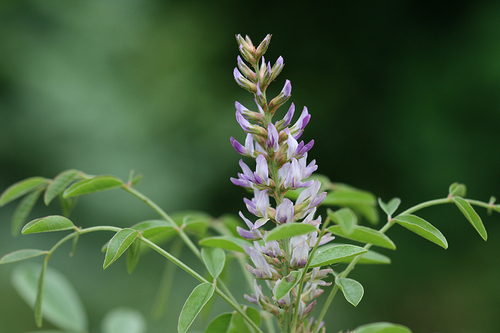
Liquorice
Glycyrrhiza glabra
Commission E approved liquorice for gastric and duodenal ulcers, and a glycyrrhetinic-acid derivative (carbenoxolone) was once prescribed for them. Modern ulcer treatment (acid suppression, H. pylori eradication) has replaced it, and NCCIH finds no high-quality evidence for any condition.
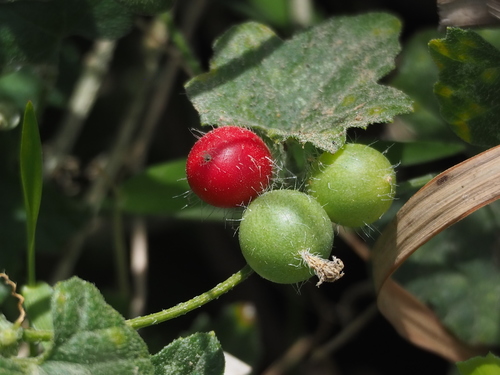
Madras pea pumpkin
Mukia maderaspatana
An ethanol extract reduced indomethacin-induced stomach ulcers and acidity in rats; animal work only.
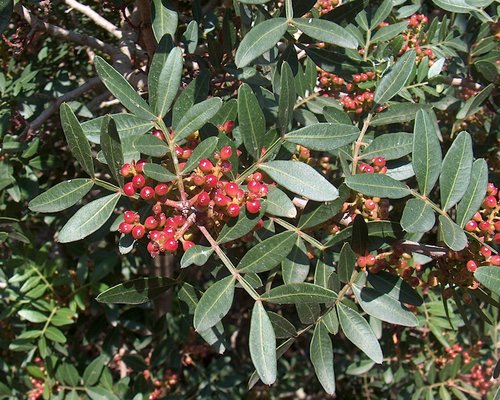
Mastic tree
Pistacia lentiscus
In a 1984 placebo-controlled trial in duodenal ulcer, 1 g mastic daily for 2 weeks was followed by endoscopic healing in 70% vs 22% on placebo, but many patients dropped out. In a small trial against Helicobacter pylori, mastic alone cleared the infection in only about a third of patients.

Neem
Azadirachta indica
MSK notes small human studies suggesting neem may reduce stomach acid; larger trials are needed.

Njansang
Ricinodendron heudelotii
Used in African traditional medicine for gastric ulcers and stomach pain. In rats with ulcers induced by acidified alcohol or indomethacin, a hydroethanolic stem-bark extract (30–300 mg/kg by mouth) lowered the ulcer index, raised gastric pH and preserved the stomach lining, with omeprazole as the comparator. Animal work only.
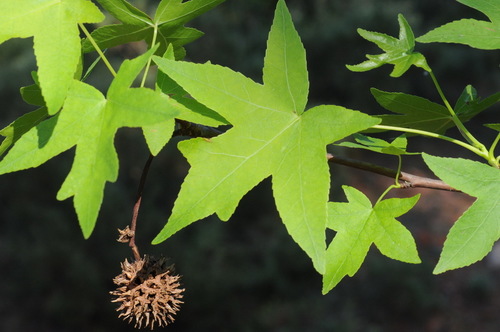
Oriental sweetgum
Liquidambar orientalis
Used for peptic-ulcer symptoms in Turkish folk medicine 'for centuries'. Oral doses of 150 and 300 mg/kg protected the stomach of rats against ethanol-induced ulcers.

Patala
Stereospermum chelonoides
Used traditionally as an antidyspeptic. A methanolic stem-bark extract protected rats against ulcers caused by tying off the stomach outlet. Animal data only.

Pointed gourd
Trichosanthes dioica
Small, uncontrolled Indian studies reported improvement in peptic and duodenal ulcer with Patoladi kashaya formulas (10 and 33 patients) and with patola alone (20 patients; 45% 'excellent' response). None was a randomised trial.

Red mangrove
Rhizophora mangle
Bark extracts protected the stomach lining in rat models of ulcers caused by NSAIDs and other agents. No human studies.
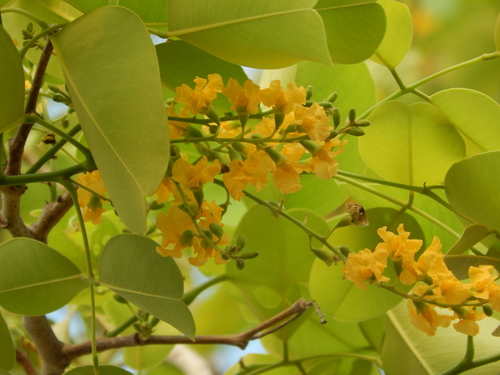
Red sanders
Pterocarpus santalinus
An ethanol extract (200 mg/kg was the lowest effective dose) reduced ibuprofen-induced stomach lesions in rats, with lower acid output and oxidative damage.
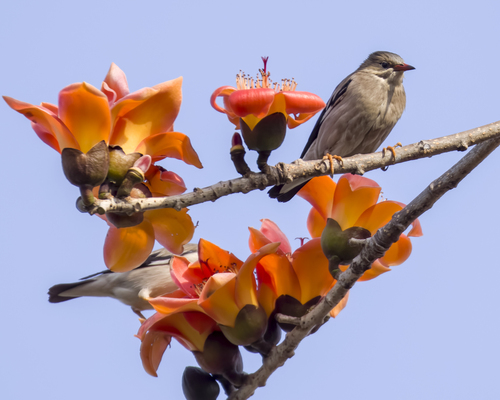
Red silk-cotton tree
Bombax ceiba
The gum is used traditionally for stomach ulcers. Given by mouth to rats (100–400 mg/kg), it reduced gastric juice volume, acidity and ulcer scores in experimental ulcer models.
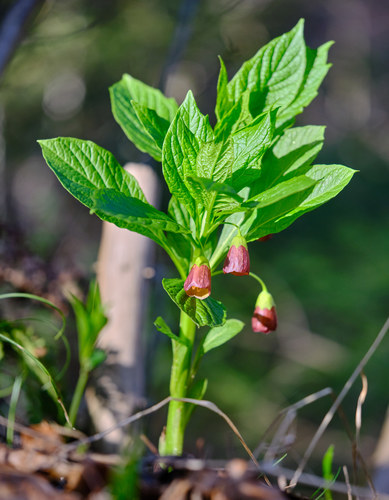
Scopolia
Scopolia carniolica
The same patent-medicine extract is used to reduce gastric acid secretion. The alkaloid content of commercial scopolia extract powder is controlled by Japanese Pharmacopoeia assay methods.
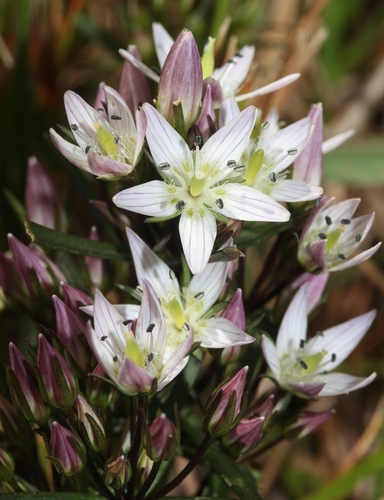
Senburi
Swertia japonica
A methanol extract inhibited Helicobacter pylori, the bacterium behind most stomach ulcers, in the test tube; its constituent swertianolin was active (IC50 6.1 µM, far weaker than amoxicillin at 0.044 µM) and acted synergistically with amoxicillin. Laboratory work only.
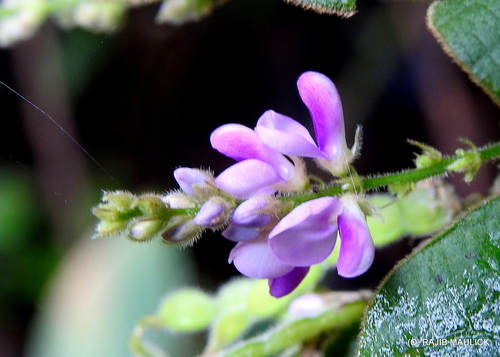
Shalaparni
Desmodium gangeticum
An ethanol extract (200 mg/kg by mouth) protected rats against stomach ulcers caused by stress, aspirin, alcohol and pylorus ligation, and guinea pigs against histamine-induced duodenal ulcers. It cut acid secretion by about 42%. No human studies.
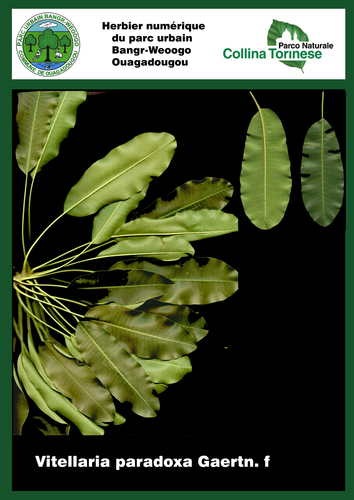
Shea tree
Vitellaria paradoxa
Stem-bark extracts (50% ethanol) protected rat stomachs against ethanol-induced ulcers (about 67% protection) in one study; there are no human trials.
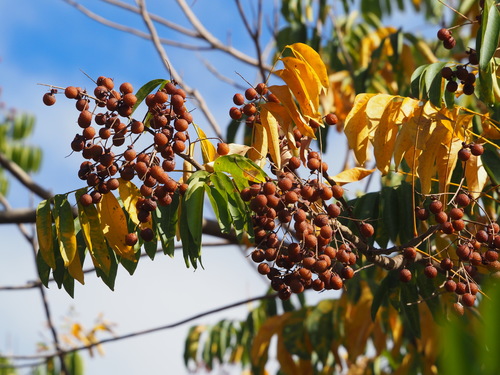
Soapnut
Sapindus mukorossi
Ethanol and chloroform fruit extracts inhibited 30 drug-resistant Helicobacter pylori isolates in vitro and cleared H. pylori infection in rats within 7 days. No human trials.
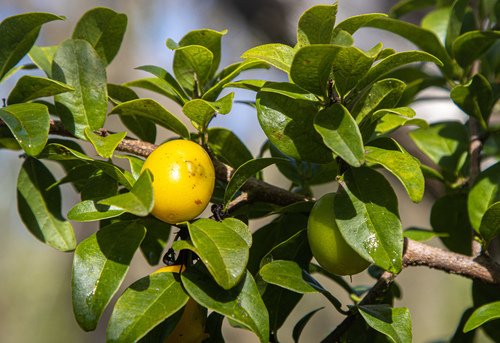
Sour plum
Ximenia americana
Used for gastritis and stomach discomfort in Brazil. Aqueous bark extract (100–400 mg/kg) protected rats against ethanol- and indomethacin-induced gastric lesions (up to 100% inhibition) and reduced acid secretion.
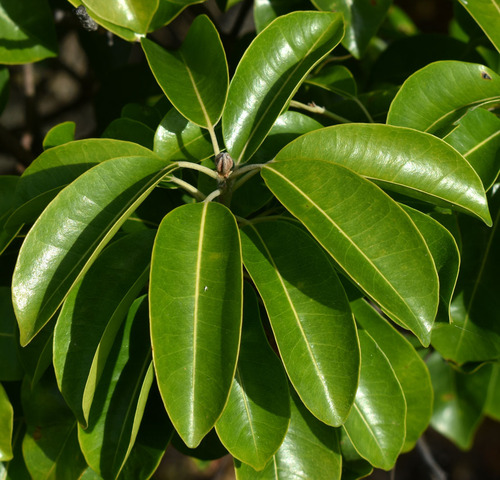
Spanish cherry
Mimusops elengi
Bark extract and its ethyl acetate fraction reduced gastric ulcers in several rat models and lowered acid output; the fraction was non-toxic in mice up to 5,000 mg/kg.
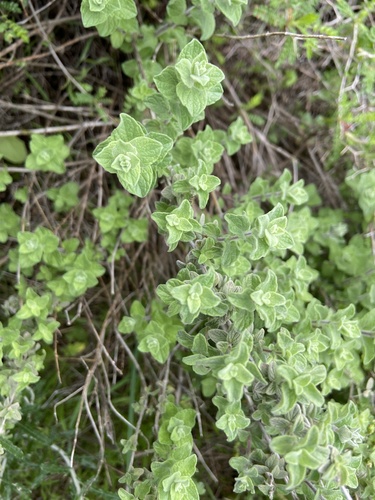
Syrian oregano
Origanum syriacum
An ethanol extract given by mouth reduced ethanol-induced stomach damage in rats, in one prophylactic model comparably to lansoprazole. Animal studies only.
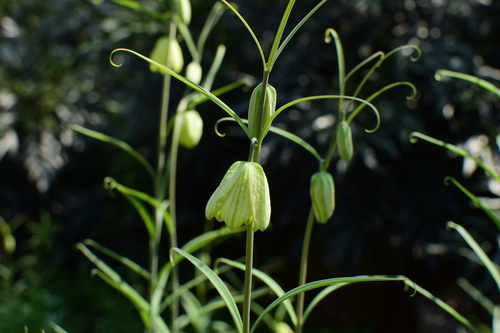
Zhejiang fritillary
Fritillaria thunbergii
Anti-ulcer and anti-diarrhoeal effects were reported in animal studies.
Traditional use
TraditionalLong recorded use, essentially untested in clinical trials.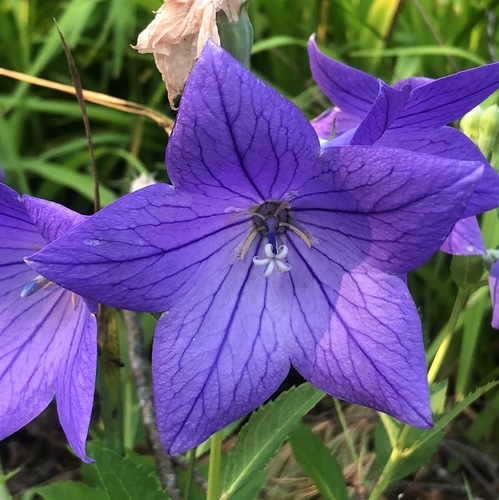
Balloon flower
Platycodon grandiflorus
Used for peptic ulcers and mouth inflammation; platycodins reduced gastric secretion and ulcers in rats only.
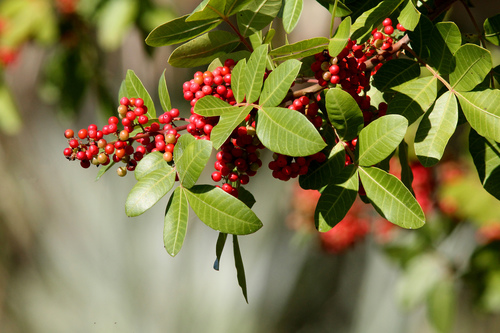
Brazilian peppertree
Schinus terebinthifolia
Folk anti-ulcer use; an official Brazilian tablet preparation is listed for this purpose. Evidence is preclinical.
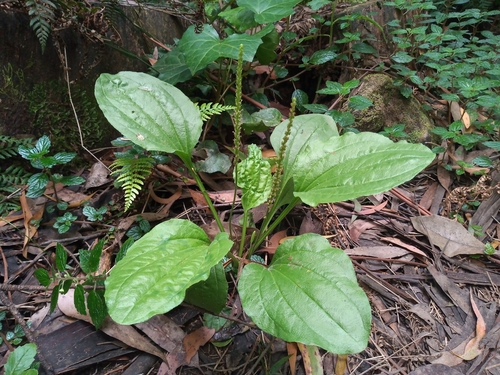
Broadleaf plantain
Plantago major
In Turkey powdered leaves are taken with honey before breakfast for stomach ulcers; anti-ulcer activity has been seen only in animal studies.
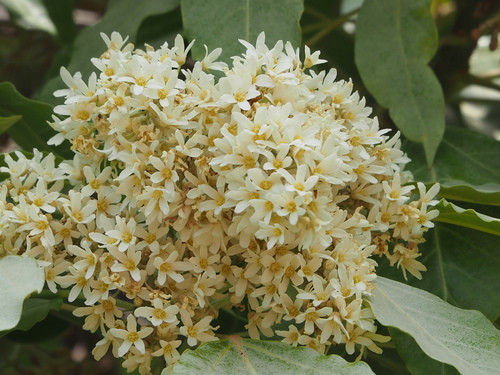
Candlenut
Aleurites moluccanus
Folk use of the leaves for gastritis and gastric ulcer.
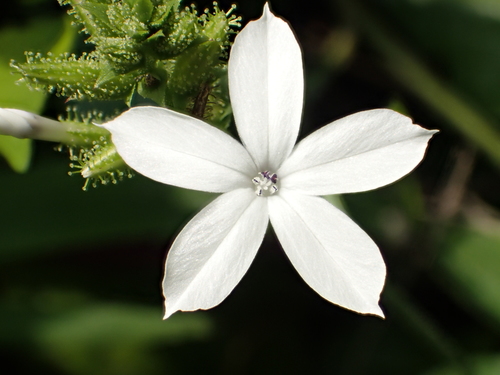
Ceylon leadwort
Plumbago zeylanica
Haya healers in Tanzania give a decoction for peptic ulcer; a root extract protected against gastric ulcers in an animal model.

Chaga
Inonotus obliquus
Used in folk medicine for gastritis and ulcers; a chaga extract was used in the Soviet Union for gastric complaints. No controlled trials exist.
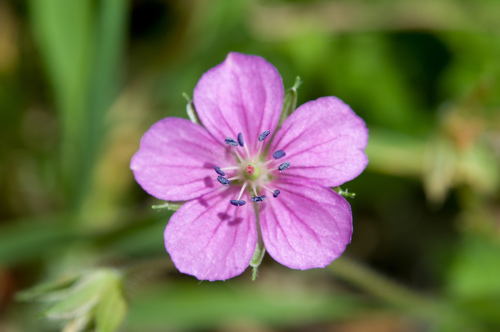
Gennoshoko
Geranium thunbergii
Described as a traditional East Asian medicine for stomach diseases including stomach ulcers and, as a tea, to prevent gastritis; only cell and animal studies exist.

Sangre de grado
Croton lechleri
Taken by mouth in folk medicine for stomach and intestinal ulcers; supported only by animal studies.