Intestinal worms
99 remedies
See a doctor if
Treat with proven anthelmintic medicines; see a clinician.
Reference, not prescription. Nothing here is medical advice. Herbs can interact with medicines and be dangerous in pregnancy; tell your doctor or pharmacist about anything you take.
Limited evidence
LimitedSmall or few trials, mixed results, or mainly lab and animal work.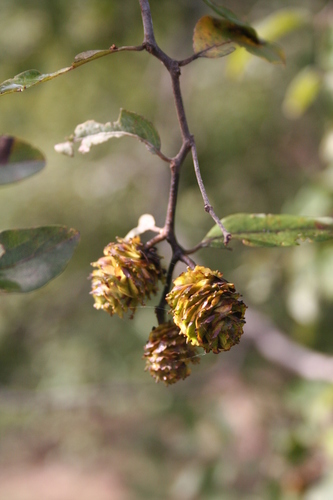
African birch
Anogeissus leiocarpa
Used against helminths by traditional healers and livestock keepers. In artificially infected sheep, leaf powder cut Haemonchus contortus egg output by about 88% and adult worms by about 63%, less than albendazole (100%). No human studies.
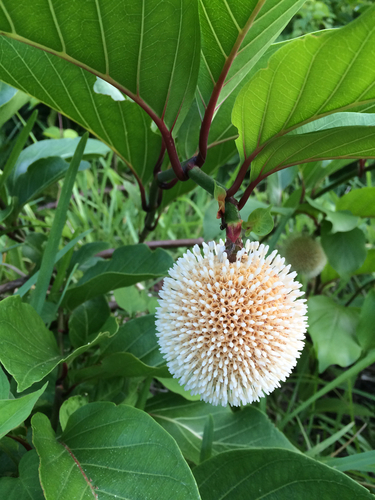
African peach
Sarcocephalus latifolius
Fulani herders in Nigeria use the leaf to deworm animals; two leaf alkaloids, vincosamide and strictosamide, killed Haemonchus worms in vitro without harming mammalian cells below 200 µg/ml.
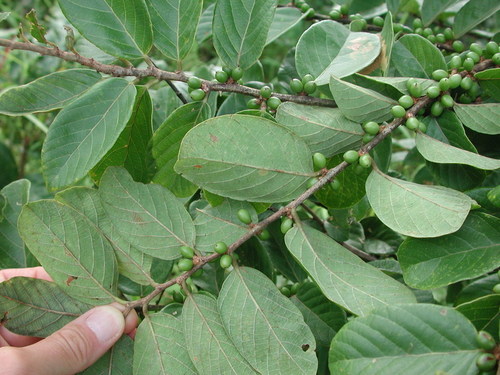
Bridelia
Bridelia ferruginea
Bark is used as a vermifuge and, in Congo, for roundworm; aqueous bark extract paralysed and killed earthworms in vitro, more slowly than piperazine.
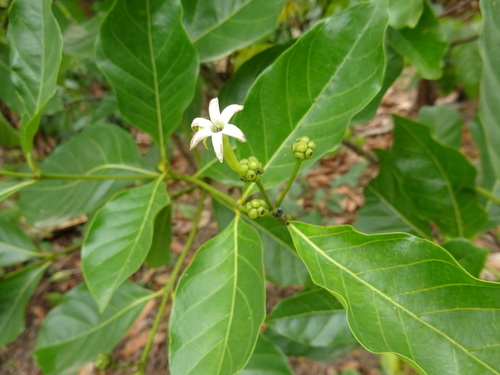
Brimstone tree
Morinda lucida
Used against intestinal parasites; leaf extracts killed nematodes (Haemonchus contortus, C. elegans) in the laboratory.
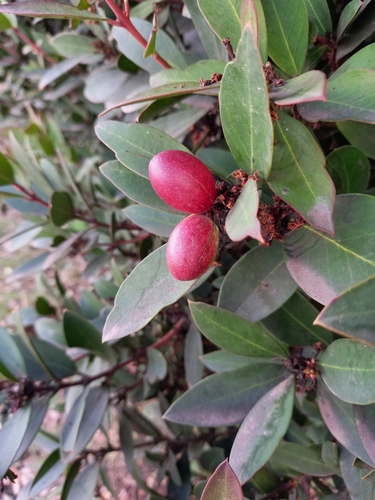
Bushman's poison
Acokanthera oppositifolia
Batswana farmers give a leaf decoction to livestock for internal parasites; leaf extracts were active against the nematode C. elegans in vitro.
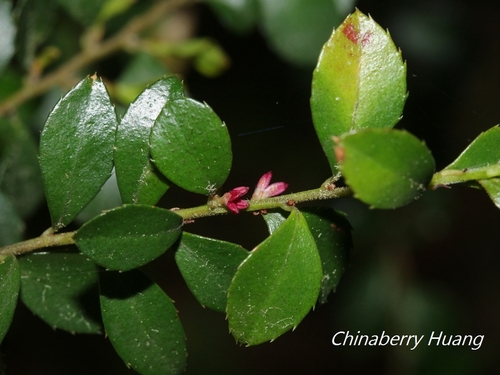
Cape myrtle
Myrsine africana
Fruits and seeds are a traditional anthelmintic, used in Ethiopia for childhood ascaris and in Kenya for helminthosis. However, tests in sheep at 50 g and 125 g per animal found no significant activity against Haemonchus contortus; no human studies.
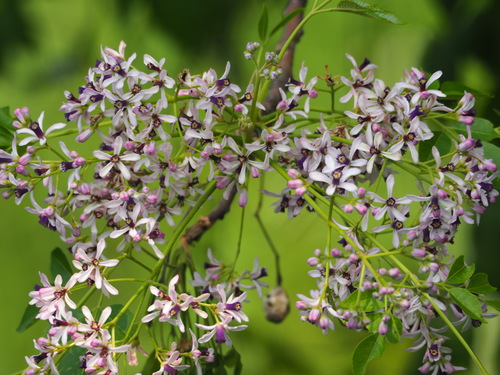
Chinaberry
Melia azedarach
Used in Chinese medicine since the Shen Nong Ben Cao Jing for 'destroying parasites' and recorded as Ascaris-repellent; its limonoid toosendanin has been a clinical anti-Ascaris drug in China since the 1950s. King's American Dispensatory (1898) called the root bark anthelmintic and widely used in the US South. Poisoning risk is high.
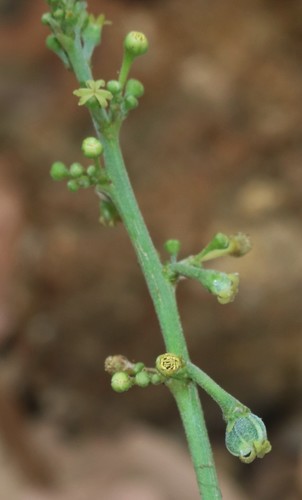
Danti
Baliospermum montanum
Ayurveda describes the root as anthelmintic. Alcohol and water extracts paralysed and killed earthworms and roundworms from fowl in the lab at 100 mg/ml, a crude screening test only; no human studies were found.
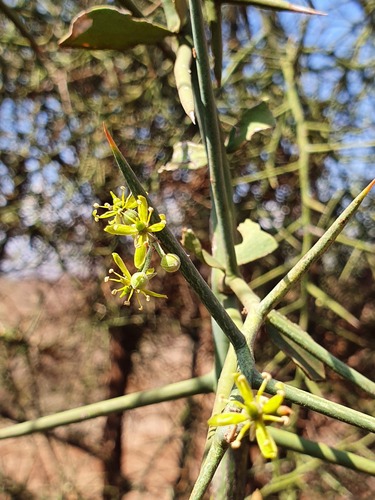
Desert date
Balanites aegyptiaca
Seeds are widely used in African human and veterinary medicine against intestinal parasites, and parts of the tree are also used for bilharzia. Aqueous seed extracts killed Heligmosomoides larvae and C. elegans in the laboratory, with the saponin balanitin-7 proposed as the active agent; no human trials.
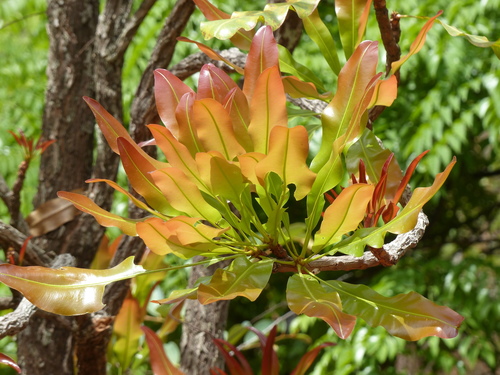
Dwarf red ironwood
Lophira lanceolata
Leaf and bark extracts killed the cattle filarial worm Onchocerca ochengi and the nematode C. elegans in the lab, and extracts reduced egg hatching and larval movement of the mouse gut worm Heligmosomoides polygyrus. The authors present this as support for healers' use against worms; there is no clinical testing.
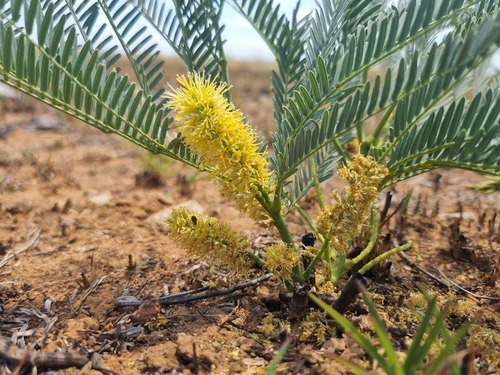
Elephant's root
Elephantorrhiza elephantina
Used for gastrointestinal parasites in livestock. Aqueous root extracts stopped egg hatching and larval development of the sheep nematode Haemonchus contortus in the lab, comparable to albendazole. No human data.

Enkoko
Embelia schimperi
A commonly consumed anthelmintic in Ethiopia, used above all for tapeworm. In surveys it scored the maximum fidelity level (100%) for tapeworm among Oromo informants in Kofale, and it is used for tapeworm in northeast Ethiopia. Fruit extracts have shown anthelmintic activity in experimental studies, but no controlled human trials were found.
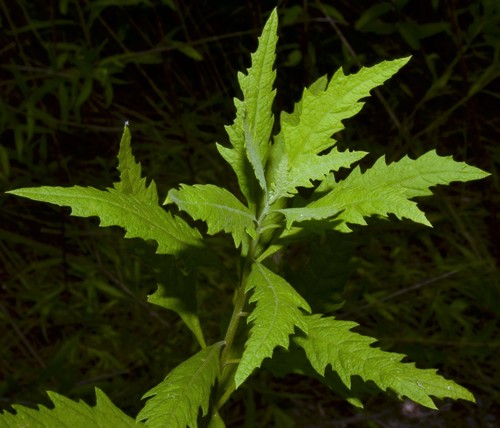
Epazote
Dysphania ambrosioides
In a 2001 randomised trial in 60 children in Huaraz, Peru, paico juice (1–2 ml/kg for 3 days) cleared Ascaris eggs in 86.7% of children, the same rate as a single dose of albendazole, and also cleared dwarf tapeworm (Hymenolepis nana); adverse effects occurred in 23.3% in both groups. In the Dominican Republic and elsewhere it has been used against intestinal worms for centuries. Lab studies attribute the effect mainly to ascaridole.

False abura
Mitragyna inermis
Leaves are widely used in West African veterinary medicine against stomach worms of sheep and goats; the authors of a lab study measured anthelmintic activity of leaf extracts. No human data.
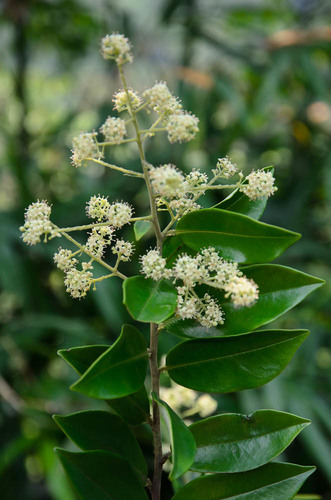
False black pepper
Embelia ribes
A 2022 review reports clinical trials in children with roundworm (Ascaris) in which an alcoholic fruit extract cleared eggs from the stool in 80% of cases and an aqueous extract in 55%, without reported side effects, and further use against tapeworm and giardia with single doses of up to 8 g. The original trials are old and their design is not described in detail.
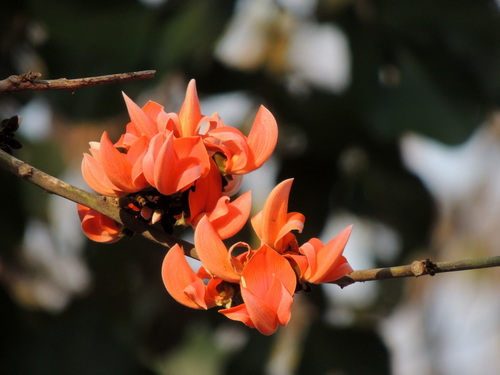
Flame of the forest
Butea monosperma
The seed is an Ayurvedic and folk anthelmintic. Crude seed powder given to sheep with gut roundworms (1–3 g/kg) cut faecal egg counts by up to 78.4% after 10 days, against 99.1% for the drug levamisole. Palasonin has been identified as the active principle of the seeds. No human trials were found, and the seeds are toxic.

Flixweed
Descurainia sophia
Listed as an anthelmintic in Persian sources. A seed extract given for 7 days cleared dwarf tapeworm (Hymenolepis nana) infection in mice. No human data.
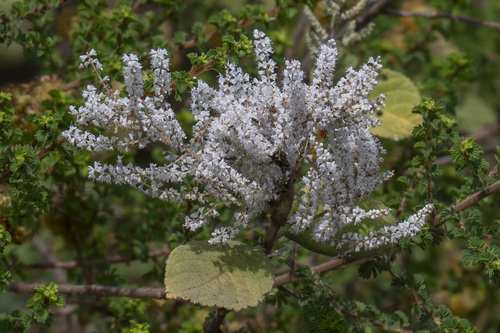
Ginger bush
Tetradenia riparia
Used by Rwandese people for worm infections. The leaf diterpene 8(14),15-sandaracopimaradiene-7α,18-diol killed the model nematode C. elegans in vitro (IC50 5.4 µg/ml).
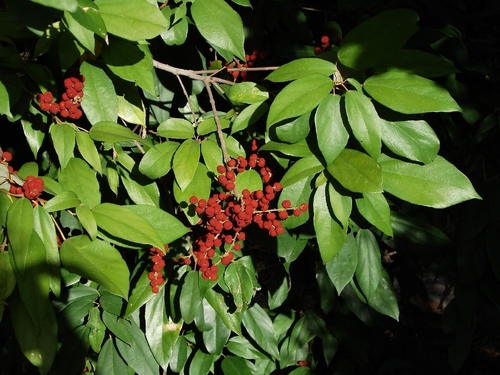
Kamala tree
Mallotus philippensis
Ayurveda uses kamala with milk or curd to expel tapeworms. Kamala resin killed tapeworms in rats (36% and 78% at 60 and 120 mg/kg), fruit extract cured rats of Hymenolepis diminuta, and powdered fruit was effective against gut tapeworms in Beetal goats. No controlled human trials were found.
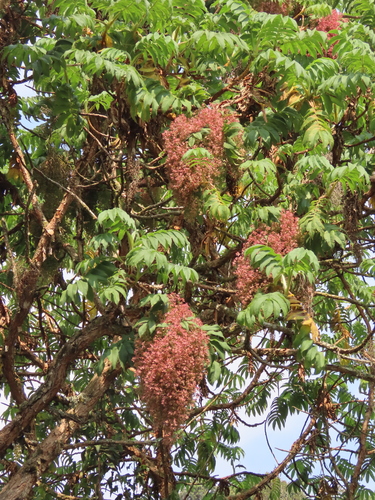
Kosso
Hagenia abyssinica
Ethiopian healers give powdered female flowers to expel tapeworms. In a comparative study of 33 traditional anthelmintic plants in volunteers with beef tapeworm (Taenia saginata), kosso ranked among the most effective for dose and expulsion time. No modern randomised trials exist; reviewers call for trials before it can be recommended.
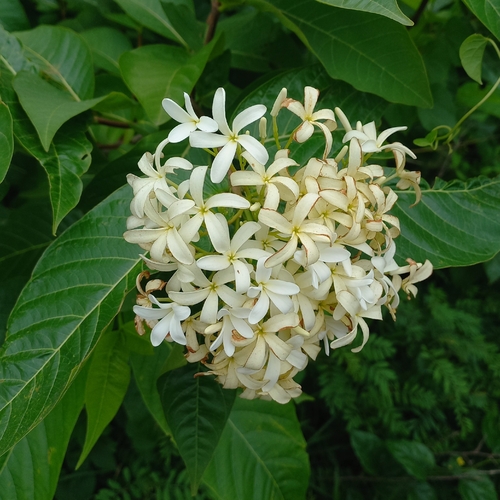
Kurchi
Holarrhena pubescens
Used for intestinal parasites in traditional Indian medicine; a stem bark extract was active against poultry tapeworms (Raillietina) in laboratory studies.
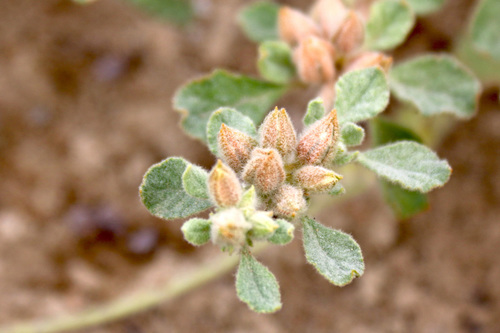
Lotus sweetjuice
Glinus lotoides
Repeatedly recorded in Ethiopian ethnobotanical surveys as a tapeworm remedy, with 100% fidelity among informants in one district. Seed extracts showed taenicidal activity against Taenia saginata in vitro and against the dwarf tapeworm Hymenolepis nana in vitro and in animals. No published human trials were found.
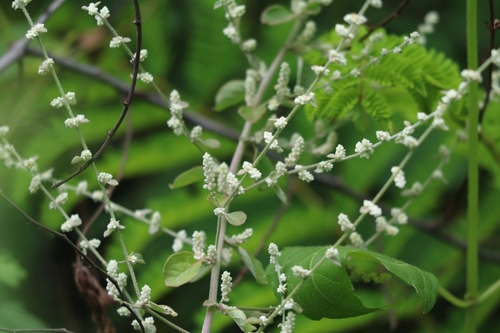
Mountain knotgrass
Aerva lanata
Used as a vermifuge for children in Sri Lanka. An ethanolic extract was more active than albendazole against a tapeworm and an earthworm in a laboratory test. There are no human data.
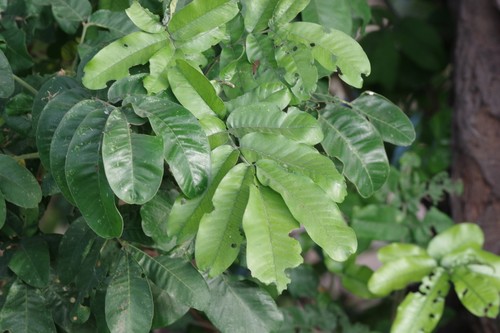
Natal mahogany
Trichilia emetica
Bark or root decoctions are used for intestinal worms and tapeworm. In a screen of South African plants used for urinary schistosomiasis, T. emetica extract killed schistosomula of Schistosoma haematobium in vitro. Laboratory work only.

Papaya
Carica papaya
In a pilot trial in 60 Nigerian children, an elixir of dried papaya seeds with honey cleared intestinal parasites from stools in 77% vs 17% with honey alone, with no harmful effects reported.

Purple fleabane
Baccharoides anthelmintica
Tribes in Odisha, India, give the seeds to children as a worm remedy. Seed and whole-plant extracts were active against the ruminant stomach worm Haemonchus contortus in vitro and in vivo (including in buffaloes), and an extract reduced movement and survival of the filarial worm Setaria cervi ex vivo. No human trials.

Rangoon creeper
Combretum indicum
The fruit is used in Chinese medicine for 'killing parasites', and leaf and root extracts were used as anthelmintics. Seed extracts killed ascarids and flukes in laboratory tests and leaf extracts were active against earthworms; no clinical trials were found.
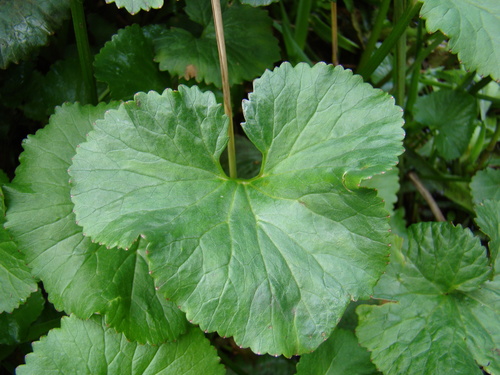
River pumpkin
Gunnera perpensa
Used against intestinal worms in people and animals in Lesotho and South Africa. In village chickens an aqueous leaf extract reduced Heterakis gallinarum egg counts by 71–100%.

Voacanga
Voacanga africana
Alkaloids isolated from the stem bark (voacangine, voacamine and others) stopped the movement of microfilariae and adult male worms of Onchocerca ochengi, a cattle relative of the river-blindness parasite, in the laboratory (IC50 about 2.5–18 µM). There is no animal or human testing.

White wormwood
Artemisia herba-alba
Used in folk medicine as an anthelmintic; a 2020 study reports in vitro anthelmintic activity of crude extracts against the sheep stomach worm Haemonchus contortus (title only seen).
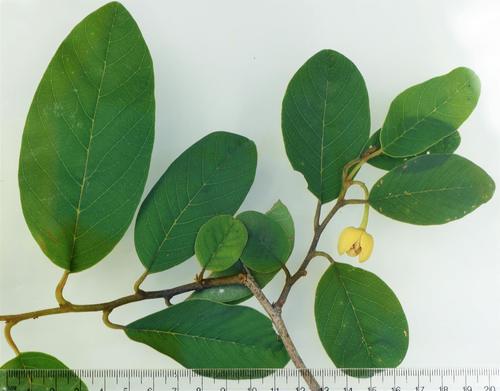
Wild custard apple
Annona senegalensis
Nigerian livestock farmers and traditional veterinary healers use it as a dewormer. Extracts reduced hatching of Haemonchus contortus eggs and larval recovery in faecal culture, especially with ground whole plant, and aqueous extracts killed Onchocerca ochengi filarial worms in the test tube.

Wild dagga
Leonotis leonurus
Used for intestinal worms, constipation and digestive problems. A leaf diterpenoid, leoleorin C, had only moderate activity against a free-living lab nematode.
Traditional use
TraditionalLong recorded use, essentially untested in clinical trials.
Abalo
Brucea antidysenterica
Roots, fruits and bark, and leaf powder taken with water, are used for intestinal worms in Ethiopian folk medicine.
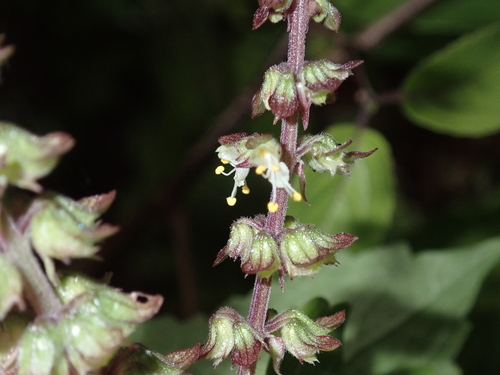
African basil
Ocimum gratissimum
Used against gastrointestinal worms in people and animals (Sofowora, Nigeria).

African moringa
Moringa stenopetala
Healers in southern Ethiopia add leaf powder to meals for 7 days against intestinal worms. Flowers are also used for worms.

African potato
Hypoxis hemerocallidea
Traditionally used for intestinal parasites, urinary infections, barrenness, impotence, bad dreams and 'insanity'.

Ammoniac
Dorema ammoniacum
Most of the Persian texts recommend it against intestinal worms; Iranian folk medicine also uses it as an anthelmintic.

Areca nut
Areca catechu
Used against intestinal parasites in traditional Chinese and South Asian medicine. Its alkaloid arecoline (as arecoline hydrobromide) was once widely used to treat tapeworm in dogs, but doses that worked caused vomiting and convulsions, and it is now essentially no longer used as a dewormer.

Atis
Aconitum heterophyllum
The tubers are used for worm infestations in Himalayan traditional medicine.
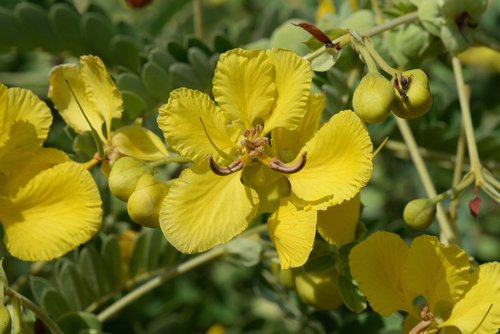
Avaram
Senna auriculata
Tender fruits are Krimihara (anthelmintic) in the Kaiyadeva Nighantu, and the fruits are used for worm infections in Indian folk medicine.
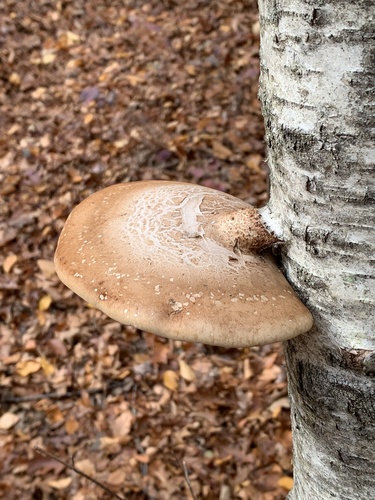
Birch polypore
Fomitopsis betulina
The tea was a folk antiparasitic remedy, and the fungus contains agaric acid, which is toxic to whipworm (Trichuris trichiura). It has been speculated that Ötzi the Iceman carried it as a laxative to expel whipworm; this is conjecture.
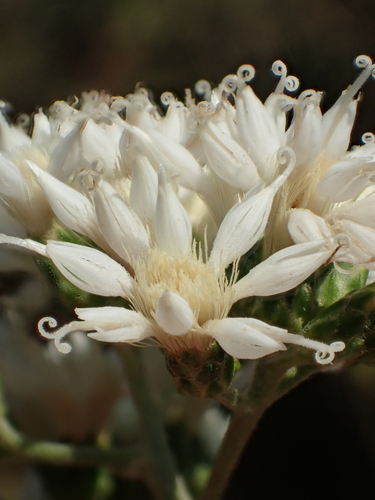
Bitter leaf
Gymnanthemum amygdalinum
Used in African folk medicine against intestinal worms. Chimpanzees in the Mahale Mountains, Tanzania, ingest the pith when suffering parasite-related illness, and its sesquiterpene lactones and steroid glycosides showed antiparasitic activity in laboratory tests; there are no human trials.
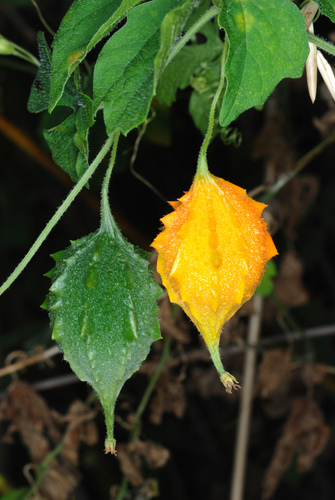
Bitter melon
Momordica charantia
Among the traditional uses WHO records, with anaemia, arthritis, colds, fever, gout, kidney stones, peptic ulcers and stomach ache; none has been tested clinically.
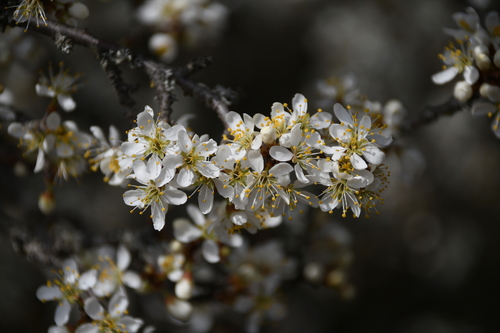
Blackthorn
Prunus spinosa
The flowers are recorded as a traditional vermicide.
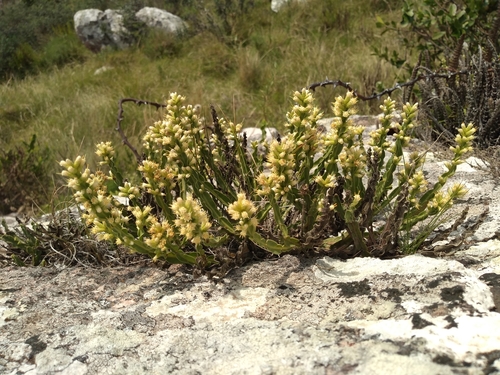
Carqueja
Baccharis crispa
The most frequently reported native species in Brazilian ethnopharmacological books for treating intestinal worms; clinical confirmation is lacking.
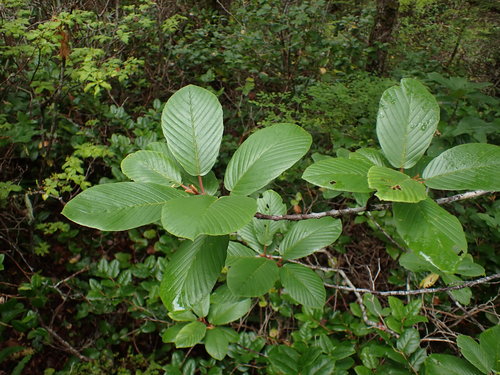
Cascara sagrada
Frangula purshiana
Hesquiat people of Vancouver Island gave children bark decoction, infusion or chewed bark for worms; no clinical testing.
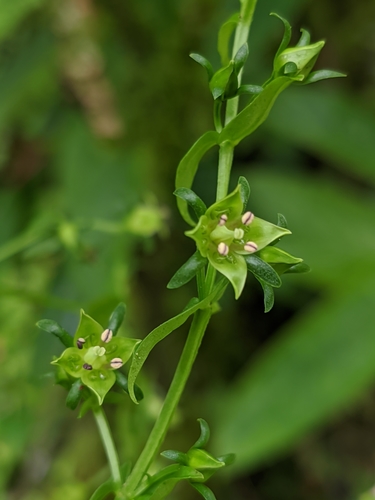
Chiretta
Swertia chirayita
Decoctions are used against intestinal worms.
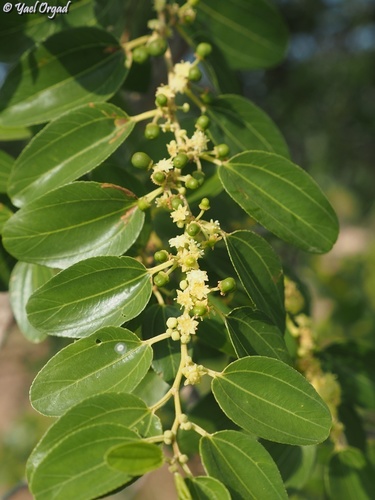
Christ's thorn jujube
Ziziphus spina-christi
Fruit, seed or leaf infusions are used as an anthelmintic by Arabs, Bedouins and Iraqi Jews and in Morocco.

Costus
Dolomiaea costus
Unani medicine employs the root as an anthelmintic; no clinical studies found.

Durian
Durio zibethinus
The flesh is said to act as a vermifuge; this rests on folk report only.
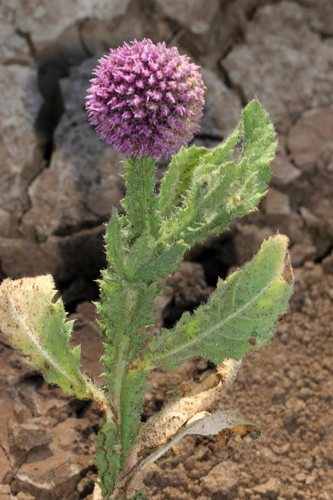
East Indian globe thistle
Sphaeranthus indicus
Seeds and roots are recorded as anthelmintic and stomachic; no clinical testing found.
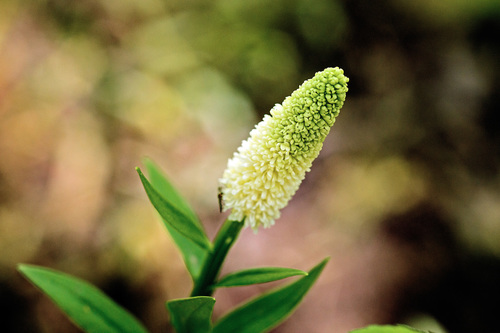
False unicorn root
Chamaelirium luteum
Described as vermifuge in King's American Dispensatory; no modern testing found.

Fever bush
Dicoma anomala
The root is recorded as a treatment for intestinal worms in Lesotho, Malawi and South Africa.
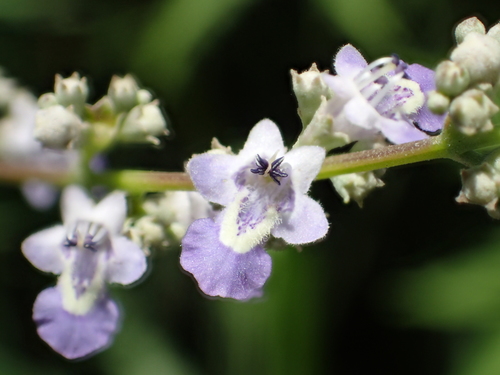
Five-leaved chaste tree
Vitex negundo
In Indian folk medicine, decoctions of the root are used against intestinal worms.
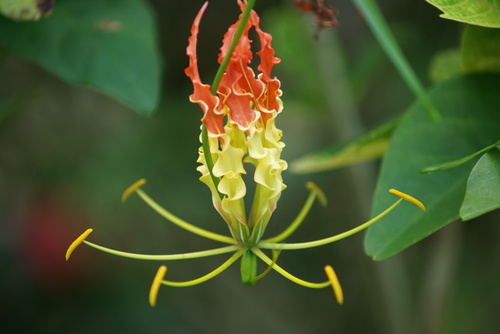
Flame lily
Gloriosa superba
Folk medicine in tropical Africa and Asia records it as a remedy against worms and parasites. There are no clinical studies.
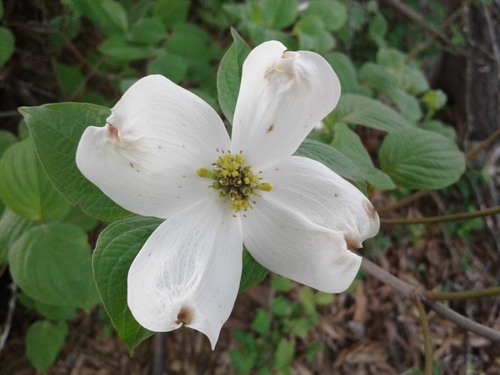
Flowering dogwood
Cornus florida
Cherokee healers gave children an infusion of the bark for worms and also used it as a bath. A compound infusion of bark and root was used for childhood illnesses such as worms and measles.

Galbanum
Ferula gummosa
Iranian ethnobotanical surveys record it as an anthelmintic and for liver cysts. Not clinically tested.
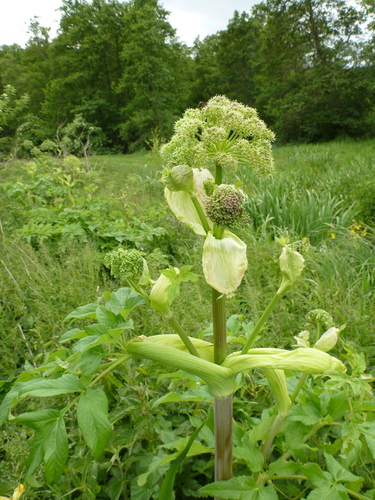
Garden angelica
Angelica archangelica
Recorded among Nordic folk de-worming plants (seeds and root, for people and horses); no scientific validation.
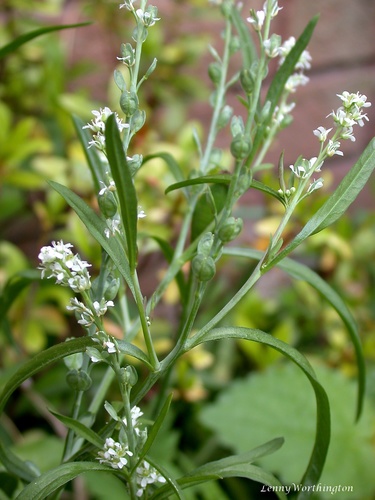
Garden cress
Lepidium sativum
In Ethiopia the macerated seeds are taken with injera for intestinal worms, nausea and vomiting, cramps and poor appetite. Not tested clinically.
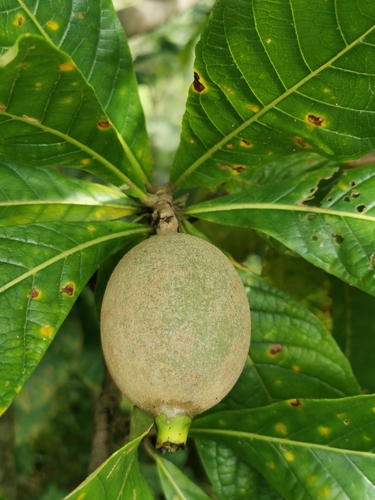
Genipap
Genipa americana
Pataxó Hãhãhãi people in Bahia, Brazil, take a decoction of the fruit for worms; reviews also list anthelmintic activity in laboratory work. No clinical trials.

Grains of paradise
Aframomum melegueta
Identified in Togo as a plant traditionally used for helminth infections; extracts paralysed and killed adult Taenia tapeworms in the laboratory. No human studies.

Grains of Selim
Xylopia aethiopica
Identified in Togo as traditionally used for helminth infections; fruit extract fractions paralysed Taenia tapeworms in the laboratory.
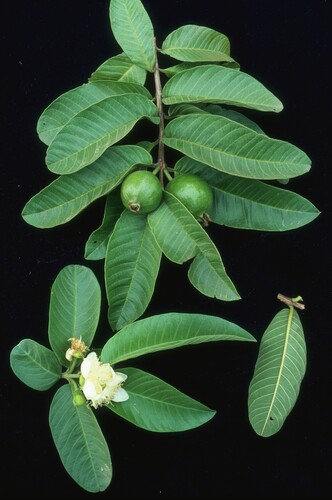
Guava
Psidium guajava
WHO lists traditional use for worms, abdominal pain, cough, bleeding gums, wounds, ringworm and vaginitis. These uses have not been tested clinically.
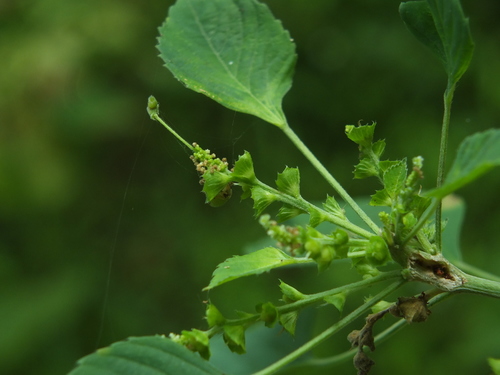
Indian acalypha
Acalypha indica
In South and Southeast Asia the leaves are eaten fresh or cooked as an anthelmintic, among other uses. No clinical evidence.
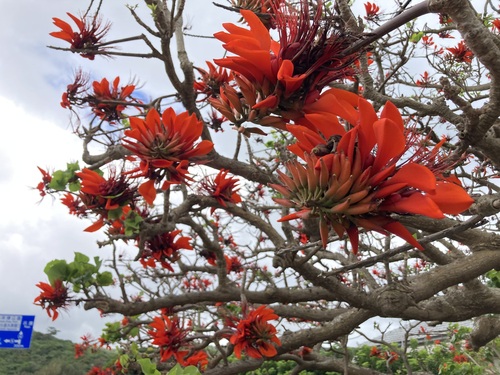
Indian coral tree
Erythrina variegata
In India the leaf juice is mixed with honey and taken for tapeworm, roundworm and threadworm, according to a 2010 review; isoflavonoids from the plant showed anthelmintic activity in the lab. No human trials were found.
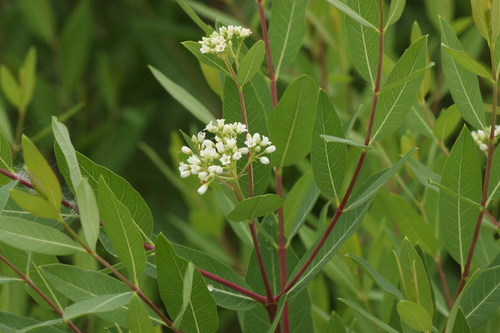
Indian hemp
Apocynum cannabinum
Menominee, Mi'kmaq and Penobscot people took root decoctions or infusions to expel worms. Not tested clinically.

Ipecacuanha
Carapichea ipecacuanha
WHO records traditional use against parasites; emetine has anti-amoebic and anthelmintic activity, but it is no longer used because of toxicity.
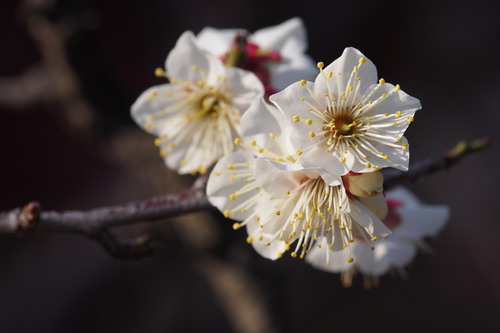
Japanese apricot
Prunus mume
Used in TCM for vomiting and abdominal pain from roundworm (Ascaris) infection, notably in the formula wu mei wan; no modern trials.
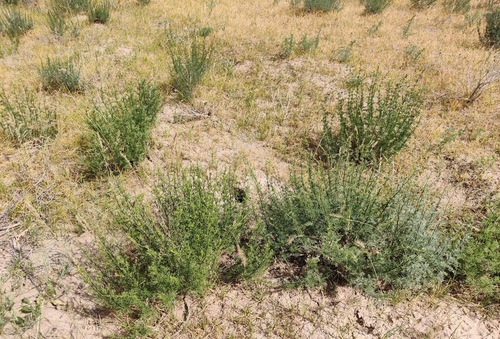
Levant wormseed
Artemisia cina
Santonin from the flower heads expelled roundworms (Ascaris) effectively and became the 19th-century drug of choice; medical missionaries used it widely in China. Recent research on A. cina extracts targets worms of sheep (Haemonchus contortus) in the lab.
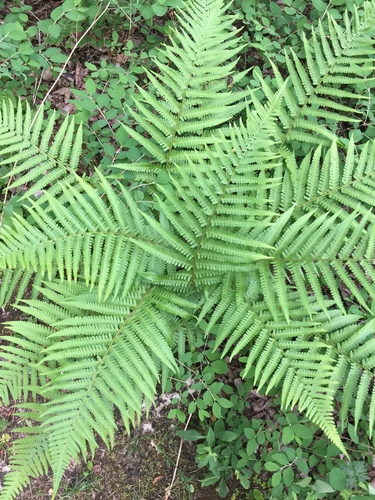
Male fern
Dryopteris filix-mas
A 'well-known and age-old remedy for intestinal parasites' in Europe, used as filicin for tapeworm (taeniasis) in 20th-century medicine; a 1953 Cuban report described substituting a hexylresorcinol mixture for it. No modern trials; its toxicity makes it obsolete.

Mandravasarotra
Cinnamosma fragrans
Bark used for intestinal parasites in south-eastern Madagascar; untested.
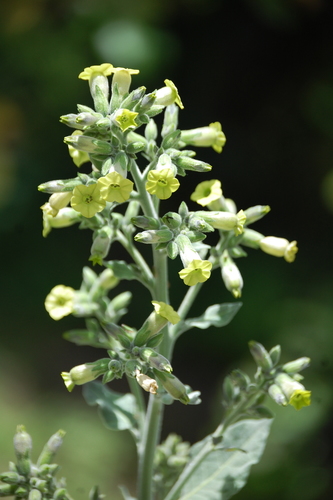
Mapacho
Nicotiana rustica
Amazonian purging preparations and enemas are used for intestinal parasites and tobacco ointment for skin parasites; Cherokee healers used it as an anthelmintic.
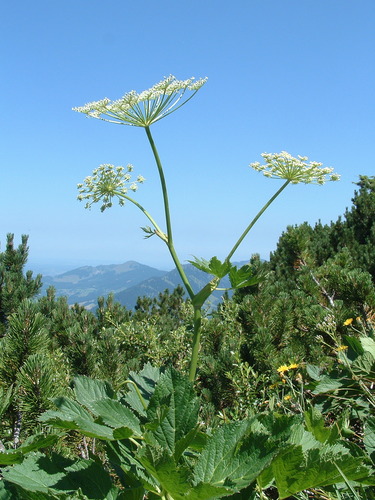
Masterwort
Peucedanum ostruthium
In 1806 Swedish peasants were recorded giving small children rhizome powder twice a day to prevent intestinal worms; in the lab ostruthin with isoimperatorin was active against a model nematode.
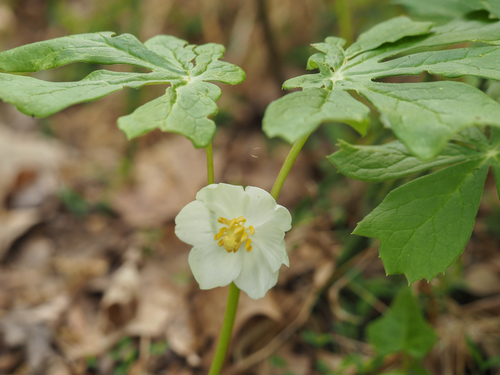
Mayapple
Podophyllum peltatum
The Cherokee used the root as an anthelmintic; Hartwell (1951) noted Podophyllum had long been used as an anthelmintic and cathartic.
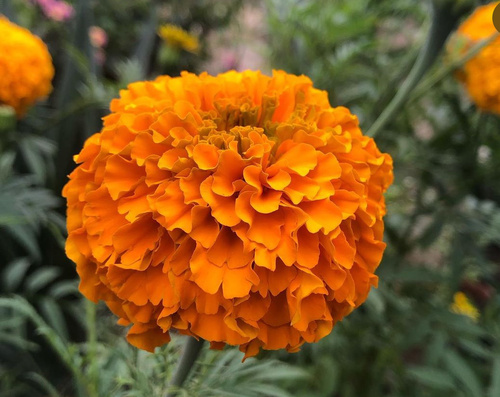
Mexican marigold
Tagetes erecta
Used against intestinal parasites in Mexico and as a vermifuge in Yucatán; Brunfels recorded the seeds for expelling worms. Antiparasitic activity has been reported only in laboratory studies.

Moringa (Drumstick tree)
Moringa oleifera
A 2022 systematic review records its use in South Asian and African folk medicine for helminth infections, paralysis, sores and skin infections, with little clinical data.
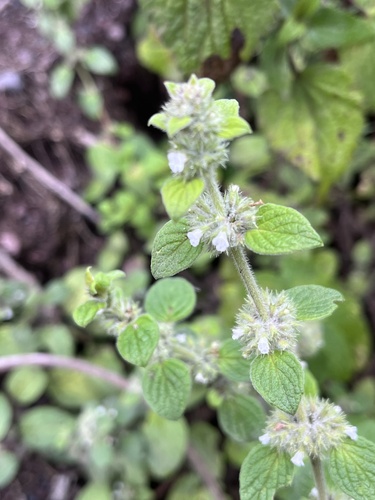
Muña
Minthostachys mollis
Peruvian folk medicine uses it for intestinal parasites. No supporting studies were found.
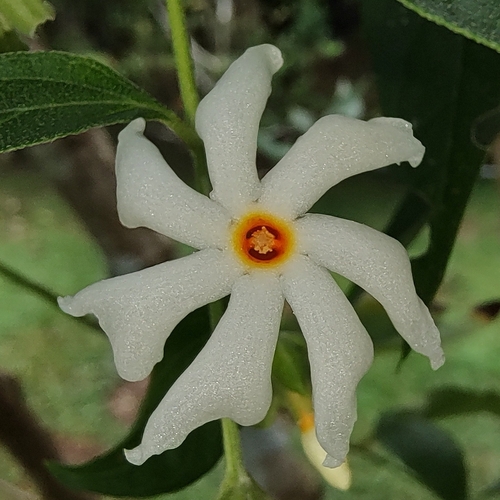
Night jasmine
Nyctanthes arbor-tristis
Leaf juice is a traditional remedy for intestinal worms, given with a little sugar to children; anthelmintic use is one of its most popular folk uses. Not clinically tested.
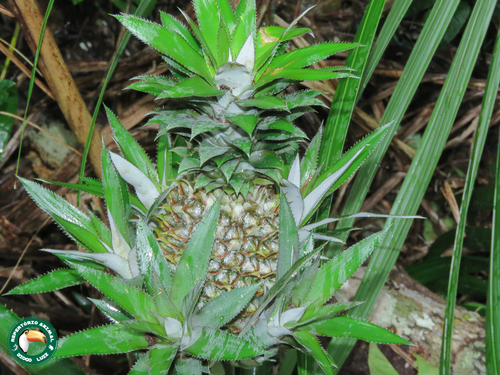
Pineapple
Ananas comosus
Folk records describe juice of young fruit as a vermifuge and high doses of leaf juice as a purgative; neither has been tested clinically.
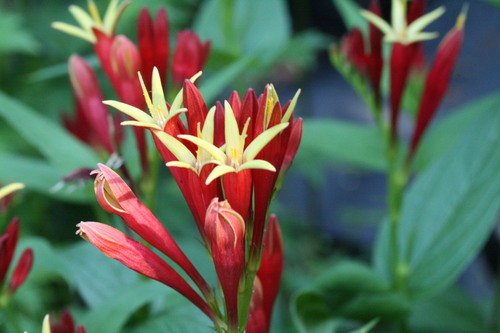
Pinkroot
Spigelia marilandica
Cherokee decoctions and infusions of the root were taken for worms, and Cherokee and Creek used it as a general vermifuge. Benjamin Smith Barton (1802) reported it often effective against worms in his practice. It has never been tested in controlled studies.
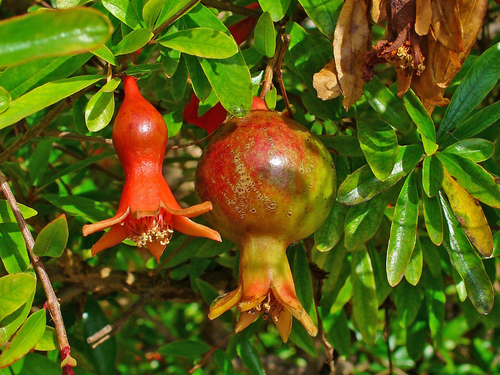
Pomegranate
Punica granatum
Decoctions of the stem and root bark were a standard 19th-century treatment for tapeworm; WHO notes the alkaloid pelletierine makes the worm relax its grip on the gut wall so a purgative can expel it. The bark is toxic.

Pumpkin
Cucurbita pepo
The seeds were eaten for tapeworms and other worms by the Cherokee and are listed by WHO among traditional uses; the constituent cucurbitine is anthelmintic in animal studies, but there are no modern clinical trials.
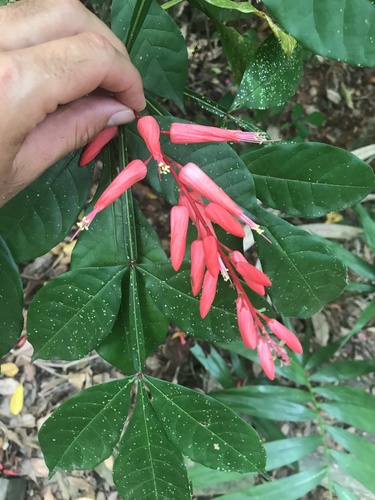
Quassia
Quassia amara
Used as a vermifuge in Creole medicine.
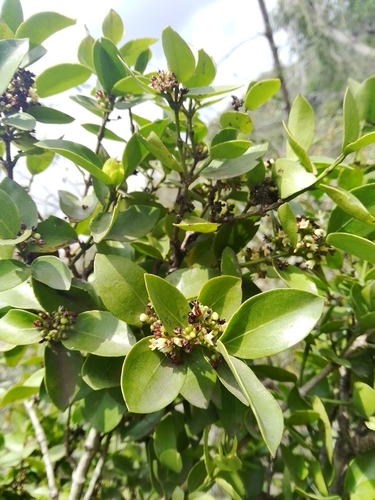
Red bitterberry
Strychnos henningsii
In South African muthi-market practice the bark is used as an anthelmintic and for schistosomiasis.
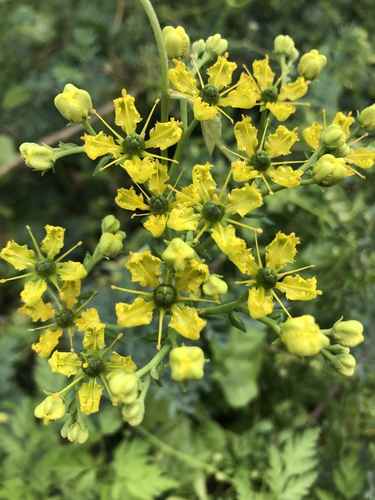
Rue
Ruta graveolens
In Iran it is called a 'cure-all', used among other things as an anti-parasitic.
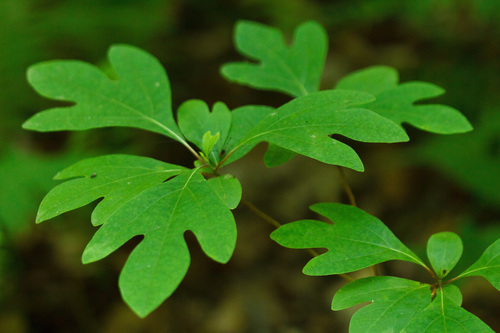
Sassafras
Sassafras albidum
Cherokee gave a bark infusion to children with worms; Iroquois used a compound infusion with whisky for tapeworm.
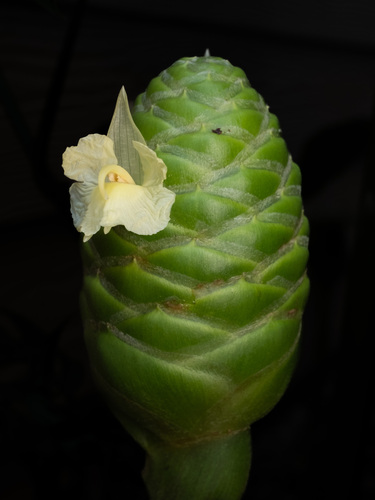
Shampoo ginger
Zingiber zerumbet
In Malay folk medicine the juice of the boiled rhizome is given to children with worms; no studies in people were found.
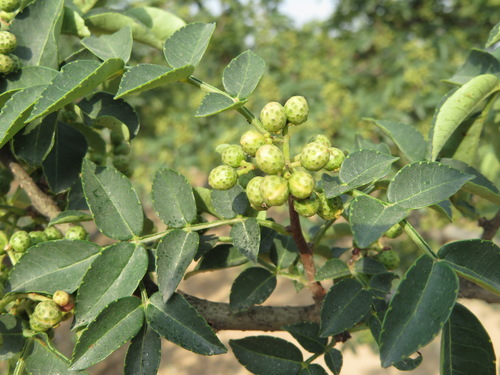
Sichuan pepper
Zanthoxylum bungeanum
A key Chinese herb for expelling roundworms (Ascaris), most famously in Wumei Pill from the Shang Han Lun; the Pharmacopoeia lists it for abdominal pain from parasites. Its essential oil paralyses insects in laboratory work; no human trials were found.
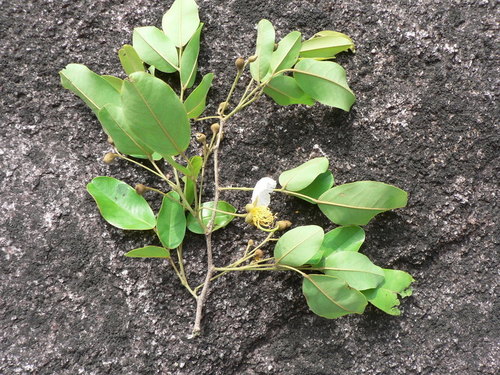
Snake bean
Bobgunnia madagascariensis
Used against schistosomiasis (bilharzia) in Lubumbashi.
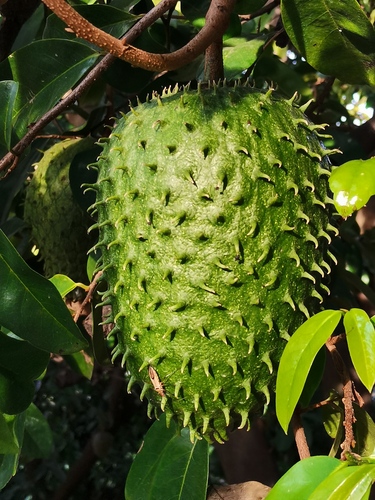
Soursop
Annona muricata
Crushed seeds are used against internal and external worms and parasites, and the fruit against worms and parasites.
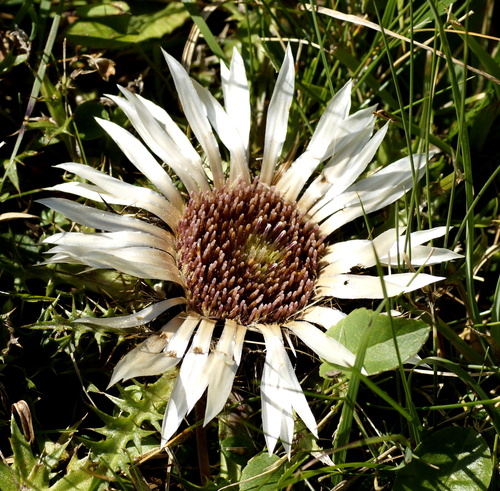
Stemless carline thistle
Carlina acaulis
A historical anthelmintic use of the root, also recorded for worm infections in Bosnia.

Stool wood
Alstonia boonei
The cold bark infusion is given to children to expel roundworms and threadworms.
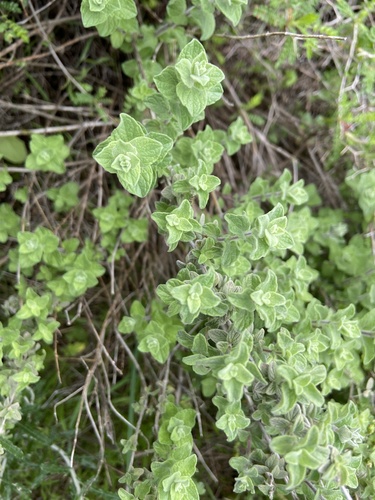
Syrian oregano
Origanum syriacum
Ibn Sina credited it with a strong anthelmintic effect, and al-Antaki listed it as an anthelmintic; no modern human data.
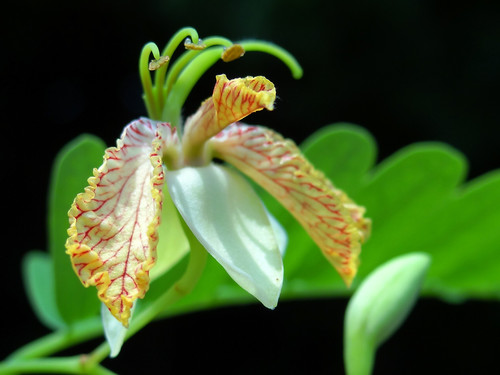
Tamarind
Tamarindus indica
Softened seeds are used against intestinal worms in Ethiopia. Proven anthelmintic medicines should be used instead.
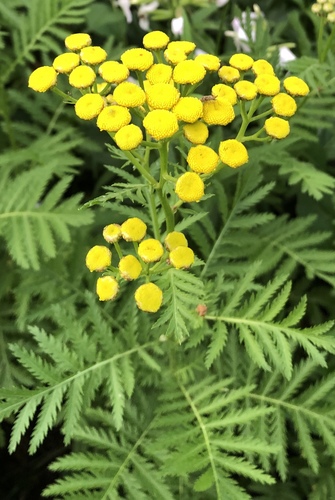
Tansy
Tanacetum vulgare
Its best-known traditional use, recorded from Syria, Brazil, Lithuania and the Cherokee (given to children for worms). Extracts and the essential oil killed sheep nematode larvae and Schistosoma mansoni worms in the laboratory; there are no human studies, and the thujone content makes self-treatment hazardous.

Teak
Tectona grandis
Leaves are reputed to be vermifuge and are used for schistosomiasis; proven anthelmintic medicines are the treatment.
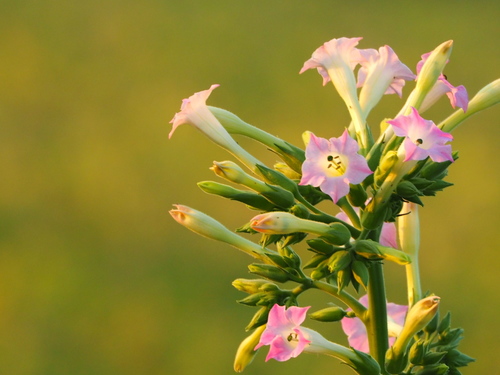
Tobacco
Nicotiana tabacum
Recorded as a Cherokee anthelmintic; a Peruvian Amazonian tobacco healer listed intestinal and skin parasites among his main indications.
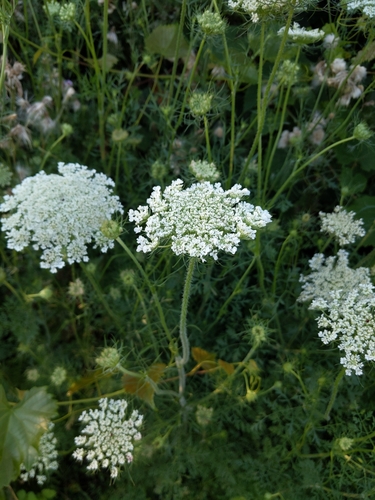
Wild carrot
Daucus carota
The aromatic seeds were used as a vermifuge in Lebanon, and the plant is recorded as anthelmintic.
