Nausea and vomiting
24 remedies
See a doctor if
Vomiting for more than a day (sooner in children), blood in vomit, or signs of dehydration.
Reference, not prescription. Nothing here is medical advice. Herbs can interact with medicines and be dangerous in pregnancy; tell your doctor or pharmacist about anything you take.
Strong evidence
StrongAn approved medicine, or consistent good-quality trials and reviews.
Corkwood
Duboisia myoporoides
Transdermal scopolamine is also used to prevent post-operative nausea and vomiting. Purified drug only.
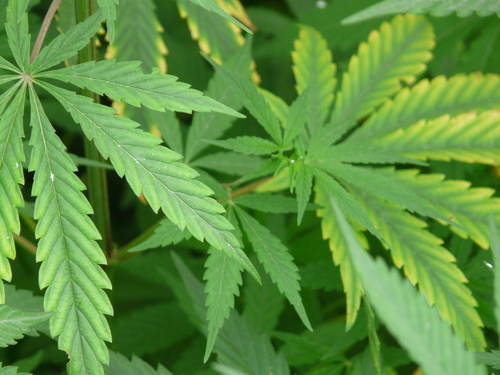
Hemp (Cannabis)
Cannabis sativa
Dronabinol and nabilone (synthetic THC-type drugs) are FDA-approved for chemotherapy-induced nausea and vomiting. A 2015 Cochrane review found cannabis-based medicines may help refractory chemotherapy nausea, but most trials are old (1980s–90s), low certainty, and side effects (dizziness, drowsiness, 'feeling high') limit use.
Limited evidence
LimitedSmall or few trials, mixed results, or mainly lab and animal work.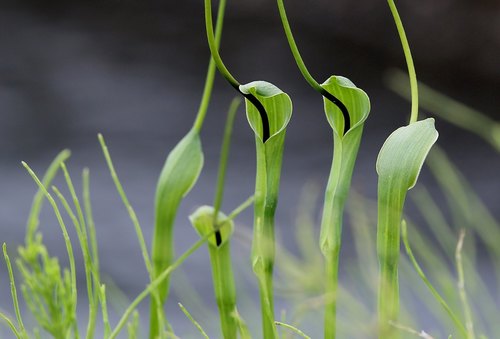
Crow-dipper
Pinellia ternata
A 2024 meta-analysis of 16 Chinese randomised trials (1,246 patients) found that adding Xiao ban xia tang (processed pinellia with fresh ginger) to standard antiemetics improved relief of chemotherapy-induced vomiting (risk ratio 1.35) and nausea (RR 1.23) compared with antiemetics alone. The authors call for larger rigorous trials; the effect of pinellia alone is not tested.

Giant dodder
Cuscuta reflexa
Traditionally used against vomiting and in antiemetic herbal formulas. Juice and extracts given by injection reduced the number of vomiting episodes in pigeons given copper sulphate, ampicillin or cisplatin. Animal data only.

Ginger
Zingiber officinale
For nausea after surgery or with chemotherapy, NCCIH says it is uncertain whether ginger helps or adds anything to standard anti-sickness drugs.
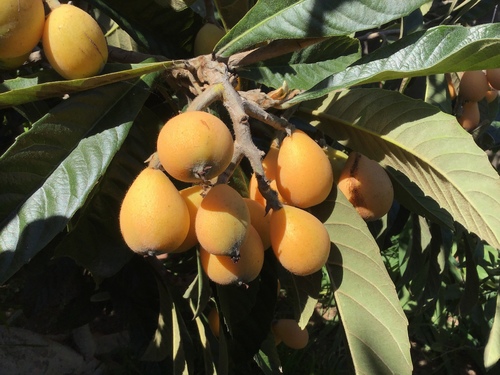
Loquat
Eriobotrya japonica
Active components of loquat leaves reduced cisplatin-induced vomiting in animals by lowering brain serotonin and dopamine.

Patchouli
Pogostemon cablin
In a phase III double-blind RCT (166 patients on 3-day cisplatin chemotherapy), Huoxiang Zhengqi oral liquid added to a 5-HT3 antagonist and dexamethasone gave more nausea-free days and a higher complete-control rate beyond the risk phase (81% vs 61%). The formula contains patchouli herb and oil with nine other ingredients.

Peppermint
Mentha x piperita
Small studies suggest inhaled peppermint oil may ease chemotherapy-related and some post-surgical nausea; one review found it no better than placebo for post-operative nausea.
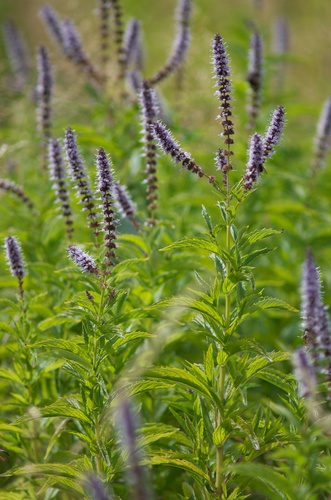
Spearmint
Mentha spicata
In a randomised double-blind trial during chemotherapy (50 courses per group), M. spicata essential oil reduced the intensity and number of vomiting episodes in the first 24 hours compared with control, with no reported side effects.
Traditional use
TraditionalLong recorded use, essentially untested in clinical trials.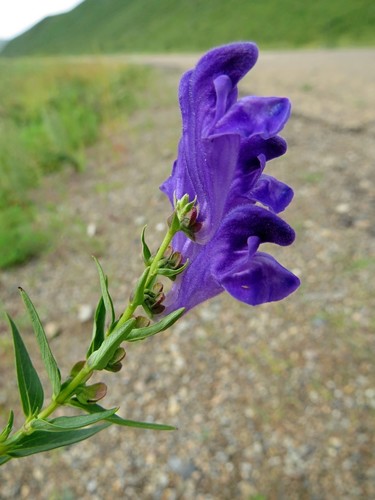
Baikal skullcap
Scutellaria baicalensis
Listed with vomiting among pharmacopoeial uses by WHO; untested in trials.
Bitter leaf
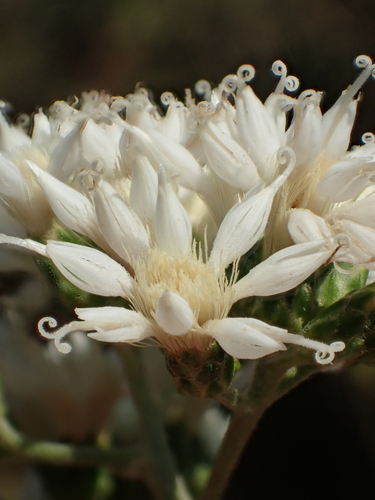
Gymnanthemum amygdalinum
Aqueous extracts are recommended by herbalists for vomiting, nausea and loss of appetite; in eastern Nigeria the water left from washing the leaves is taken for stomach ache.

Black cardamom
Amomum subulatum
Fruit or seeds are used for nausea and vomiting.
Bogbean
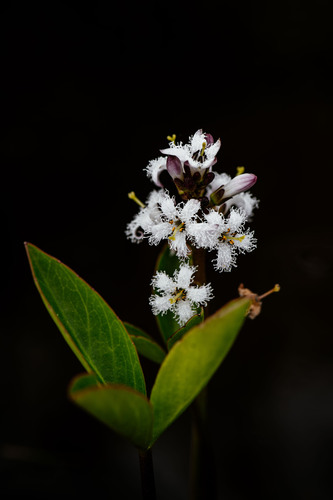
Menyanthes trifoliata
Southern Kwakiutl people drank a decoction of roots or leaves when sick to the stomach.

Cascarilla
Croton eluteria
Used 'to arrest vomiting'; King's says adding cascarilla to cinchona prevented the nausea cinchona could cause.
Evodia
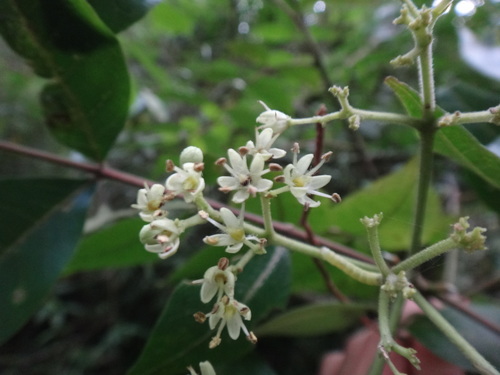
Tetradium ruticarpum
In Chinese medicine evodia is said to 'suppress adverse qi to relieve vomiting'; Wuzhuyu Tang, from the Han-dynasty Treatise on Febrile Diseases, is the classic formula for vomiting.
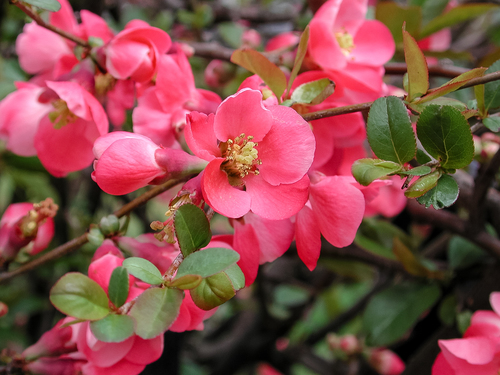
Flowering quince
Chaenomeles speciosa
Vomiting is part of the same traditional summer-damp indication. A network-pharmacology analysis mapped the fruit's traditional uses to emesis, diarrhoea, oedema and rheumatoid arthritis.
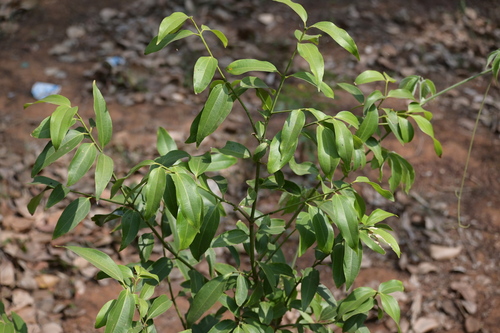
Indian bay leaf
Cinnamomum tamala
Recorded among the leaf's traditional uses in Indian medicine; no clinical evidence.

Kola nut
Cola nitida
Used in African folk medicine as an antiemetic, and in Nigeria commonly for vomiting in pregnancy, although EMA does not recommend it in pregnancy.
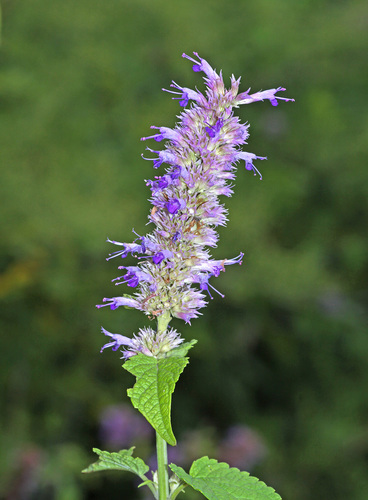
Korean mint
Agastache rugosa
Used traditionally against vomiting and emesis and, in Chinese medicine, to 'dispel dampness'. No clinical trials of the herb alone were found.
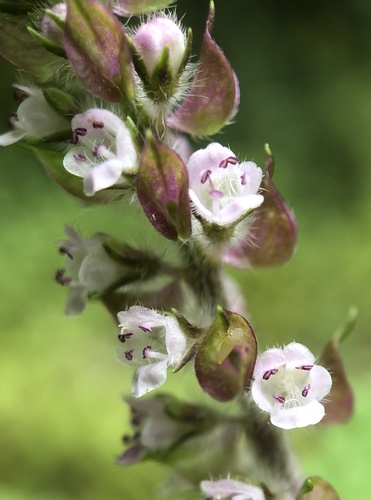
Perilla
Perilla frutescens
Used to 'move qi and harmonise the middle' for vomiting, bloating and abdominal pain.
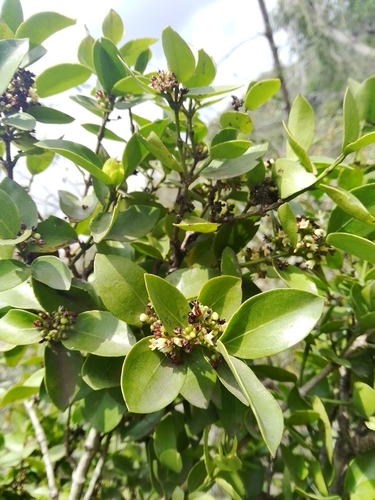
Red bitterberry
Strychnos henningsii
Powdered bark taken with cold water for nausea, and bark chewed for stomach complaints, are recorded South African uses.
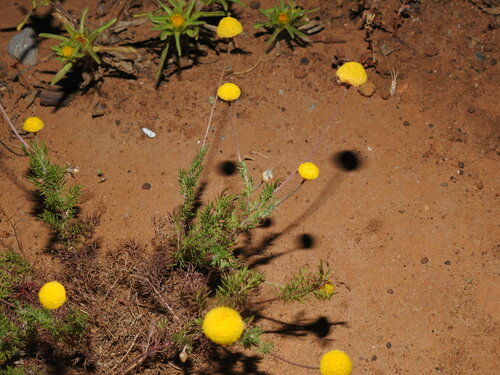
Roman chamomile
Chamaemelum nobile
The British Herbal Compendium lists nausea and vomiting of pregnancy among its internal uses, but EMA does not recommend use in pregnancy because safety is not established.
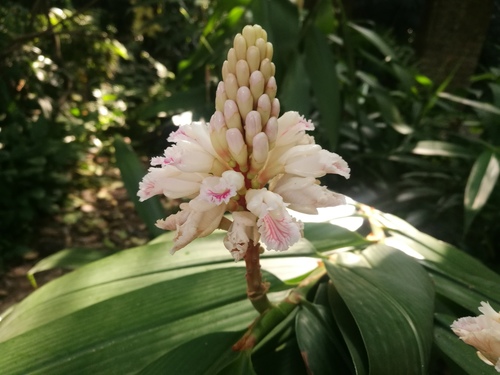
Sharp-leaf galangal
Alpinia oxyphylla
Classical texts record it for vomiting and retching with abdominal cold pain; no clinical data.
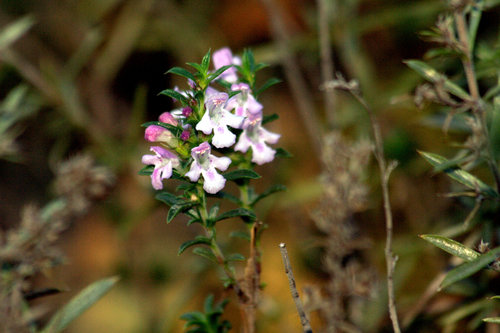
Winter savory
Satureja montana
The same tea is taken against vomiting and nausea; untested.