Wind, bloating and colic
42 remedies
See a doctor if
Severe or constant abdominal pain, or a swollen, hard abdomen.
Reference, not prescription. Nothing here is medical advice. Herbs can interact with medicines and be dangerous in pregnancy; tell your doctor or pharmacist about anything you take.
Moderate evidence
ModerateSeveral trials, mostly positive, or an EMA ‘well-established use’ monograph.
Limited evidence
LimitedSmall or few trials, mixed results, or mainly lab and animal work.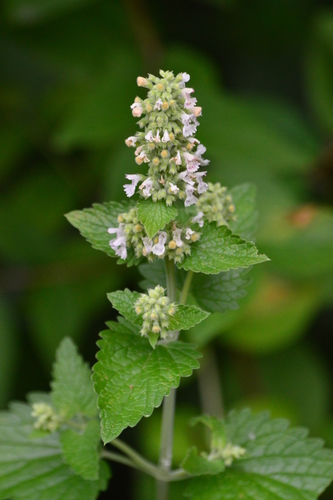
Catnip
Nepeta cataria
Used as a carminative and antispasmodic for the flatulent colic of children (King's) and by the Cherokee for colic. Its essential oil relaxed isolated rabbit gut muscle, apparently by blocking calcium channels, which the authors suggest may explain its traditional use in colic and diarrhoea.
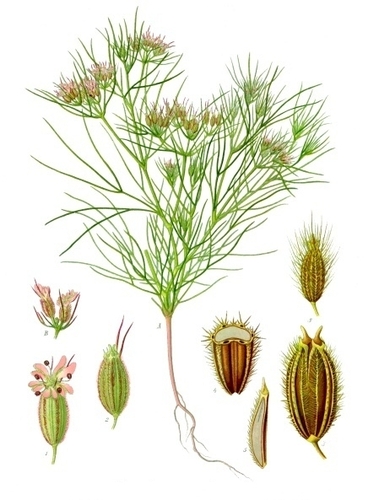
Cumin
Cuminum cyminum
In a triple-blind RCT of 74 patients after abdominal surgery, two 250 mg capsules of cumin extract shortened time to first passing gas (9.0 vs 11.7 h) and defecation (17 vs 26 h) and reduced bloating, pain and nausea compared with placebo.
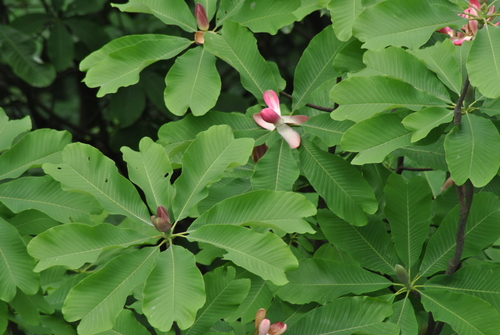
Houpo magnolia
Magnolia officinalis
The Chinese Pharmacopoeia lists it for digestive disorders including constipation, dyspepsia, gastritis, nausea and vomiting (WHO). In a small Japanese study, two weeks of hangekobokuto (a formula containing magnolia bark) reduced bowel gas and bloating in people with functional dyspepsia. No trials of the bark alone exist.

Kiwifruit
Actinidia chinensis var. deliciosa
A small US comparative trial found kiwifruit, prunes and psyllium all eased constipation; only the kiwifruit group reported less bloating, and it had the fewest side effects.
Traditional use
TraditionalLong recorded use, essentially untested in clinical trials.
Ajwain
Trachyspermum ammi
Classed as carminative; the seeds were recorded as effective against flatulence, atonic dyspepsia and diarrhoea (Bentley and Trimen), and in Iranian traditional medicine the aromatic water is used for gastrointestinal disorders. No modern trials of ajwain alone for digestion were found.
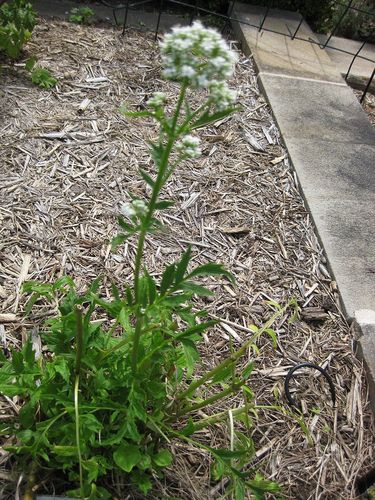
Anise
Pimpinella anisum
Part of the same EMA traditional-use indication (bloating and flatulence), based on long use, not trials.

Artichoke
Cynara cardunculus
Part of the EMA traditional-use indication (sensation of fullness, bloating and flatulence).

Asafoetida
Ferula assa-foetida
Used as a digestive aid and for flatulent colic in Indian medicine and older Western herbalism. The infant colic use is dangerous (see safety).
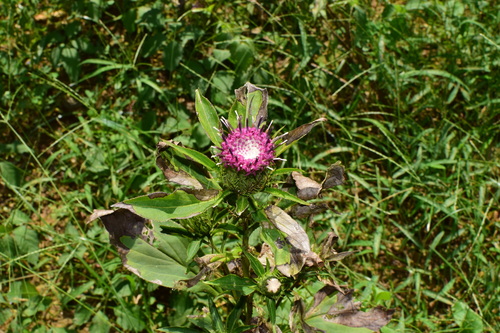
Bai zhu
Atractylodes macrocephala
Abdominal distension is among its traditional gastrointestinal indications; lab studies suggest effects on gut motility and microbiota.
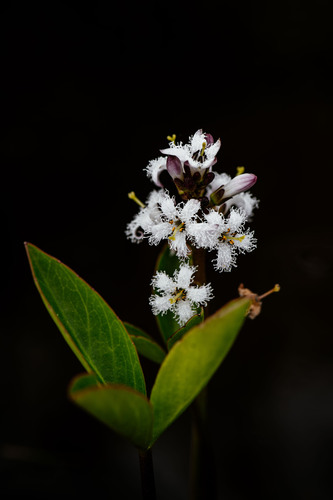
Bogbean
Menyanthes trifoliata
EMA traditional use for mild digestive disorders such as bloating and flatulence.
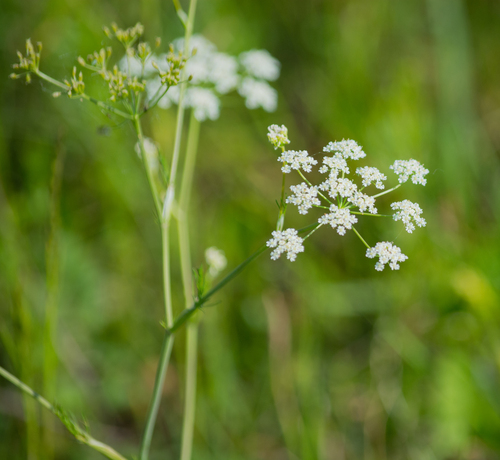
Caraway
Carum carvi
EU monographs (2015) on caraway fruit and caraway oil register them as traditional herbal medicines for the symptomatic relief of digestive disorders such as bloating and flatulence, based on long-standing use. The EMA assessment found no clinical trials of adequate quality for caraway alone. In small volunteer studies summarised by EMA, 50 mg caraway oil reduced stomach and duodenal contraction amplitudes, a possible basis for its antispasmodic use.

Cascarilla
Croton eluteria
Listed for flatulency in King's American Dispensatory (1898).
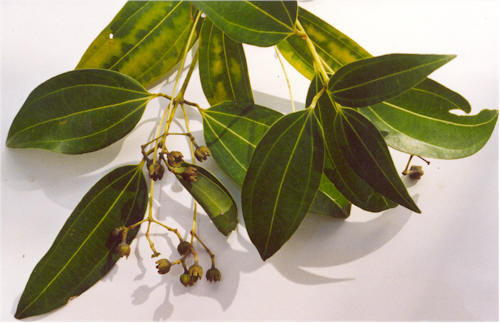
Ceylon cinnamon
Cinnamomum verum
EMA traditional-use indication: mild spasmodic gastrointestinal complaints including bloating and flatulence.
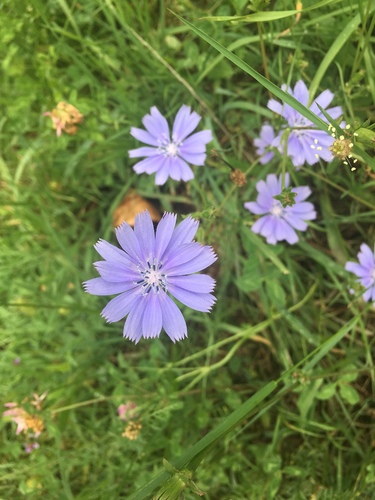
Chicory
Cichorium intybus
Flatulence is named within the EMA traditional indication; French tradition lists root tea for flatulence, belching and epigastric distension.
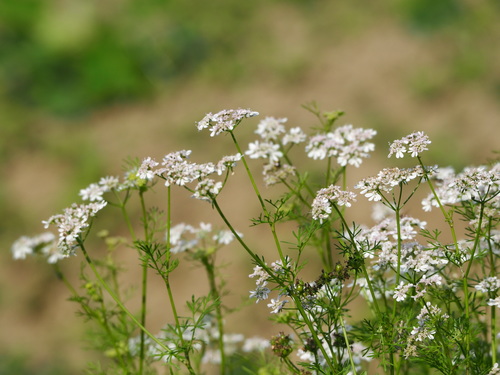
Coriander
Coriandrum sativum
Used as a carminative for flatulence in Iranian traditional medicine, India and Morocco; no trials of coriander alone.

Costus
Dolomiaea costus
Four costus-based formulas in the Chinese Pharmacopoeia (2020), such as Muxiang Shunqi Wan and Muxiang Binglang Wan, are used for 'gastrointestinal stagnation', abdominal distension and pain. Supporting work is in animals and isolated tissue; no good trials of the root alone were found.
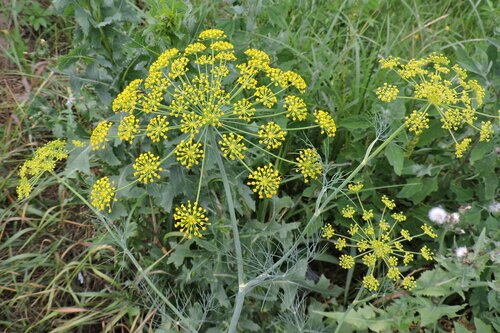
Dill
Anethum graveolens
Flatulence is part of the same WHO pharmacopoeial indication; the essential oil showed carminative and anti-foaming activity in the laboratory only.

Fingerroot
Boesenbergia rotunda
Recorded as a carminative used for flatulence, and in Chinese use for abdominal distension; no trials.
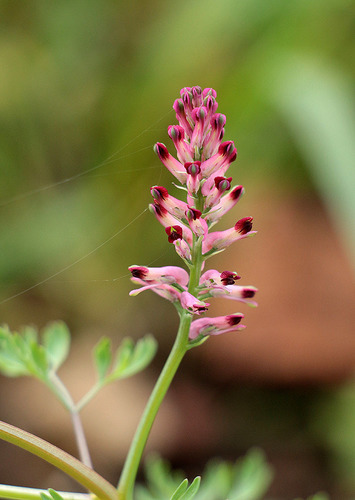
Fumitory
Fumaria officinalis
Flatulence and fullness are part of the same EMA traditional-use indication.

German chamomile
Matricaria chamomilla
Part of the same EMA traditional-use indication; mixed-herb products containing chamomile have been tested for infant colic, but chamomile alone has not been shown to help.

Ginger
Zingiber officinale
EMA traditional use for mild, spasmodic gastrointestinal complaints including bloating and flatulence.
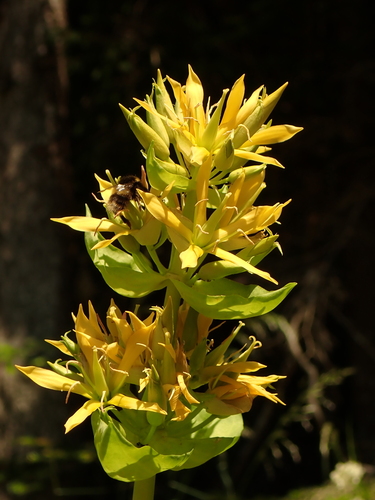
Great yellow gentian
Gentiana lutea
WHO lists feelings of distension and flatulence among the digestive complaints described in pharmacopoeias.
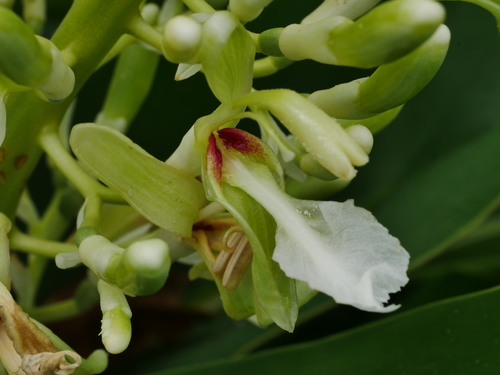
Greater galangal
Alpinia galanga
In a review of 76 Thai ethnobotanical studies, galangal had 60 medicinal use reports, chiefly for digestive disorders such as flatulence.
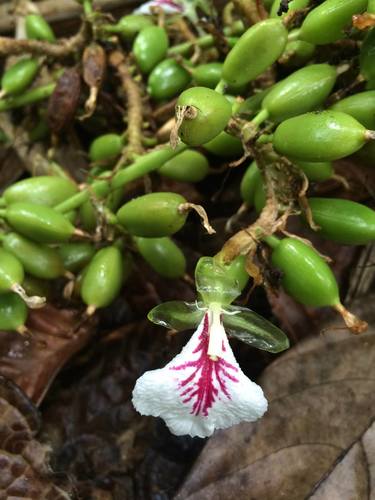
Green cardamom
Elettaria cardamomum
The Commission E indication singles out flatulence; no controlled trials of cardamom alone were found.

Javanese turmeric
Curcuma zanthorrhiza
Flatulence is part of the same EMA traditional-use indication.
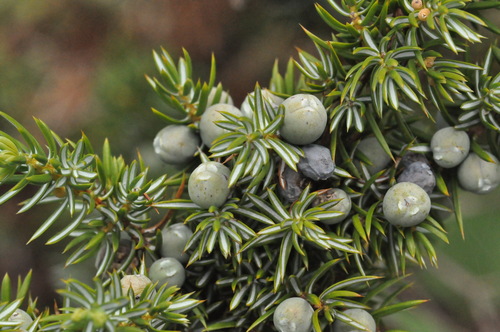
Juniper
Juniperus communis
Flatulence is part of the EMA traditional-use indication for both the berry and the oil.
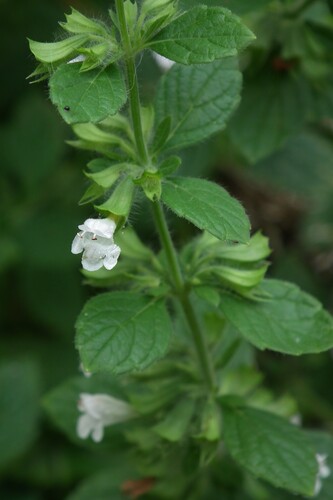
Lemon balm
Melissa officinalis
EU traditional use for mild gastrointestinal complaints including bloating and flatulence; Commission E and the British Herbal Pharmacopoeia also recorded it as a carminative.

Lemon verbena
Aloysia citrodora
EMA traditional use for mild gastrointestinal complaints including bloating and flatulence, based on long use.
Mandarin orange
Citrus reticulata
A core 'qi-regulating' herb for abdominal fullness; its synephrine relaxes smooth muscle and increases intestinal movement in laboratory work.
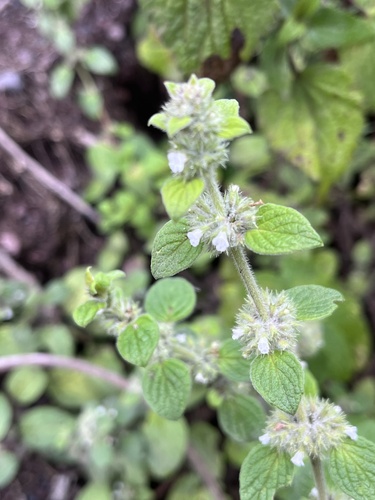
Muña
Minthostachys mollis
Taken as an infusion for flatulence and colic in Andean medicine; Ecuador's pharmacopoeia lists it as carminative and antispasmodic. Untested in people.

North American beaver
Castor canadensis
Pliny listed castoreum for stomach problems and flatulence.
Radish
Raphanus sativus
Lai fu zi is used in Chinese medicine for 'eliminating bloating' and abdominal distension; untested on its own in trials.
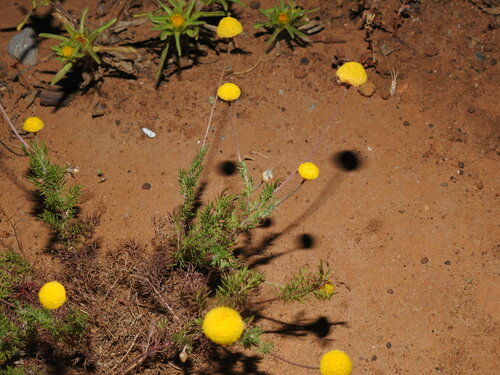
Roman chamomile
Chamaemelum nobile
EMA traditional use for symptomatic treatment of mild, spasmodic gastrointestinal complaints including bloating and flatulence, based solely on long-standing use. EMA found clinical efficacy undocumented.
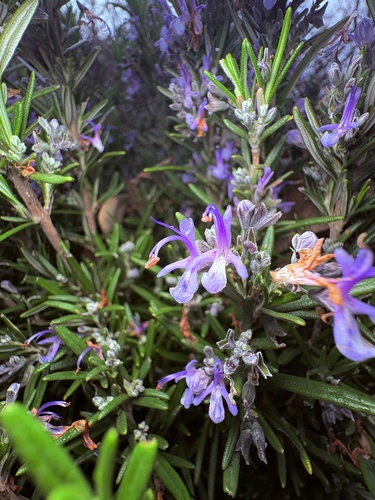
Rosemary
Salvia rosmarinus
Part of the same EMA traditional-use indication for mild gastrointestinal spasms.
Sandy everlasting
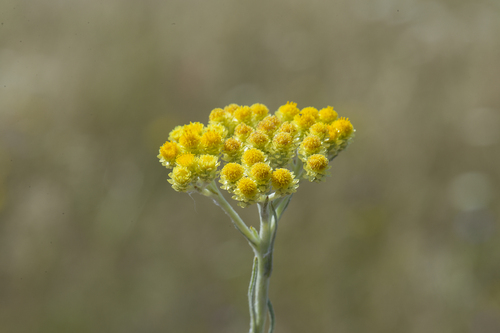
Helichrysum arenarium
The EMA monograph (2016) accepts traditional use as a tea 'in digestive disorders with a feeling of fullness and bloating', based only on long-standing use. The assessors found no clinical studies of the flowers.

Sha ren
Wurfbainia villosa
Chinese medicine uses it to 'eliminate dampness, appetise the stomach and warm the spleen', including for bloating and abdominal distension. No trials of the fruit alone were found.
Star anise
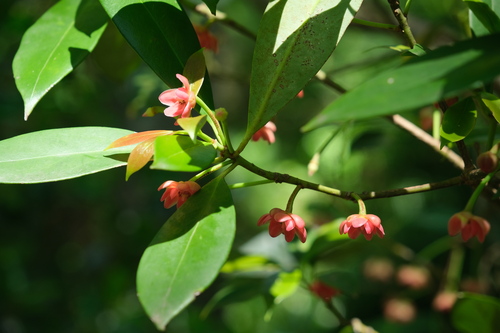
Illicium verum
Chinese medicine uses it to 'warm yang, disperse cold, regulate qi and relieve pain', in classical and pharmacopoeial formulas for cold-type abdominal pain, lower-abdominal pain and hernia. There are no clinical trials of star anise alone.
Star anise
Illicium verum
Star anise tea is a popular home remedy for infant colic in many communities, but it has caused neurological and gastrointestinal poisoning in babies, partly through contamination with Japanese star anise; paediatric toxicologists advise that it should no longer be given to infants.
Sweet basil
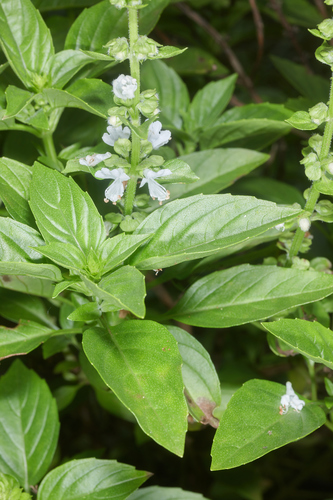
Ocimum basilicum
Avicenna, Rhazes and the 18th-century Persian author Salehi Heravi mention basil for bloating and haemorrhoids; healers in southern Thailand use it for flatulence. Not tested in trials.

White horehound
Marrubium vulgare
Part of the same EMA traditional-use indication: symptomatic treatment of bloating and flatulence.
Winter savory
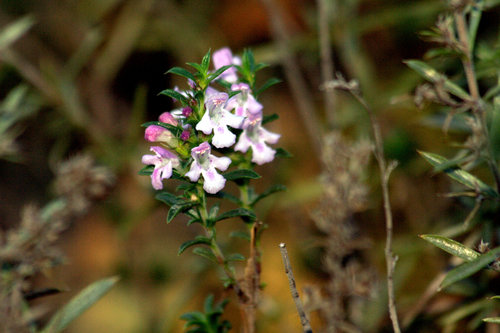
Satureja montana
Trentino herb tea against bloating; the surveying authors found nothing in the literature to explain this use.