Heartburn and reflux
9 remedies
See a doctor if
Difficulty swallowing, weight loss, or chest pain (which may be the heart).
Reference, not prescription. Nothing here is medical advice. Herbs can interact with medicines and be dangerous in pregnancy; tell your doctor or pharmacist about anything you take.
Limited evidence
LimitedSmall or few trials, mixed results, or mainly lab and animal work.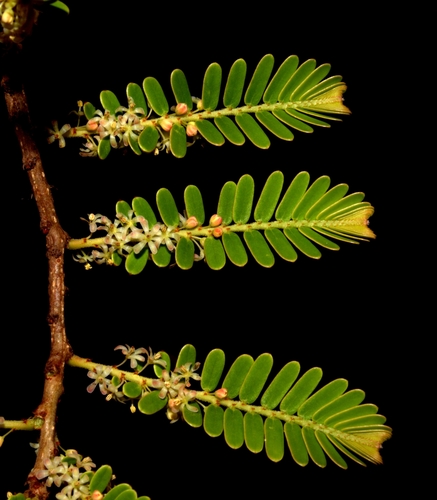
Amla (Indian gooseberry)
Phyllanthus emblica
A 4-week Iranian randomised, placebo-controlled trial in non-erosive reflux disease found that amla tablets reduced the frequency and severity of heartburn and regurgitation more than placebo.
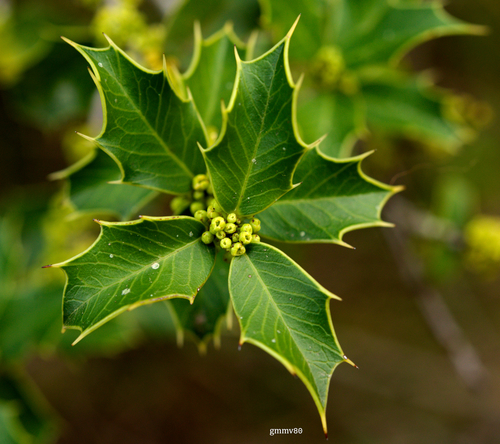
Espinheira-santa
Monteverdia ilicifolia
In a double-blind, double-dummy non-inferiority trial, 86 people with reflux symptoms took omeprazole 20 mg or a standardised leaf dry extract (400 or 860 mg) for 4 weeks. Symptom and heartburn quality-of-life scores fell in all groups with no difference between them; only 65 completed, and the authors call the results preliminary.
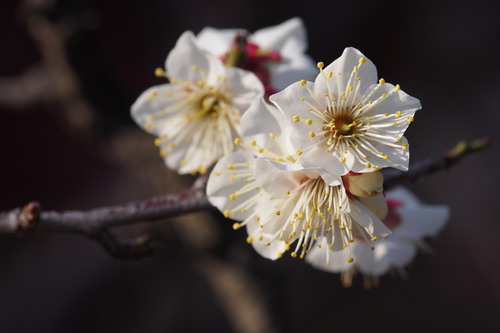
Japanese apricot
Prunus mume
In a community cohort of 1303 people, those eating ume daily had lower reflux-symptom scores than occasional or non-consumers; observational only.
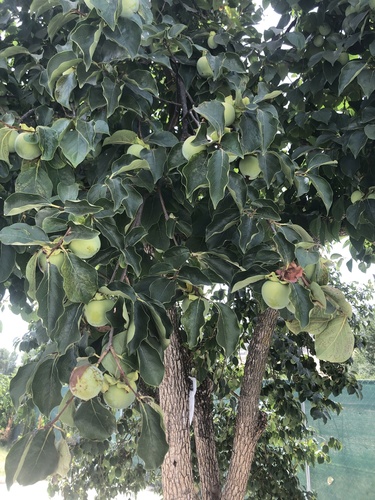
Japanese persimmon
Diospyros kaki
Used for hiccups (and the belching and reflux that Chinese medicine groups with them as 'rebellious stomach qi'). A retrospective study of 27 Japanese hospital patients given the Kampo calyx decoction shiteito found hiccups fully or partly stopped in 66.7%, usually within two days; there was no control group.
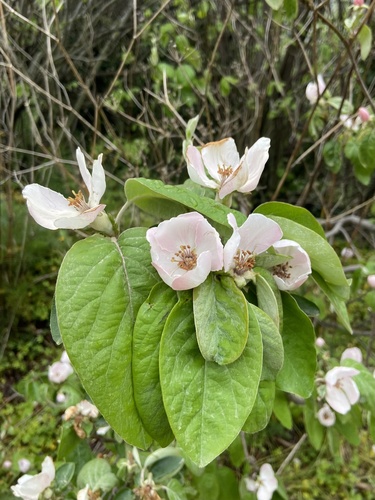
Quince
Cydonia oblonga
In an open-label trial of 137 pregnant women with reflux, 4 weeks of quince 'sauce' (concentrated fruit extract) worked about as well as ranitidine. In children with reflux, adding quince syrup to ranitidine lowered symptom scores more than ranitidine alone. Both trials were small and from Iran.
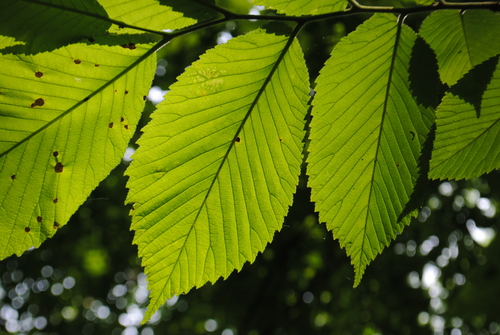
Slippery elm
Ulmus rubra
Slippery elm has only been tested inside mixtures. In one uncontrolled study, 43 adults took a powder of curcumin, aloe vera, slippery elm, guar gum, pectin, peppermint oil and glutamine for 12 weeks, and their indigestion, heartburn and reflux improved. A 2022 review notes that trials of slippery elm alone are lacking.
Traditional use
TraditionalLong recorded use, essentially untested in clinical trials.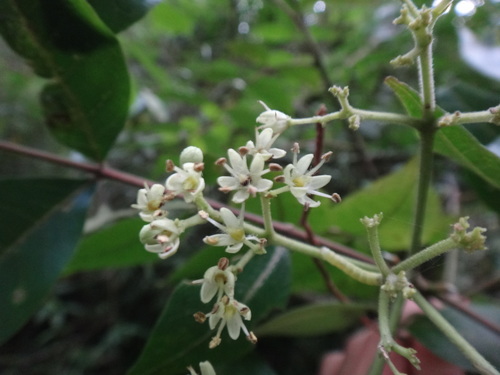
Evodia
Tetradium ruticarpum
The Compendium of Materia Medica and the Chinese Pharmacopoeia list acid regurgitation among its indications; it is paired with coptis in Zuojin Wan for this purpose.
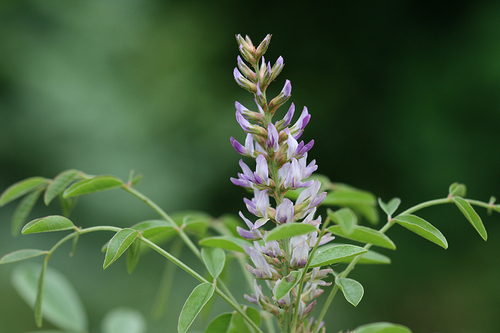
Liquorice
Glycyrrhiza glabra
Covered by the same EU traditional indication ('burning sensation'). Deglycyrrhizinated liquorice (DGL) is sold for heartburn, but good trials are lacking.
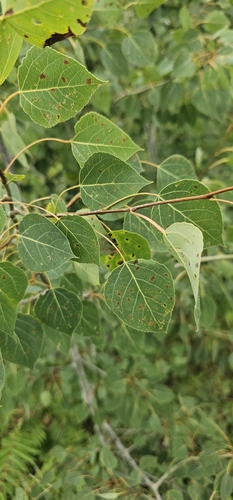
Quaking aspen
Populus tremuloides
Recorded Native American uses include heartburn and stomach pain.