Irritable bowel
15 remedies
See a doctor if
Weight loss, bleeding, or symptoms starting after 50.
Reference, not prescription. Nothing here is medical advice. Herbs can interact with medicines and be dangerous in pregnancy; tell your doctor or pharmacist about anything you take.
Moderate evidence
ModerateSeveral trials, mostly positive, or an EMA ‘well-established use’ monograph.
Peppermint
Mentha x piperita
A 2019 meta-analysis of 12 randomised trials (835 patients) found enteric-coated peppermint oil better than placebo for global IBS symptoms (number needed to treat about 3) and abdominal pain (about 4). A 2021 American College of Gastroenterology guideline recommends it; EMA grants well-established use.
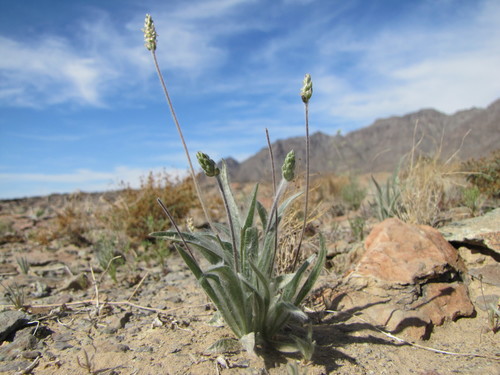
Psyllium (Blond plantain)
Plantago ovata
A 2014 meta-analysis of 14 trials (906 patients) found soluble fibre helped IBS (about 1 in 7 treated benefited) while bran did not. EMA lists it as an adjuvant in constipation-predominant IBS.
Limited evidence
LimitedSmall or few trials, mixed results, or mainly lab and animal work.
Artichoke
Cynara cardunculus
Evidence comes from post-marketing surveillance: in a subgroup of 279 people with irritable bowel symptoms taking the extract for 6 weeks, symptoms fell significantly. There was no placebo comparison.

Asafoetida
Ferula assa-foetida
A 2020 meta-analysis of double-blind trials of Western herbal medicines found asafoetida reduced global IBS symptoms and was one of the few herbs with a replicated positive result. A 2019 Cochrane review counted two IBS-with-constipation trials of homeopathic asafoetida and rated that evidence very low certainty.
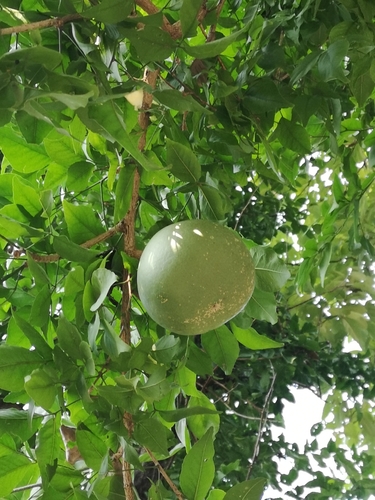
Bael
Aegle marmelos
In a 1989 Indian double-blind trial in 169 people with irritable bowel syndrome, an Ayurvedic preparation of bael plus Bacopa monnieri helped 64.9% over 6 weeks against 32.7% on placebo (standard drugs 78.3%); it worked best in diarrhoea-predominant IBS but did not prevent relapse over 6 months. Bael alone was not tested.
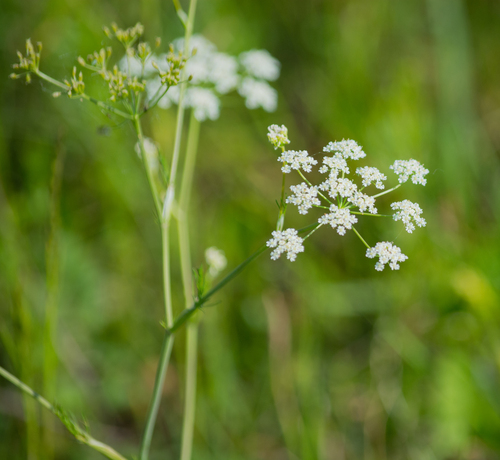
Caraway
Carum carvi
The same 2023 review describes favourable but less rigorous results for the peppermint–caraway oil combination in irritable bowel syndrome, and an uncontrolled 2026 single-arm study in 126 patients with abdominal pain or bloating reported symptom improvement over 8 weeks.
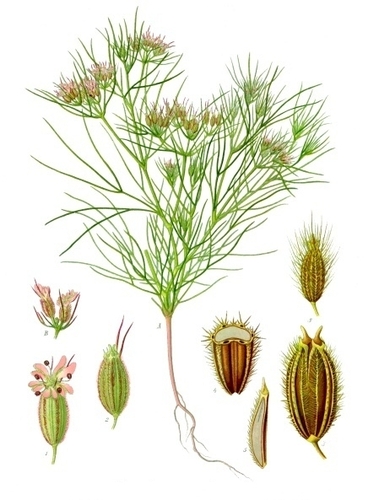
Cumin
Cuminum cyminum
An uncontrolled Iranian case series (about 57 patients, 50 analysed) found less pain, bloating and urgency with 20 drops a day of a 2% cumin-oil drop for 4 weeks; without a placebo group the effect cannot be separated from natural improvement. Five patients stopped because of severe nausea, pain or no benefit.

Kiwifruit
Actinidia chinensis var. deliciosa
In the same RCT, people with constipation-predominant irritable bowel syndrome gained about 1.7 complete bowel movements per week and reported better abdominal comfort.

Patchouli
Pogostemon cablin
In a 14-hospital double-blind RCT (212 adults with diarrhoea-predominant IBS), 20 ml Huoxiang Zhengqi oral liquid twice daily for 4 weeks raised the adequate-relief rate by 29 percentage points over placebo, with a small reduction in symptom severity; no serious adverse events.

Sangre de grado
Croton lechleri
In a 12-week trial in 240 women with diarrhoea-predominant IBS, crofelemer did not beat placebo on the primary pain endpoint; only a post-hoc analysis favoured it.

Wild thyme
Thymus serpyllum
In a randomised trial in 40 overweight adults with functional gut disorders, 600 mg of an aqueous extract before breakfast for eight weeks improved gastrointestinal symptoms and stool frequency; anti-inflammatory and pain-relieving effects were also seen in a rat model of IBS. A single small trial.
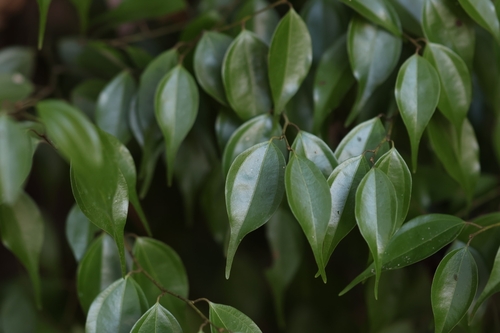
Wu yao
Lindera aggregata
A water extract (5.4 g/kg) reduced diarrhoea and visceral sensitivity in a rat model of diarrhoea-predominant IBS.
Traditional use
TraditionalLong recorded use, essentially untested in clinical trials.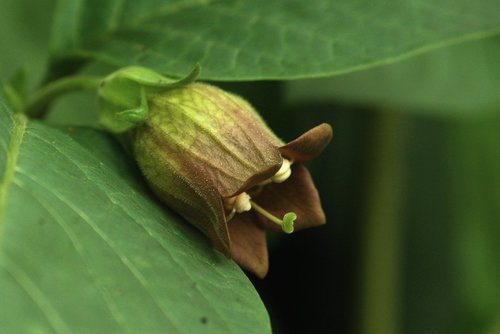
Evidence against
AgainstGood trials found no benefit.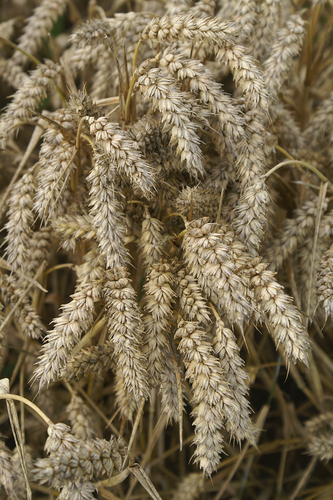
Bread wheat
Triticum aestivum
In a BMJ meta-analysis, five trials of bran (221 patients) showed no benefit for irritable bowel syndrome (54% had persistent symptoms with bran and with control); the fibre benefit was confined to ispaghula (psyllium).
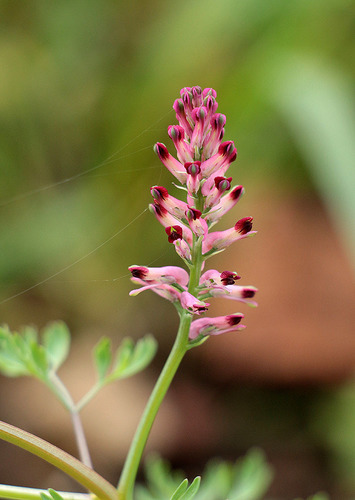
Fumitory
Fumaria officinalis
In a randomised, double-blind, placebo-controlled trial in 106 people with irritable bowel syndrome (Brinkhaus 2005), 1500 mg powdered fumitory daily for 18 weeks did no better than placebo for pain or bloating.